House Hunting? Start With the Payment, Not the Price Tag

Most buyers start house hunting the same way: they pick a price point, scroll listings, and hope the monthly payment magically works out.
And in today’s market? That’s like walking into Target without a list. You’ll leave with things you didn’t need, a mild headache, and a cart total that feels personal.
Here’s the truth: price is not your budget. Your monthly payment is.
If you want a home you can enjoy (instead of one that quietly stresses you out every month), you need a different approach.
Welcome to the Payment-First Home Search—the simplest way to shop smarter, waste less time, and avoid falling in love with a house that doesn’t fit your real life.
Two homes can be the same price and have wildly different payments.
Because your monthly payment isn’t just the loan. It’s a stack of moving parts—some predictable, some sneaky:
So when buyers say, “We’re approved up to $600,000,” what they often mean is:
“We’re approved up to $600,000… but we don’t know if we’ll still like our life afterward.”
That’s where this method wins.
There’s a big difference between:
A payment that “works on paper” can still crush your lifestyle. Especially if you also have:
So instead of starting with purchase price, start here:
Pick two numbers:
This gives you guardrails. And guardrails save marriages.
Here’s a simple breakdown you can keep in your head:
This is the piece most people focus on. It’s important… but it’s not the whole story.
Taxes can vary a lot by area and property type. Buyers get surprised here all the time because taxes don’t care about your feelings.
Insurance costs can jump depending on replacement cost, location, claim history, and coverage needs.
This is the big one for condos/townhomes. Two identical condos can have very different dues—and that can make or break affordability.
Not always required, but when it is, it matters. And it’s often less scary than people assume.
When we build a payment-first plan, we’re not guessing. We’re stacking realistic numbers so you can shop with confidence.
If the payment is too high, you have exactly three levers you can pull:
Obvious, but painful. Lower price = lower payment.
More down can reduce the loan amount and sometimes mortgage insurance.
But here’s the hard truth: draining savings to lower the payment isn’t always smart.
Cash on hand matters when life happens (and life will happen).
This is where strategy comes in. Depending on the scenario, tools like these can help:
This is also why the “find a house first, figure out the payment later” method is backwards. Payment strategy should be decided before you shop.
Once you know your payment comfort range, you can build your buy box:
This is where buyers get their power back.
Instead of reacting to listings, you’re making decisions from a plan.
And yes—this often leads to a surprising outcome:
buyers stop chasing the “perfect” house and start choosing the smartest one.
Perfect is expensive. Smart is sustainable.
Once you find the right home, the payment-first approach helps you negotiate like a grown-up.
Because you’re not just thinking:
“Can we win the house?”
You’re thinking:
“Can we win the house and still like our monthly budget?”
Sometimes the best “win” is:
In a payment-first search, you don’t just buy a house.
You buy a lifestyle you can actually keep.
If you’re shopping homes only by price, you’re doing the hardest version of homebuying.
The smarter move is to start with the monthly payment—because that’s what you’ll live with every single month.
Price is what you pay. Payment is how you feel afterward.
And we’re big fans of you feeling good afterward.
A great deal of what keeps buyers on the sidelines turns out not to be true. We go through the most common homeownership myths separately.
And if you feel behind compared with friends who bought earlier, this explains why you are probably right on time.

The score your lender pulls isn't the one in your banking app. Here's what actually moves in 90 days, what quietly works against you, and the one date on your credit card statement that decides what gets reported.


Family help only counts if it's documented the way your loan program requires. Who can give it, what the gift letter needs, and why the order matters.

Business owners get told they don't make enough all the time — usually because the lender is reading a different number than they are. Here's which one.

Everything you need to know about buying a condo right now and what to look out for.

Buying a home from a family member? A gift of equity may allow an eligible seller to use some of the equity already in the home to help with your down payment and certain closing costs. Learn how it works and why planning ahead matters.

Thinking about buying a home after divorce? Learn what to expect, how divorce may affect your mortgage, and why understanding your options early can help you move forward with confidence.

If you're eligible for a VA loan, should you always use it? Learn why some veterans compare conventional financing, when it may make sense, and why the best mortgage depends on your financial goals—not just your eligibility.

Learn how mortgage contingencies and financing deadlines work, how they may affect earnest money, and what Colorado buyers should consider before limiting an important contract protection.

Should you pay upfront to lower your mortgage interest rate? Learn how mortgage discount points work, how to calculate your break-even point, and when buying points may—or may not—be the right financial decision.

A successful home purchase is about more than finding the right property. Learn why having a thoughtful strategy—and a team that helps you understand your options—can make a meaningful difference throughout the buying process.

Wondering if your mortgage pre-approval expires? Learn how long a pre-approval typically lasts, when updates are needed, and what changes could affect your eligibility.

Many Veterans know the basics of the VA loan program, but few realize just how flexible the benefit can be. Here are some of the most common surprises Veterans discover when they take a closer look at their home loan options.

Most buyers focus on the house itself during a showing, but the factors that determine long-term happiness often have little to do with countertops, paint colors, or staging. Learn how experienced buyers evaluate a home beyond first impressions and what really matters after move-in day.

What is the VA funding fee, why does it exist, and who has to pay it? Learn how VA funding fees work and why they help support one of the strongest loan programs available.

What is a 2-1 buydown, and is it actually worth it? Learn how temporary buydowns work, their pros and cons, and what buyers should consider before using one.

What do homeowners regret most after buying a home? From stretching budgets too far to overlooking long-term lifestyle needs, here are the lessons many buyers wish they knew earlier.

Two buyers can purchase the same home and end up with very different monthly payments. Here’s why—and what it means for your buying strategy.

FHA loans offer flexibility for first-time buyers—but they’re not one-size-fits-all. Learn how they work, their benefits, and what to consider before choosing this option.

First-time homebuyer programs aren’t just about getting into a home—they’re about doing it strategically. Learn how these programs work, who they’re for, and how they can help you buy with confidence.

You’ve built equity in your home—but what does that actually mean for you? Learn the smartest ways to use (or not use) your equity and how to decide what makes sense for your situation.

Thinking about using your 401(k) for a down payment? It’s possible—but it comes with trade-offs. Here’s what homebuyers should understand before tapping into retirement savings.

Your tax refund could be more useful than you think when preparing to buy a home. From boosting your down payment to paying off debt and improving your debt-to-income ratio, here are smart ways buyers use their tax refunds to strengthen their mortgage approval.

Many homebuyers assume student loans automatically prevent them from qualifying for a mortgage. In reality, lenders evaluate several factors beyond just the loan balance. Here’s what actually matters when applying for a home loan with student debt.

If you’ve served our country, you’ve earned more than a handshake. A VA home loan can be one of the most powerful benefits available to eligible veterans, active-duty service members, and surviving spouses. Here’s how it works — and what to know before you use it.

HOA fees are common in the Denver metro area — especially with condos and townhomes. Here’s what buyers should know about costs, rules, financial health, and how HOAs can impact your mortgage approval.

Thinking about upgrading but don’t want to give up your low interest rate? Here’s what happens to your mortgage if you move and keep your current home as a rental — including occupancy rules, qualifying for your next loan, and how rental income can offset your current payment.

Property taxes can feel confusing and stressful, especially when they change. Here’s a clear, no-panic breakdown of how property taxes really work and what homeowners should expect.

From accepted offer to closing table, here’s what really happens during the home-buying timeline — and how the right lender can help you close faster without cutting corners.
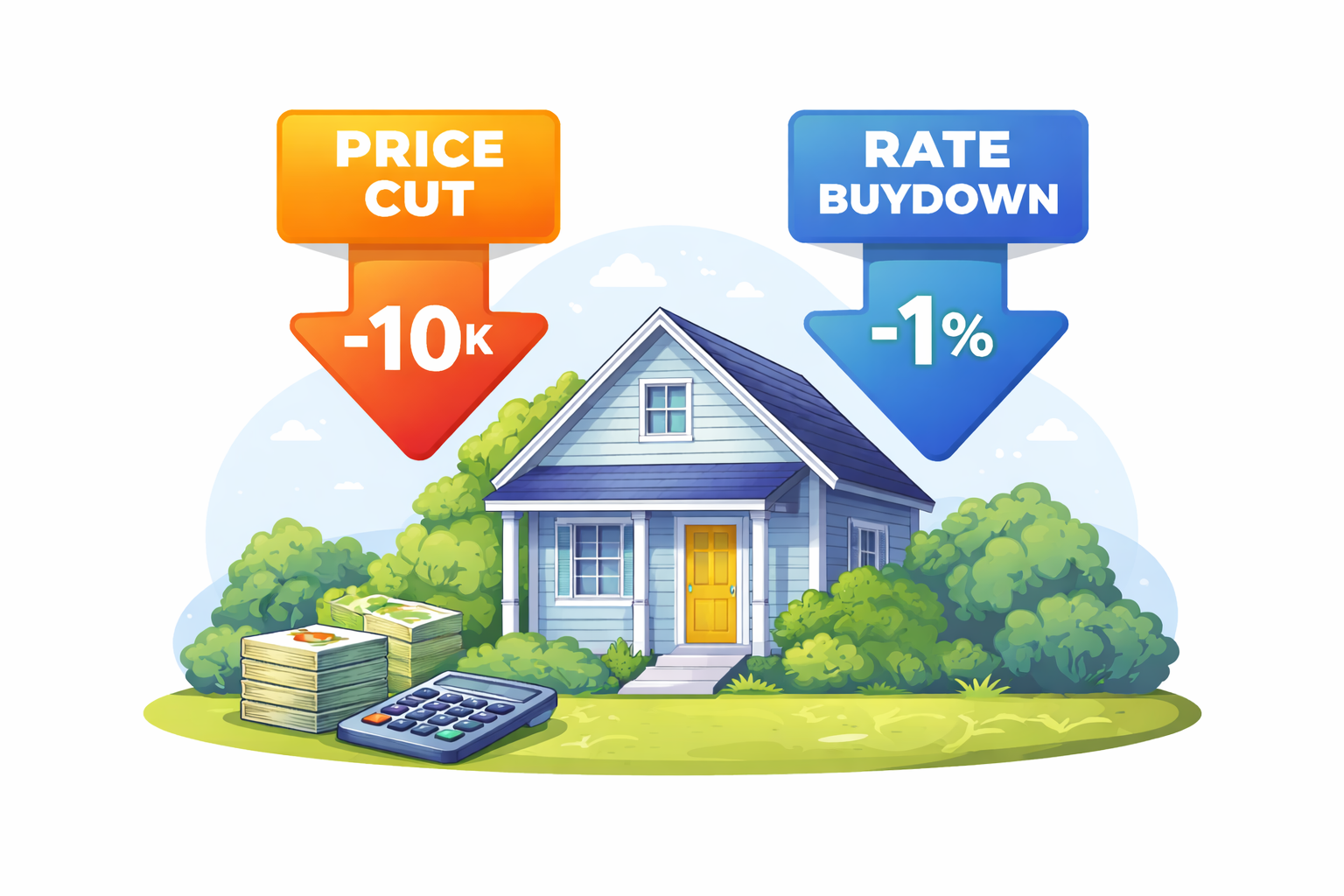
Seller concessions can do more than lower your cash-to-close. When used for a temporary or permanent rate buydown, the same $10K can often reduce your monthly payment more than a $10K price cut.
First-time buyers aren’t buying at 28 anymore. The typical first-time buyer is now 40—and it’s a direct reflection of today’s affordability math, not a personal failure.

Old-school homebuying advice can keep you stuck or push you into a payment that doesn’t fit. Here are the most common “rules” we still hear—and the real-world guidance that works in today’s market.

A clear guide to earnest money: what it is, typical deposit amounts, who holds it, when it’s refundable, and how to protect your funds so your offer stays strong.

Has your mortgage payment jumped—or stepped up? Learn why payments change, from escrow shifts (insurance/taxes) to mortgage insurance removal to temporary buydowns ending, and what to do next.

Avoid the pitfalls most first-time buyers don’t even see coming until it’s too late. Here’s the real advice your future self will thank you for.

Owning a home comes with more than just pride and a mortgage payment. It can also open the door to meaningful tax benefits—from deductions to credits to exclusions. Here’s what to know, without the jargon.

A clear breakdown of what a home equity loan is, how it works, when it makes sense, and the key pros and cons to weigh before borrowing against your home.

Your credit score doesn’t have to be a mystery — or a roadblock. In this post, we break down exactly how credit works, what impacts your score the most, and what steps you can take today to boost it. Whether you’re getting ready to buy a home or just want more financial freedom, this guide gives you the clarity and confidence to take control.

Choosing between a 15-year or 30-year mortgage? This post breaks down the pros and cons of each option—payment differences, interest savings, equity timelines—and helps buyers decide which term fits their goals, lifestyle, and budget.

VA loans are one of the most powerful benefits available to veterans and service members—but most people don’t realize just how much they offer. In this post, we break down the top advantages of VA loans, from zero down payment to flexible credit guidelines, and how to put them to work for your next home purchase or refinance.

Moving before the school year starts? This guide breaks down what families need to know when buying a home on a tight timeline—including how to research school zones, plan backward from your move-in date, and avoid common missteps during the transition.

Learn the real costs of buying a home beyond the down payment. From closing costs to move-in expenses — here's how to budget like a pro.

With high home prices and rising rates, more buyers are teaming up to afford homeownership—especially in pricey markets like Colorado. This blog breaks down the pros, pitfalls, and property types perfect for co-buying with friends or family. From duplexes to ADUs, we’ll walk you through how to do it right—and what to avoid.

Confused by escrow? You’re not alone. This blog breaks down what escrow is, how it works during the homebuying process, and why it’s a key safeguard for your money and peace of mind—before and after closing.

Still think you need 20% down or perfect credit to buy a home? Think again. This post busts the most common myths that keep smart buyers on the sidelines—and shares what’s actually possible in today’s market. If you’re closer to buying than you think, this is the clarity you’ve been waiting for.

Sick of rising rent, slow repairs, or living on someone else’s terms? This post breaks down what renters won’t miss when they finally make the move to homeownership—and the freedom, stability, and financial benefits that come with it. If you’re wondering whether it’s time to buy, start here.
.png)
If you’re a veteran, active-duty service member, or surviving spouse, you may qualify for one of the best loan options available: the VA loan. This post breaks down the benefits, busts common myths, and explains how to make the most of your military-earned buying power.

Before you fall in love with a house, get your financing in order. In this article, we explain why pre-approval should always be your first move as a buyer—and how it gives you clarity, credibility, and serious leverage in today’s market.

Wondering what really goes into your mortgage payment? From principal and interest to insurance, taxes, and beyond, this detailed breakdown explains every component so you can plan, budget, and buy smarter—no surprises.

Buying your first home is exciting—but also overwhelming if you don’t know what to expect. This guide breaks down the real deal behind the process, from pre-approval to closing, with honest advice and practical tips to help first-time buyers avoid common pitfalls and feel confident every step of the way.


