


Moving to Denver, Colorado
The short answer
Denver works best for people who want a real job market with the mountains about an hour away, and who can live with a dry, high-altitude climate. It is not a cheap move: home prices sit well above the national median, home insurance runs high because of hail, and many newer suburbs add HOA and metro district fees on top of property tax. Most people relocating here buy in the suburbs rather than the city itself. Before you fall for a neighborhood, get to know the full monthly cost of living there, not just the price of the house.
Watch: Jimmy's video on this area
Is Denver the right move for you?
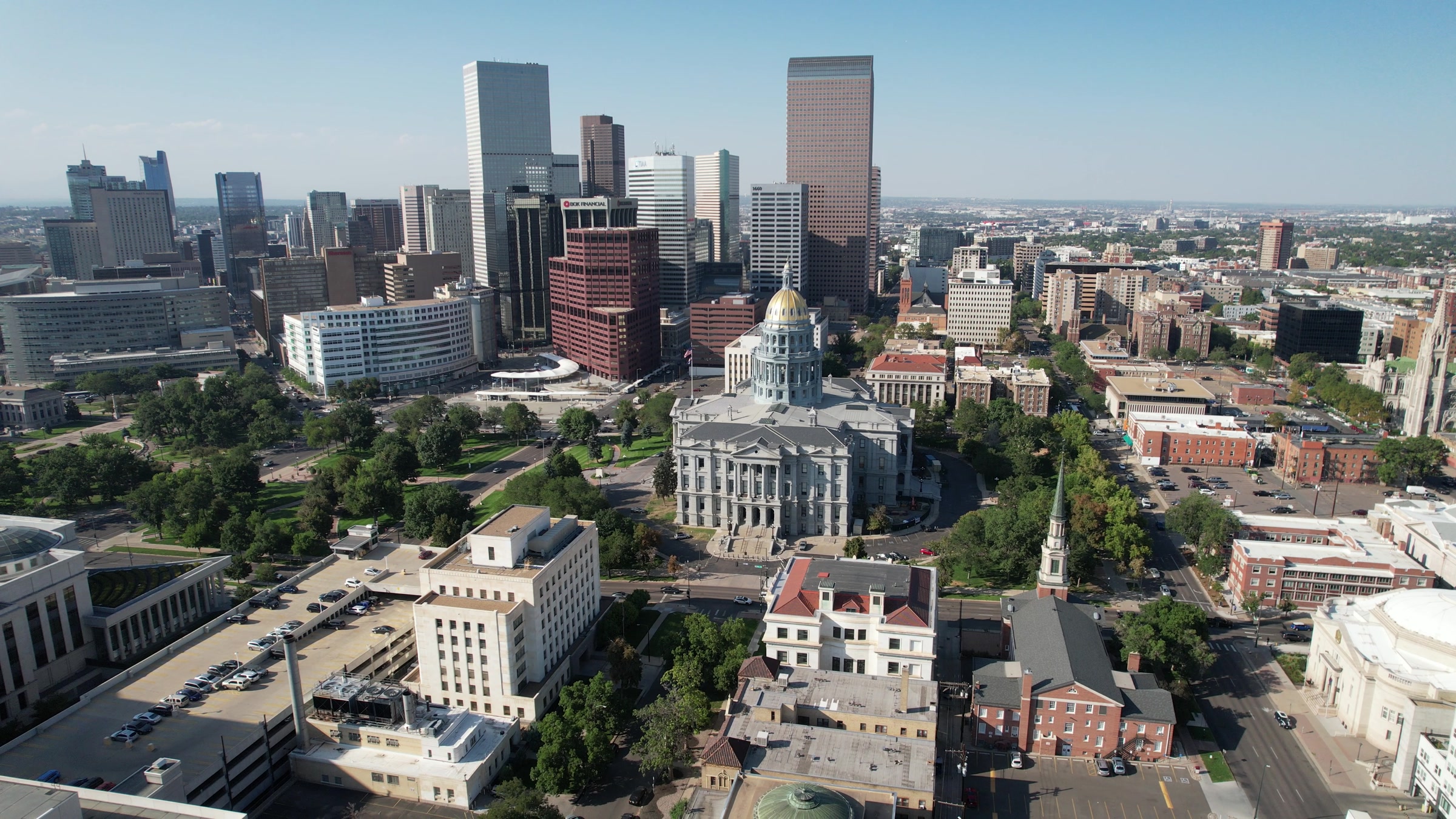
Denver sits on the high plains right where they meet the foothills of the Rockies. The city is officially a mile high — there's a marker on the 13th step of the State Capitol — and that altitude shapes daily life more than people expect. You'll feel it on your first run, your first drink and your first sunburn.
People move here for the same handful of reasons: the outdoors, the jobs, the sunshine and a city that still feels manageable compared with the coasts. Many stay. Those who leave often cite the same things — it cost more than they planned, or the outdoor lifestyle they moved for turned out to be more weekend traffic than weekday hikes. Both are avoidable if you go in with clear eyes.
Why people move here
- Foothills trailheads within about 30 minutes of downtown
- A diverse job market: aerospace, healthcare, energy, finance and tech
- Four real seasons, with dry air and plenty of sun
- A major airport with direct flights almost everywhere
What people underestimate
- Housing, insurance and HOA costs well above the national norm
- I-70 mountain traffic on weekends and holidays
- Hail season, and what it does to roofs, cars and premiums
- Altitude and dry air: more water, more sunscreen, year-round
Want the unfiltered version on camera? Watch The NEW & RAW Pros & Cons of Living in Denver Colorado on Destination Denver Colorado.
What are the seasons really like?
First, the "300 days of sunshine." It's a marketing line. The National Weather Service counted 115 "fair" (mostly clear) days in Denver in 2020; by a looser measure, the sun shines on about 252 days a year. The real point stands, though: fully gray, sunless days are rare, even in January.
Spring: the wild card
Spring swings hard. A 70-degree afternoon can turn into a foot of heavy, wet snow by morning, and March is often one of the snowiest months of the year. Spring snow melts fast, but it's hard on newly leafed-out trees.
Summer: hot days, storm afternoons
Summer days are warm and dry, with cool nights. Afternoon thunderstorms roll off the mountains, and late spring through summer is hail season along the Front Range. That's why roofs, cars and insurance premiums matter so much here.
Fall: the best-kept secret
September and October are the reason a lot of locals stay: warm days, crisp nights, golden aspens in the high country and quieter trails. The first snow can show up in October, then disappear by the weekend.
Winter: milder than you think
In the city, winter is mostly sunny and dry. Snow falls regularly but usually melts off streets within a day or two. The mountains are a different world — that's where the ski season, chain laws and I-70 closures live.
What does it really cost to own a home in Denver?
The price is only part of it. Your monthly payment is principal and interest plus property tax, homeowners insurance, and — in many newer neighborhoods — HOA dues and a metro district tax. Two homes at the same price can differ by hundreds of dollars a month. Here's what goes into the payment and where to find the real number for any home.
- Principal and interest — Your loan payment, driven by price, down payment and rate. Get the real number from your lender, with today's rate.
- Property tax — A percentage of the home's assessed value, set by the local levies. Look it up on the county assessor's site, by address.
- Homeowners insurance — Higher here than most of the country, largely because of hail. Get an insurance quote before you make an offer.
- HOA dues — Common in newer neighborhoods, townhomes and condos. Check the listing, then the HOA documents.
- Metro district tax — Extra mills that repay the cost of building a newer neighborhood. Check the property tax bill or the seller's disclosures.
- Mortgage insurance — On many loans with less than 20% down (not on VA loans). Your lender will show it.
Property tax
Colorado taxes a percentage of your home's value. The county takes the assessor's value, multiplies it by the residential assessment rate, then by the local mill levy. Since 2025 that math runs twice — once for school levies and once for everything else. Your county assessor's site shows the levy for any address.
Insurance and hail
The Front Range is one of the most hail-prone areas in the country, and hail drives a large share of premiums. Roof age and material matter when you buy: an impact-resistant roof may lower your premium.
Metro districts and HOAs
Many newer suburban neighborhoods were built with a metro district — a special taxing district that pays for the roads, parks and utilities. It shows up as extra mills on your tax bill, often on top of HOA dues. Ask for both numbers on any newer home.
Radon, sewer lines and soils
Colorado's health department estimates about half of Colorado homes have radon levels high enough to be a concern, so test before you close. Older homes can have aging clay sewer lines, and parts of the metro have expansive clay soils. A sewer scope and a careful inspection are cheap insurance.
What does everyday life cost beyond the house?
Housing is the big number, but a handful of Colorado-specific costs catch newcomers off guard. None of them is a dealbreaker. All of them belong in your first-year budget.
- State income tax — Colorado uses one flat rate for everyone, no brackets. Check the Colorado Department of Revenue for the current rate.
- TABOR refunds — Colorado's constitution caps how much the state can keep. When revenue beats the cap, taxpayers get the surplus back. Refunds were large earlier this decade and have shrunk sharply since (as of fall 2025, state economists expected much smaller refunds in 2026), so don't budget for one.
- Sales tax — Set city by city, on top of state and county tax. Denver's combined sales tax rate is higher than many suburbs; check the rate for the exact address. Two addresses a mile apart can differ.
- The "head tax" — If you work inside Denver, a small monthly occupational privilege tax comes out of your paycheck, a few dollars a month. Glendale and Greenwood Village have their own versions. It's small, but it surprises people.
- Registering your car — Colorado charges an annual specific ownership tax based on your vehicle's original value and age. A newer vehicle can cost several hundred dollars a year to register, far more than in many states. The first year usually hurts the most.
- Utilities — Xcel Energy supplies gas and electric to most of the metro. Water, sewer and trash depend on your city. Denver charges for trash by cart size.
- Childcare — Colorado is one of the more expensive states for infant care. Universal Preschool helps once your child reaches the year before kindergarten.
Groceries, gas and eating out run closer to big-city norms than to small-town prices. They won't make or break the move. Housing, insurance and car costs will.
Common mistakes out-of-state buyers make
The same handful of mistakes come up again and again. Every one of them is avoidable.
- Shopping by price instead of payment. A cheaper house in a newer suburb can cost more each month than a pricier one in an older neighborhood, once HOA and metro district taxes are in.
- Skipping the insurance quote until after the offer. Roof age and hail history can change your premium by a lot. Get the quote while you can still negotiate.
- Trusting the city name for schools. A "Centennial" or "Aurora" address can sit in more than one school district. Check the district's own address locator.
- Never driving the commute at rush hour. Tour on a Saturday, commute on a Tuesday. Drive it at 7:30 a.m. before you commit.
- Draining savings to hit 20% down. Moving costs, furniture and the first-year surprises add up. A smaller down payment with real reserves is often the safer play.
- Waiting for the "perfect" market. The right time is when the payment fits your life and you plan to stay a while, not when a headline says so.
The one I see cost people the most
The biggest mistake isn't picking the wrong neighborhood. It's buying before you know Denver is home. In the last three years, I've had two clients do everything right on the loan and still end up selling within a couple of years: one because life forced the move, one because they simply changed their minds. Between agent commissions, closing costs on both ends, and a market that doesn't always rise fast enough to cover them, a short hold can cost real money. If there's any real chance you won't be here in three to five years, renting first isn't the cautious choice. It's the smart one.
Should you live in the city or the suburbs?
The City and County of Denver is one piece of a metro area of about three million people. Most people relocating here buy in the suburbs, where they get more space for the money and a wider choice of school districts. One rule saves a lot of grief: city names, ZIP codes and school districts don't line up. Always check the exact address. Rail lines listed here are as of October 2026.
- Denver (city) — County: Denver; Schools: Denver Public Schools; Rail: hub of the whole system at Union Station
- Lakewood — County: Jefferson; Schools: Jeffco; Rail: W Line
- Arvada — County: Jefferson, Adams; Schools: Jeffco; Rail: G Line
- Aurora — County: Arapahoe, Adams, Douglas; Schools: Aurora Public Schools, Cherry Creek, others; Rail: R and A Lines (H Line suspended during downtown rail reconstruction)
- Centennial — County: Arapahoe; Schools: Cherry Creek, Littleton; Rail: light rail on its edge
- Littleton — County: Arapahoe (mostly); Schools: Littleton, Jeffco, Douglas County; Rail: C Line
- Highlands Ranch — County: Douglas; Schools: Douglas County; Rail: none (light rail nearby)
- Castle Rock — County: Douglas; Schools: Douglas County; Rail: none
- Westminster — County: Adams, Jefferson; Schools: Westminster, Adams 12, Jeffco; Rail: B Line
- Thornton — County: Adams; Schools: Adams 12, Mapleton, 27J; Rail: N Line
- Golden — County: Jefferson; Schools: Jeffco; Rail: W Line
- Wheat Ridge — County: Jefferson; Schools: Jeffco; Rail: G Line
- Englewood — County: Arapahoe; Schools: Englewood Schools; Rail: C Line
- Greenwood Village — County: Arapahoe; Schools: Cherry Creek; Rail: E Line
- Lone Tree — County: Douglas; Schools: Douglas County; Rail: E and R Lines
- Parker — County: Douglas; Schools: Douglas County; Rail: none
- Broomfield — County: Broomfield (its own county); Schools: Adams 12, Boulder Valley, others; Rail: none (bus to Denver and Boulder)
- Louisville / Superior — County: Boulder; Schools: Boulder Valley; Rail: none
- Erie — County: Boulder, Weld; Schools: St. Vrain Valley; Rail: none
- Northglenn — County: Adams; Schools: Adams 12; Rail: N Line
- Brighton — County: Adams; Schools: 27J; Rail: none
- Commerce City — County: Adams; Schools: Adams 14, 27J; Rail: N Line
- Evergreen / Conifer — County: Jefferson (unincorporated); Schools: Jeffco; Rail: none
Inside the city
Denver itself has 78 official neighborhoods. They range from dense, walkable blocks to quiet streets of brick bungalows. Here are 18 that relocating buyers ask about most.
LoDo and Union Station
Historic warehouses turned lofts, Coors Field, and Union Station as the hub for light rail and the airport train. Walkable and lively, and that includes the noise on game nights and weekends. Mostly condos.
RiNo
The River North Art District: murals, breweries, food halls, and former industrial blocks filling in with condos and townhomes. The A Line stops at 38th & Blake. Expect ongoing construction (as of 2026).
Capitol Hill
Dense and historic, with old mansions, brick apartment buildings and Cheesman Park nearby. Colfax runs through it, colorful and gritty. Great for walkers and renters, with limited parking.
Highland and Sloan's Lake
Just northwest of downtown, with pedestrian bridges into the city. Victorians and bungalows next to modern townhomes, plus restaurants. Sloan's Lake anchors the west side.
Washington Park
"Wash Park" is built around one of the city's best-loved parks, with lakes, gardens and a loop full of runners. Classic bungalows and big rebuilds. Among the priciest neighborhoods in the city.
Park Hill
Northeast of City Park, which holds the Denver Zoo and the Museum of Nature & Science. Tree-lined streets of Tudors, foursquares and bungalows, with a strong neighborhood identity.
Central Park
Built on the former Stapleton airport: newer homes, lots of parks and pools, and an A Line station. As in many planned communities, ask about HOA dues and metro district taxes.
Lowry
A former Air Force base redeveloped into a planned neighborhood with a mix of newer homes, townhomes and parks. A short drive to downtown, Cherry Creek and the Anschutz campus.
Cherry Creek
Shopping, dining and luxury condos around the Cherry Creek Shopping Center, with the Cherry Creek Trail running through. Note: the neighborhood is in Denver Public Schools, not the Cherry Creek School District.
Congress Park
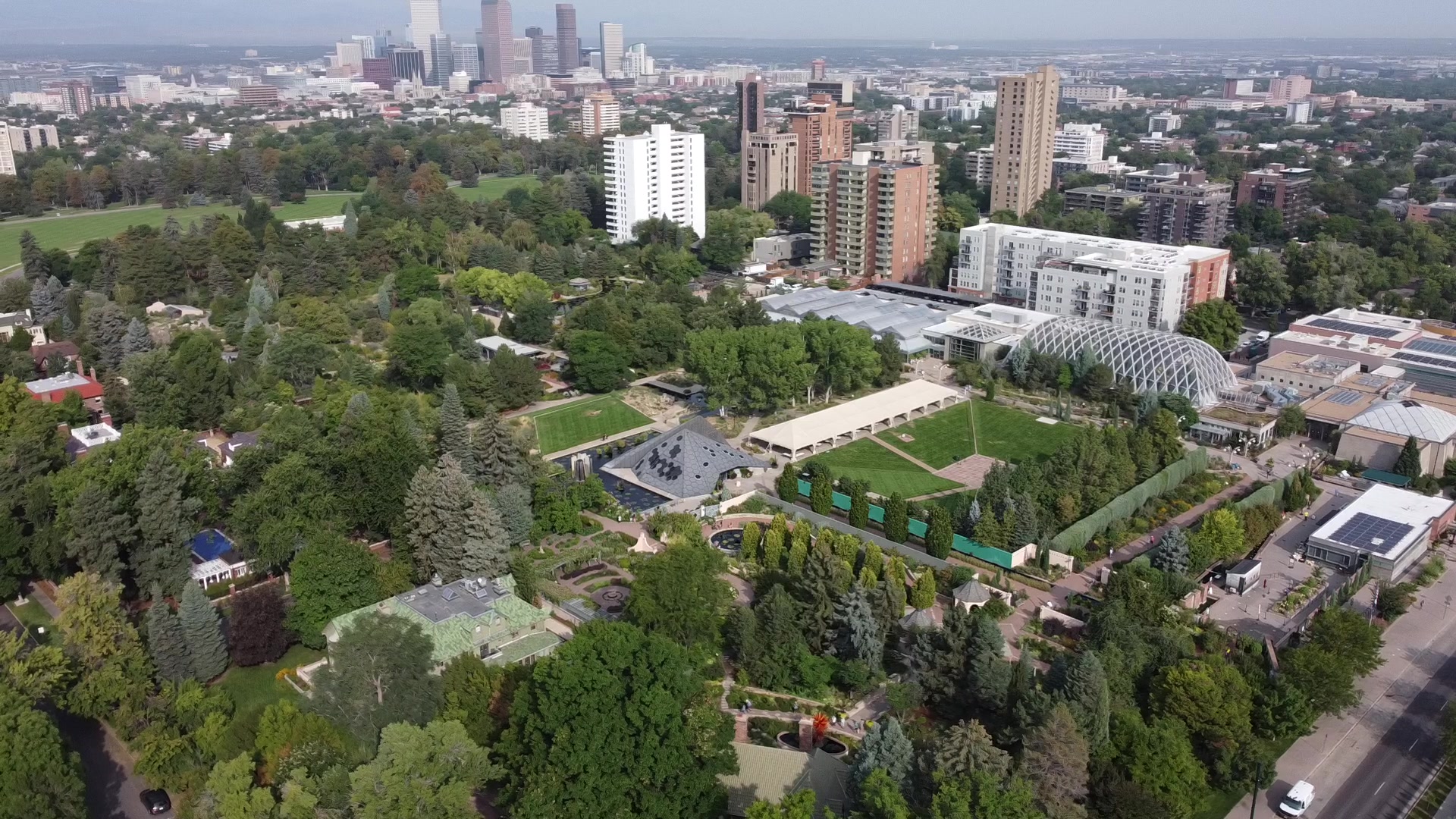
East of Capitol Hill, next to the Denver Botanic Gardens. Brick bungalows and foursquares, a popular public pool, and an easy walk or bike to Cheesman Park.
Baker
Victorians and small bungalows near South Broadway's antique shops, bars and music venues. Close to downtown and to the Alameda light rail station.
Platt Park
Built around Old South Pearl Street and its summer farmers market. Bungalows and small homes, quiet streets, and a light rail station at Louisiana–Pearl.
University
Around the University of Denver, with its own light rail station. A mix of students, faculty and families; bungalows, ranches and rentals.
Berkeley and Tennyson
Northwest Denver around Tennyson Street's shops and restaurants, plus two lakes in Berkeley Park and Rocky Mountain Lake Park. Older homes next to modern rebuilds.
Sunnyside
Just north of Highland: modest bungalows, a quieter feel, and quick access to I-70, I-25 and the commuter rail.
Five Points
One of Denver's oldest neighborhoods and the historic heart of its Black community, once called the "Harlem of the West" for its jazz clubs. Victorians, new townhomes, and the Welton Street light rail (L Line), suspended until downtown rail reconstruction finishes in 2027.
Green Valley Ranch
Far northeast Denver near the airport. Newer homes at some of the city's lower price points, a golf course and a recreation center. Ask about metro district taxes.
Southmoor Park and Hampden
Southeast Denver near the Tech Center: mid-century ranches, larger lots, parks, and light rail at Southmoor station.
The suburbs, one by one
Lakewood
West of Denver in Jefferson County, with Green Mountain and Bear Creek Lake Park inside city limits and the foothills minutes away. Belmar is the walkable town center; the W Line runs to downtown. Housing ranges from mid-century ranches to newer townhomes.
Arvada
Northwest of Denver, mostly in Jefferson County. Olde Town Arvada is a historic main street with its own G Line station. Newer master-planned areas like Candelas sit on the northwest edge, next to the Rocky Flats National Wildlife Refuge — a history worth reading up on before you buy there.
Aurora
Colorado's third-largest city, spanning Arapahoe, Adams and Douglas counties — so its school districts vary widely by address. It's home to the Anschutz Medical Campus and Buckley Space Force Base, and the widest range of prices in the metro.
Centennial
A south-metro city incorporated in 2001, close to the Denver Tech Center. Most of it is served by Cherry Creek or Littleton schools. Established neighborhoods with mature trees, plus The Streets at SouthGlenn for shopping and dining.
Littleton
The Arapahoe County seat, with a historic downtown Main Street and the C Line ending at Littleton–Mineral. South Platte Park gives it a large natural area along the river. Note that many "Littleton" mailing addresses are outside the city itself.
Highlands Ranch
Not a city — a large unincorporated master-planned community in Douglas County, run by a metro district and a community association with four recreation centers. Douglas County schools, miles of trails, and a newer, consistent housing stock.
Castle Rock
The Douglas County seat, about 30 miles south of downtown on I-25. It has its own downtown, Philip S. Miller Park and its 200-step Challenge Hill, and plenty of newer construction. The trade-off is the drive: there's no rail.
Westminster
North of Denver in Adams and Jefferson counties, with Standley Lake, the B Line, and a new Downtown Westminster built on the old mall site. It sits between Denver and Boulder, which makes it popular with US-36 corridor commuters.
Thornton
A fast-growing northern suburb in Adams County with three N Line stations. Schools are split among Adams 12, Mapleton and 27J, so check the address. Lots of newer subdivisions — ask about HOA and metro district taxes.
More suburbs worth a look
Golden
The Jefferson County seat, at the base of the foothills. Home to the Colorado School of Mines and the Coors brewery, with Clear Creek running through a walkable downtown. The W Line ends here.
Wheat Ridge
Between Denver and Lakewood, with mid-century ranches on larger lots than most close-in suburbs and the Clear Creek Trail. The G Line ends at Wheat Ridge·Ward.
Edgewater
A tiny city just west of Sloan's Lake. Walkable, with small older homes and the lake as its front yard.
Englewood
Just south of Denver, with its own school district, light rail at CityCenter Englewood, and a medical hub around Swedish Medical Center and Craig Hospital. Older, smaller homes at prices closer to the metro middle.
Greenwood Village
At the heart of the Denver Tech Center: large lots, big homes, Cherry Creek schools, and some of the highest prices in the south metro.
Lone Tree
A Douglas County city around Park Meadows, Sky Ridge Medical Center and the newer RidgeGate development, where light rail now ends. Douglas County schools.
Parker
A Douglas County town with a historic Mainstreet, the Cherry Creek Trail, and lots of newer subdivisions east of I-25. Quick access to E-470.
Broomfield
Its own city and county, between Denver and Boulder. Interlocken's tech campuses and Flatiron Crossing sit here. Schools split among several districts.
Louisville and Superior
Boulder County towns on US-36, in the Boulder Valley School District. Louisville's historic Main Street is a favorite. Both were hit hard by the 2021 Marshall Fire.
Erie
A fast-growing town in Boulder and Weld counties with a small historic downtown, lots of new construction, and St. Vrain Valley schools.
Northglenn
An established northern suburb in Adams County with mid-century homes, parks, and an N Line station at 112th.
Brighton
The Adams County seat, northeast of the metro: farm-town roots, a historic downtown, and plenty of newer subdivisions. Schools are in 27J.
Commerce City
North of Denver, home to the Rocky Mountain Arsenal National Wildlife Refuge and the Rapids' stadium. Newer neighborhoods like Reunion sit on its northeast side.
Evergreen and Conifer
Unincorporated foothills communities in Jefferson County: mountain living 30 to 45 minutes from Denver. Wildfire risk and insurance are the first things to check, and winter driving comes with the territory.
Where are the jobs, and where should you live to reach them?
Denver's jobs aren't all downtown, and where you work should shape where you look. A 15-mile commute across the metro can take twice as long as 15 miles in the right direction.
- Downtown Denver — Finance, law, government and corporate offices. Easier commutes: Denver neighborhoods, and rail suburbs on the W, G, B and N Lines.
- Denver Tech Center — Corporate offices, tech and finance, mainly in Greenwood Village with parts in Denver and Centennial. Easier commutes: Centennial, Highlands Ranch, Littleton, Aurora, Parker.
- Anschutz Medical Campus — University of Colorado hospitals, research and medical school, in Aurora. Easier commutes: Aurora, east Denver, Central Park.
- US-36 corridor — Tech employers in Broomfield (including Interlocken), Westminster and Boulder. Easier commutes: Westminster, Broomfield, Arvada.
- Denver Federal Center — Federal agencies, in Lakewood. Easier commutes: Lakewood, Golden, Arvada.
Remote and hybrid work has opened up farther-out areas like Castle Rock and the foothills. If you'll commute two or three days a week, drive the route at rush hour before you buy.
How do you get around Denver?
Most people drive. I-25 runs north–south through the metro, I-70 runs east–west and climbs into the mountains, and the C-470 / E-470 ring connects the suburbs (E-470 is a toll road). Rush-hour traffic is real but rarely coastal-city bad. The traffic people complain about most is I-70 to the ski areas on winter weekends.
RTD runs light rail, commuter rail and buses. The A Line runs from Union Station downtown to Denver International Airport in about 37 minutes — one of the best perks of living near a station. DEN itself sits on the largest airport site in North America, well east of the city, so budget roughly 30–45 minutes to drive there from most of the metro.
How do schools work when you move here?
School assignment follows district lines, not city names. A single suburb can be split among two or three districts, so confirm with the district's own address locator before you fall in love with a house. The three largest districts are Denver Public Schools, Jeffco Public Schools and Douglas County School District. Denver Public Schools also runs SchoolChoice, which lets families apply to schools outside their neighborhood.
For performance data, use the Colorado Department of Education's SchoolView site. School openings, closures and boundaries change, so check again close to your move.
Preschool: Colorado's Universal Preschool program pays for up to 15 hours a week of preschool in the year before kindergarten, at participating schools and centers. Families who qualify by income or other factors may get more hours. Applications open the winter before the school year, so if you're moving with a 4-year-old, put the deadline on your calendar early. 3-year-olds generally go through district programs instead.
How do altitude, air quality and health care work here?
Altitude
Most healthy people adjust within a few days to a couple of weeks. Expect to get thirsty faster, sunburn faster, and feel alcohol sooner. Some people sleep poorly or get headaches the first week. Baking recipes need adjusting. If you have a heart or lung condition, talk to your doctor before you move.
Air quality
The EPA classifies the Denver metro and North Front Range as a "severe" area for summer ozone, so hot afternoons bring ozone action-day alerts. Late-summer wildfire smoke from across the West adds hazy days. Winter inversions still happen.
Health care
The metro has several large health systems: UCHealth, anchored by University of Colorado Hospital on the Anschutz campus; Intermountain Health, which runs Saint Joseph, Lutheran and Good Samaritan; HealthONE; AdventHealth; CommonSpirit; Denver Health, the city's safety-net hospital; and Kaiser Permanente. Children's Hospital Colorado and National Jewish Health, known for lung and respiratory care, draw patients from across the country. Insurance networks often follow these systems, so check which one your plan covers before you choose a doctor or a neighborhood.
What risks should you know about before you buy?
Every place has its risks. Here are Colorado's, and the tools to check any address before you commit.
Wildfire
Wildfire isn't only a mountain problem. The Marshall Fire in December 2021 destroyed about 1,000 homes in suburban Superior and Louisville, driven by wind across dry grassland. Homes in the foothills and along open space can face higher premiums, or have trouble getting coverage at all. Look up the address on the Colorado State Forest Service's wildfire risk viewer, and get an insurance quote before your offer.
Water
Denver is semi-arid. From May 1 to October 1, Denver Water customers may water lawns no more than three days a week, and never between 10 a.m. and 6 p.m. Other cities have their own rules. Many newer homes use drought-tolerant xeriscaping instead of big lawns. If you dream of a green yard, budget for the water bill.
Floods and soils
Homes near creeks and gulches can sit in a flood zone, and a summer cloudburst can turn a dry creek bed into a torrent. Check the FEMA flood map for the address. Parts of the metro have expansive clay soils that move foundations and driveways, which is one more reason for a thorough inspection.
Crime
Crime in Denver, like any big city, varies block by block. Homelessness is visible downtown and along Colfax, as in most large western cities. Use the Colorado Bureau of Investigation's crime statistics site, or your city's police crime map, for the specific area you're considering — not a ranking list.
What is daily life and culture like in Denver?
Denver is a casual city. Fleece and hiking shoes pass at most restaurants, people are generally friendly, and an unusually large share of your neighbors moved here from somewhere else. That makes it easier to break in than in many cities, if you show up for things.
Sports
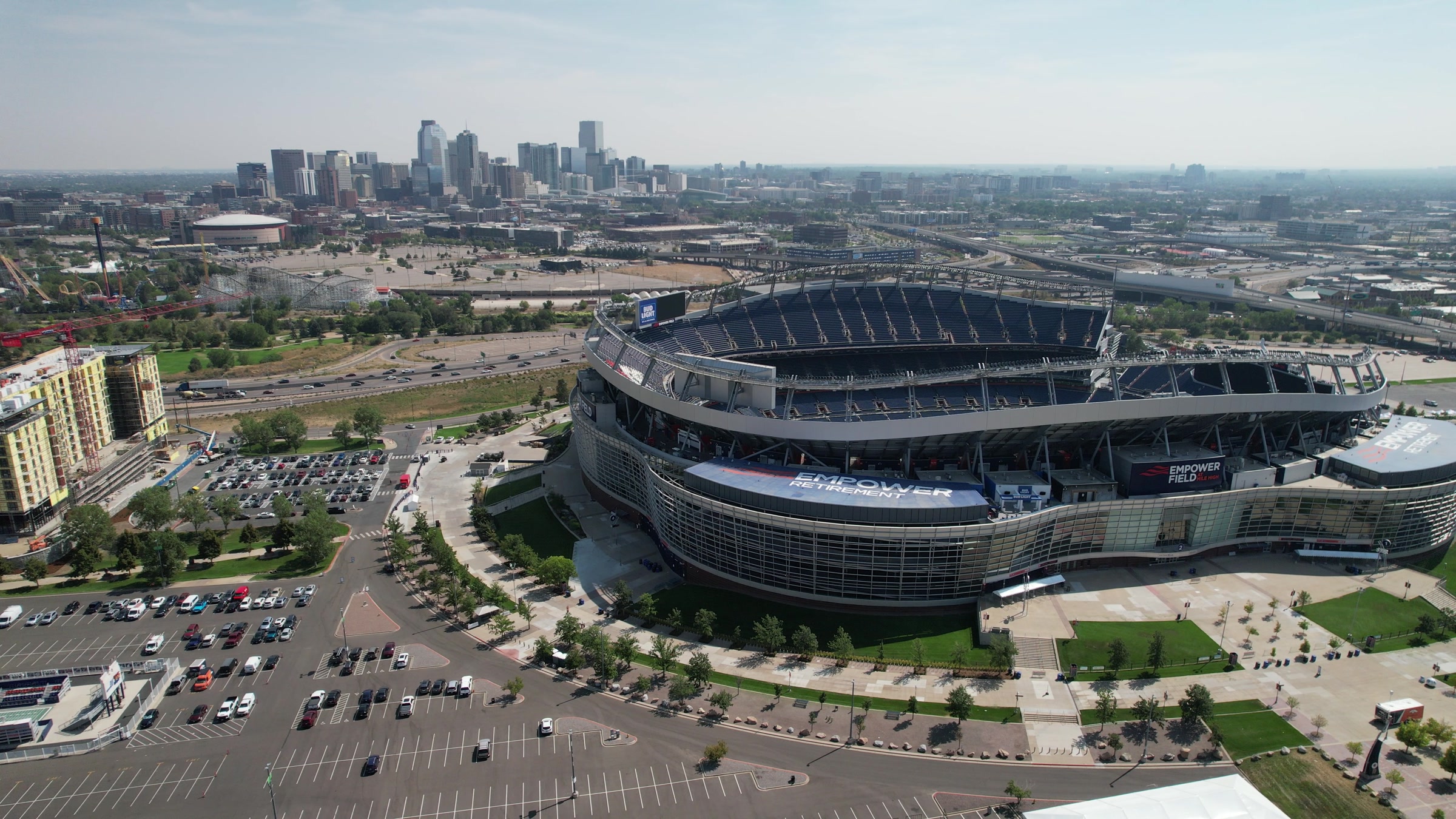
The Broncos, Nuggets, Avalanche, Rockies and Rapids all play here, along with the Mammoth in pro lacrosse and Denver Summit FC, the city's women's pro soccer team. Fan loyalty runs deep, especially for the Broncos.
Arts and culture
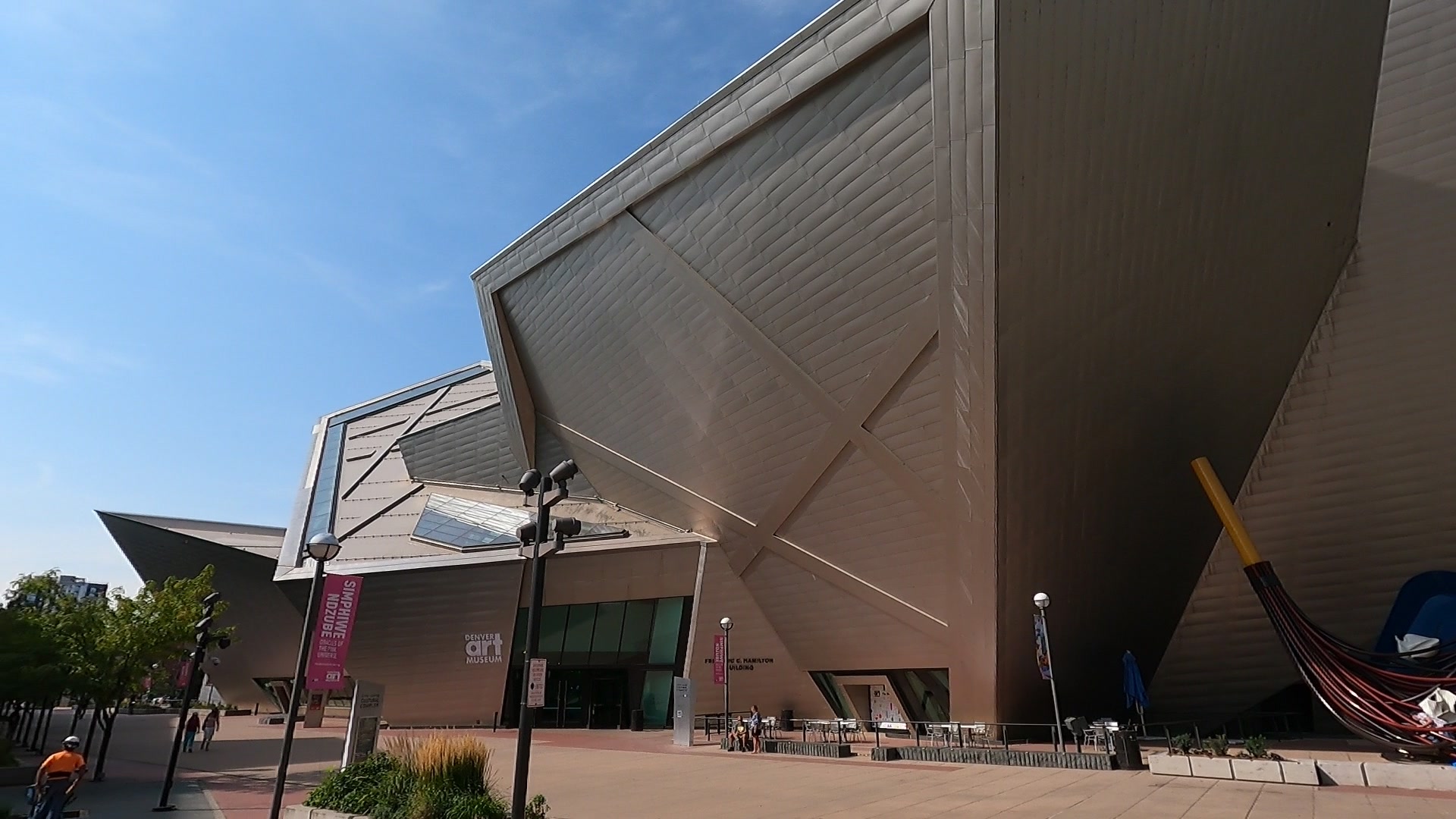
The Denver Performing Arts Complex is the second-largest performing arts center in the country. A small regional sales tax (the SCFD) funds the arts, which is why the Denver Art Museum, the Zoo, the Botanic Gardens and the Museum of Nature & Science all offer free days.
Dogs
Denver is a dog town: dog parks, dog-friendly patios and breweries, and trails full of them. Check leash rules on trails and open space, and read any HOA's pet limits before you buy.
Cannabis
Recreational marijuana is legal for adults 21 and over. Public use is not, and you can't take it across state lines. Landlords, HOAs and many employers set their own rules, and federal jobs and clearances still follow federal law.
Food and drink
Colorado is a craft beer state, and Denver hosts the Great American Beer Festival every year. The food scene has grown fast: food halls, a strong Mexican food tradition, and green chile that people argue about.
Making friends
My opinion: people here bond over doing things together. Run clubs, rec leagues, climbing gyms, ski buses, churches and volunteer groups are how newcomers build a circle. Waiting to be invited is the slow way.
What do people actually do on weekends?
The outdoors is the reason a lot of people come, and it's closer than you'd think. Foothills trails start about 30 minutes from downtown. Red Rocks Park and Amphitheatre — owned by the City of Denver — sits near Morrison, about 10 miles southwest of the city, and works as both a concert venue and a morning workout.
Inside the city, the parks and trail network do a lot of the work: weekday runs around a lake, bike commutes along the creek trails, summer festivals and patios. The mountains are for weekends — and that's where planning matters.
The I-70 rule locals learn fast
The closest ski areas are roughly an hour from west Denver in good conditions, and the big destination resorts about two hours. On a winter Saturday, I-70 traffic can double that. Locals ski midweek, leave before dawn, or stay over.
From September 1 to May 31, Colorado's traction law covers I-70 between Morrison and Dotsero whenever conditions call for it. Your tires need at least 3/16 inch of tread and a winter, all-weather or mud-and-snow rating, or you carry chains or an approved traction device. That applies even to all-wheel drive. Getting caught out costs a fine, and much more if your car blocks the road. Check COtrip before you go.
Should you rent first or buy right away?
It depends on how well you know the metro and how sure you are about where you'll work. Renting first gives you a season to learn the commutes, the weather and the neighborhoods. Buying first saves a second move and starts building equity sooner.
Rent first if…
- You don't know the metro and can't visit before you move
- Your job location or schedule isn't settled
- You might leave within two or three years
Buy first if…
- You know where you'll work and have visited the areas
- You plan to stay five years or more
- A second move would cost more than you'd save renting
I'll never tell you buying is a bad idea if that's what you want. But rent versus buy in Denver usually comes down to one thing: how well you know the area. I talk to people who've lived here before or spent real time here, and they're genuinely ready to buy. I also talk to people whose only visit was a vacation or a couple of weeks, and that's a lot to bet a home purchase on. Denver's neighborhoods and suburbs vary more than a short trip can show you. If you don't know the area yet, renting for a while so you can learn where you actually want to live isn't a step backward. It's how you buy the right house instead of the first one.
Should you buy new construction or a resale home?
Much of the metro's growth is new subdivisions on the edges: Thornton, Aurora, Castle Rock, Arvada and beyond. New homes come with real advantages, and with fine print relocating buyers often miss.
New construction
- Builder warranty, modern systems, energy efficiency, and often radon mitigation built in
- Metro district taxes and HOA dues are the norm. Get both numbers in writing.
- Landscaping, fencing and window coverings may cost extra
- Smaller lots, young trees, and often a longer commute
Resale
- Mature trees, established neighborhoods, usually closer in
- Often no metro district, and lower or no HOA dues
- Older roofs, sewer lines and systems, so inspect carefully and budget for updates
- Homes built before 1978 may contain lead-based paint
- More room to negotiate on repairs and price
How does buying a home work in Colorado?
If you've bought somewhere else, most of this will feel familiar. A few Colorado differences are worth knowing. Agents here use standard contracts approved by the Colorado Real Estate Commission, and those contracts run on a list of specific deadlines rather than one general contingency period. Miss a deadline, and you can lose your right to back out and get your earnest money back.
- Pre-approval. Get it before you tour. In competitive price ranges, sellers expect it with the offer.
- Offer and earnest money. Your deposit goes to the title company or the brokerage, usually within a few days of acceptance. The amount is negotiable and is credited back to you at closing.
- Inspection and objection. You inspect, then object to items by the contract deadline. The seller can fix them, credit you, or decline, and you decide whether to move forward. Add a sewer scope and radon test.
- Title review. The title company checks ownership, liens and easements. In Colorado the seller commonly pays for the buyer's owner's title policy, but it's negotiable.
- HOA and metro district documents. Read the budget, rules and any pending special assessments before the document deadline.
- Appraisal and loan conditions. The appraisal must support the price, and your lender clears the final conditions before the loan deadline.
- Closing. Colorado closings happen at a title company, not a law office. There's no state transfer tax, just a small documentary fee of a penny per $100 of the price. Ask whether remote online notarization is available if you can't be there in person.
How do you get a mortgage when you're moving from another state?
Here's the straight version. You don't need any of it figured out before you start exploring. Knowing it early just saves a lot of stress later.
- Get pre-approved before your house-hunting trip. If you're relocating for a job, a signed offer letter can often count as income before your first Colorado paycheck. A full pre-approval also makes your offer stronger than a quick pre-qualification.
- Budget the whole payment. Build in property tax, insurance, HOA dues and any metro district tax before you choose a price range.
- Check Colorado's down payment programs. The Colorado Housing and Finance Authority (CHFA) offers down payment help as either a grant or a deferred second mortgage, with income and price limits. Some programs require you to be a first-time buyer; others don't.
- Veterans: start with the VA loan. No down payment, no monthly mortgage insurance, and no loan limit if you have full entitlement. Colorado also offers a property tax exemption for qualifying disabled veterans.
- You don't need 20% down. Many buyers put down far less. The right amount depends on your savings, your payment comfort and what you want to keep in reserve.
- Plan the closing around your move. Many buyers close before they arrive. Ask your title company which parts of the closing can be done remotely.
How should you plan a move to Denver?
- 4–6 months out — Set a full monthly budget. Get pre-approved. Narrow to two or three areas based on work, schools and lifestyle. If you have young kids, check preschool and school enrollment deadlines.
- 2–3 months out — Take a scouting trip. Choose an agent. Get insurance quotes on example homes. Decide whether to rent first or buy.
- 30–60 days out — Go under contract and hit every deadline. Book movers early; summer is peak season. Line up utilities.
- Moving week — Coming over the mountains in winter? Check COtrip for I-70 closures and traction-law alerts. Confirm any HOA rules on moving trucks.
- First 90 days — License, registration, voter registration and radon test. See the checklist below.
How to plan a three-day scouting trip
Day 1 (a weekday): Drive your real commute at rush hour, both ways. Tour your top two areas in the afternoon, including the grocery store, the school drop-off line and the main road at 5 p.m.
Day 2: Tour homes with your agent. Ask for HOA and metro district numbers on every newer one. Take notes on roof age.
Day 3 (a weekend): See the weekend version: farmers markets, parks, a trail and downtown. Then drive I-70 toward the mountains to see what weekend traffic really means.
If you can, visit once in March or during a summer storm. Seeing Denver on its worst day is the best test of whether you'll love it on the other 300.
What do you need to do in your first 90 days?
- Get a Colorado driver license within 30 days of becoming a resident. You're a resident once you work or run a business here, or after living here 90 days in a row.
- Register your vehicles with your county within 90 days. Expect a VIN check and, in most of the metro, an emissions test for vehicles older than seven model years.
- Register to vote — you can do it at any driver license office.
- Set up utilities: Xcel Energy for gas and electric, plus your water provider and trash service, which vary by city.
- Test your home for radon if it wasn't tested before closing.
- Find a primary care doctor, and ask about altitude if you have heart or lung conditions.
- Drink more water than you think you need for the first few weeks, and wear sunscreen even in winter.
In pictures


Watch the videos
Help shape what Jimmy films next
Which town should Jimmy cover next, and what do you still want to know? Tell us, and we'll email you when the guide and video are out.
Thank you — this genuinely helps. We'll let you know when it's ready.
Frequently asked questions
Does Denver really get 300 days of sunshine?
Not the way it sounds. The National Weather Service counted 115 "fair" (mostly clear) days in Denver in 2020; by a looser measure, the sun shines on about 252 days a year. Completely gray days are uncommon, though.
Is it cheaper to live in the suburbs?
Often, but not always. Prices vary widely by suburb, and newer suburban homes may carry HOA dues and metro district taxes that offset a lower price. Compare full monthly payments, not list prices.
Can I buy a home in Colorado before I move?
Yes. Many buyers get pre-approved and tour homes in one trip, or by video with their agent, and close before they arrive. Ask your title company which parts of the closing can be done remotely.
What is a metro district?
A special taxing district created to pay for a new neighborhood's roads, water, sewer and parks. Owners repay that debt through extra property tax, which shows up as additional mills on the tax bill.
How far are the ski resorts?
The closest areas are roughly an hour from west Denver in good conditions, and the big destination resorts about two hours. Weekend I-70 traffic can double that.
Do I need 20% down to buy in Denver?
No. Many loan programs allow much less, and VA loans allow zero down for eligible veterans. Colorado's CHFA programs can also help with the down payment.
Do I need four-wheel drive to live in Denver?
Not in the city. Good winter or all-weather tires handle most snow days, and roads usually clear within a day or two. For regular mountain trips, all-wheel drive helps, but the traction law cares about your tires, not your drivetrain.
How long does it take to adjust to the altitude?
Most healthy people feel normal within a few days to a couple of weeks. Drink extra water, go easy on alcohol and hard workouts at first, and wear sunscreen. If you have a heart or lung condition, ask your doctor before you move.
Why is registering a car so expensive in Colorado?
Colorado charges an annual specific ownership tax based on the vehicle's original value and age, on top of registration fees. Newer and more expensive vehicles cost the most, and the amount drops as the car ages.
Is Denver safe?
It depends on the block, as in any big city. Look up crime data for the specific neighborhood on the Colorado Bureau of Investigation's statistics site or the local police crime map, and visit at night as well as during the day.
Is it hard to get home insurance in Colorado?
Hail makes it expensive across the Front Range. Wildfire risk can make it harder to get in the foothills and near open space. Get a quote on the specific address before your offer, not after.
Is marijuana legal in Colorado?
Yes, for adults 21 and over. Using it in public is illegal, you can't take it out of state, and landlords, HOAs and employers can set their own rules.
Take this guide with you
Get the printable PDF version to read offline, share with your family or mark up on your scouting trip. Enter your name and email and it's yours.
Thanks! Your guide is ready.
Download the PDFNo spam. Jimmy may follow up personally to see if you have questions about the move.
Sources
Guide reviewed October 15, 2026, and reviewed again twice a year.
- Colorado Division of Insurance: hail and premiums
- Colorado Division of Property Taxation
- CHFA: down payment assistance
- Colorado DMV: new to Colorado
- CDPHE: radon
- Colorado Sun: the "300 days of sunshine" claim
- 9News: where the "300 days of sun" claim comes from
- Denver International Airport: about DEN
- Highlands Ranch Community Association: recreation centers
- Town of Castle Rock: Philip S. Miller Park
- CDOT: Traction Law requirements
- Denver Water: summer watering rules
- Colorado Department of Early Childhood: Universal Preschool
- City and County of Denver: business taxes, including the occupational privilege tax
- City of Glendale: occupational privilege tax
- City of Greenwood Village: occupational privilege tax
- Colorado Public Radio: smaller TABOR refunds
- Colorado Bureau of Investigation: crime statistics
- Colorado State Forest Service: wildfire risk viewer
- FEMA flood map service center
- RTD: final September 2026 service changes
- RTD: service changes take effect Sept. 27
- Wikipedia: C Line (RTD)
- Wikipedia: Colorado State Capitol
- CDPHE: free radon test kits
- Wikipedia: Denver International Airport
- Colorado Department of Revenue: 2025 individual income tax booklet
- Colorado Legislative Council: specific ownership tax issue brief
- Colorado Division of Real Estate: contracts and forms
- C.R.S. 39-13-102: documentary fee
- VA: home loan limits
- CHFA: FirstStep loan program
- Colorado DMV: voter registration
- CDPHE: ozone nonattainment
- Wikipedia: Marshall Fire
- Wikipedia: Red Rocks Amphitheatre
- Wikipedia: Denver
- Wikipedia: Denver Performing Arts Complex
- Wikipedia: Highlands Ranch, Colorado
- Wikipedia: Centennial, Colorado
- Wikipedia: Aurora, Colorado
Photo credits
- Photos: Jimmy Everetts / Destination Denver Colorado.
Thinking about moving here?
Ask Jimmy anything about the area, the neighborhoods or the move itself. No pressure, just straight answers from a local.


