


Thornton
The short answer
Thornton is Colorado's sixth-largest city, about 142,000 people at the 2020 census and about 147,000 (2024 Census estimate), stretching along I-25 due north of Denver to E-470 and beyond, almost entirely in Adams County. It suits buyers who want the widest range of housing in the north metro, from 1950s ranches to brand-new master plans, three commuter rail stations with a 29-minute ride to Union Station, and every big-box convenience within a short drive. It suits people less well if they want one cohesive town with a downtown, a walkable daily life, or a neighborhood that stays the same once the construction north of 136th finishes.
Watch: Jimmy's video on this area
Is Thornton the right fit for you?
I'll be honest about how I see Thornton: it's the sprawling every-suburb. It really doesn't have one identity, at least not that I see. It has three or four, stretching from gritty, industrial-adjacent areas in the south to shiny new developments in the north. It's a workhorse suburb that delivers convenience and options, but it struggles to feel like one cohesive community. I often reflect on my own suburb of Lakewood. Both have a touch of that: you don't drive in and know what you're going to see all the way through.
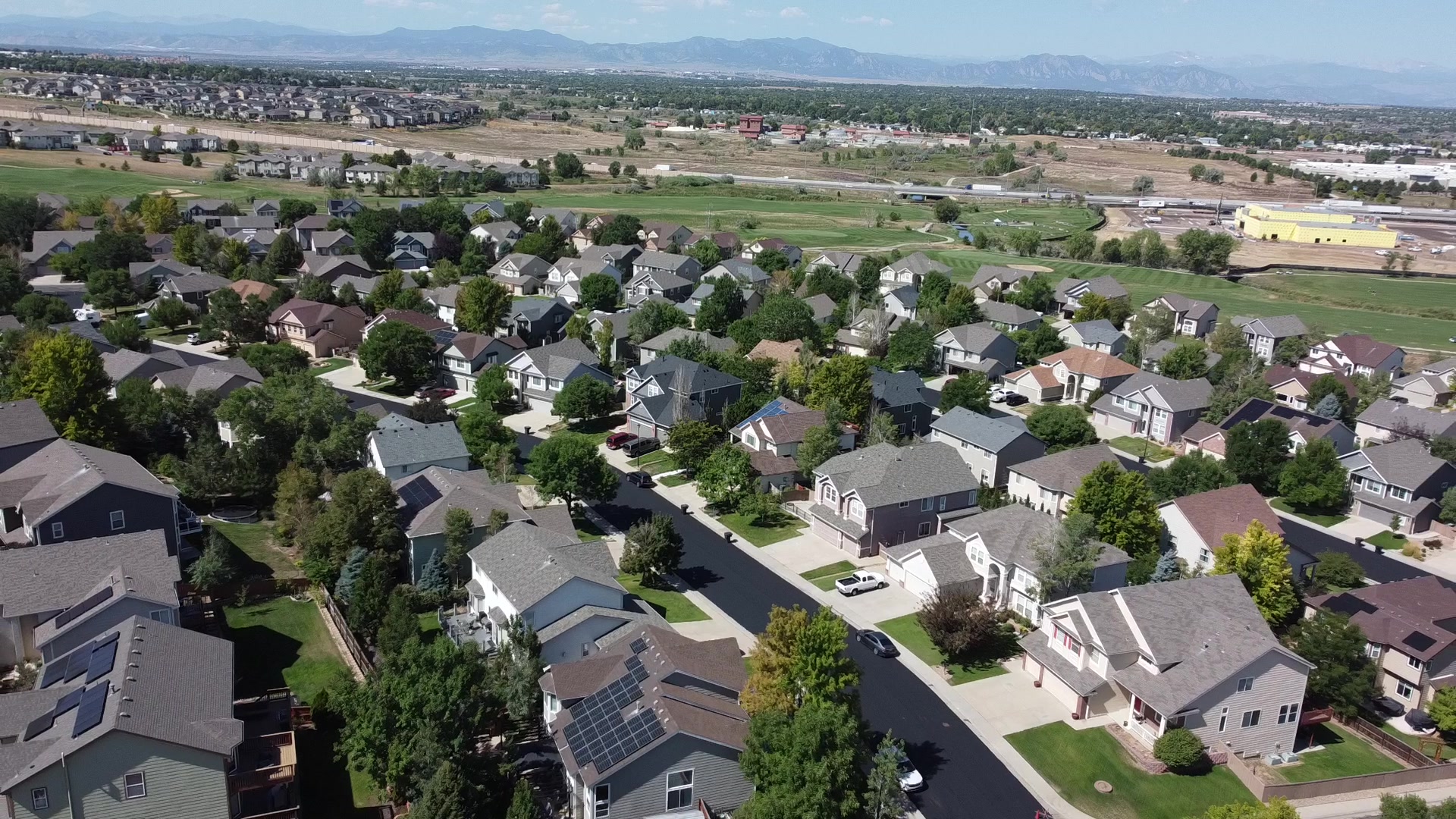
Here's the shape of it. Thornton started in 1953 when builder Sam Hoffman bought farmland off Washington Street and laid out the first fully planned community in Adams County, named for the sitting governor, Dan Thornton. It incorporated in 1956 at about one square mile, then kept annexing north; the population more than tripled in the 1970s alone and passed 141,000 by 2020, across about 36 square miles. That's why the city changes character every couple of miles: 1950s homes near 88th and Washington, 1970s and 1980s subdivisions through the 100s, 1990s and 2000s neighborhoods from 120th to 136th, and new construction from there past E-470.
Choosing a suburb isn't only about commute times and school ratings. It's about lifestyle, affordability and your tolerance for HOAs, and the north metro is a patchwork on all three. Thornton has all of it inside one city limit.
It suits people who want options, who commute down I-25 or on the N Line, and who like having Costco and the outlets ten minutes away. It suits people less well if they want a town with a center, a walk to the grocery store, or a single school district.
Why people choose Thornton
- A smorgasbord of houses: older bungalows, 1990s two-stories, new builds and master-planned communities
- Three N Line commuter rail stations and a roughly half-hour ride to Union Station
- I-25 the length of the city, E-470 across the north end, the Northwest Parkway to US 36
- Convenience: Denver Premium Outlets, Costco, Cabela's, Topgolf and Larkridge, all along I-25
- More than 2,500 acres of parkland, 140-plus miles of trails, two full rec centers and a new community center
What gives people pause
- No downtown. The city bought and cleared the original 1955 Thornton Shopping Center at 88th and Washington, but construction on a replacement isn't targeted until 2028. Don't buy on the promise of it.
- A car is king. Outside the newer self-contained developments, don't expect to walk to groceries or shops.
- Traffic around I-25 at 104th and 120th can be no joke, and Colorado Boulevard can become a parking lot at peak hours.
- Three school districts and dozens of metro districts; the tax bill and the school change across a street.
- Thornton's growth depends on a 70-mile water pipeline from the Poudre River that took years of permit fights. It's moving now, but water is a real topic here.
Where is Thornton, and how do you get around?
Thornton sits due north of Denver, roughly 10 miles from the State Capitol, with Northglenn to the west and Westminster to the southwest, Commerce City to the east, and Broomfield across I-25 at the north end. Elevation is about 5,200 feet. I-25 is the spine; E-470 crosses the north end and becomes the Northwest Parkway at I-25.
- Into Denver: I-25 south, or Washington Street and Colorado Boulevard from the south end. Short off-peak; at rush hour the ramps at 104th and 120th back up and I-25 is a real commute.
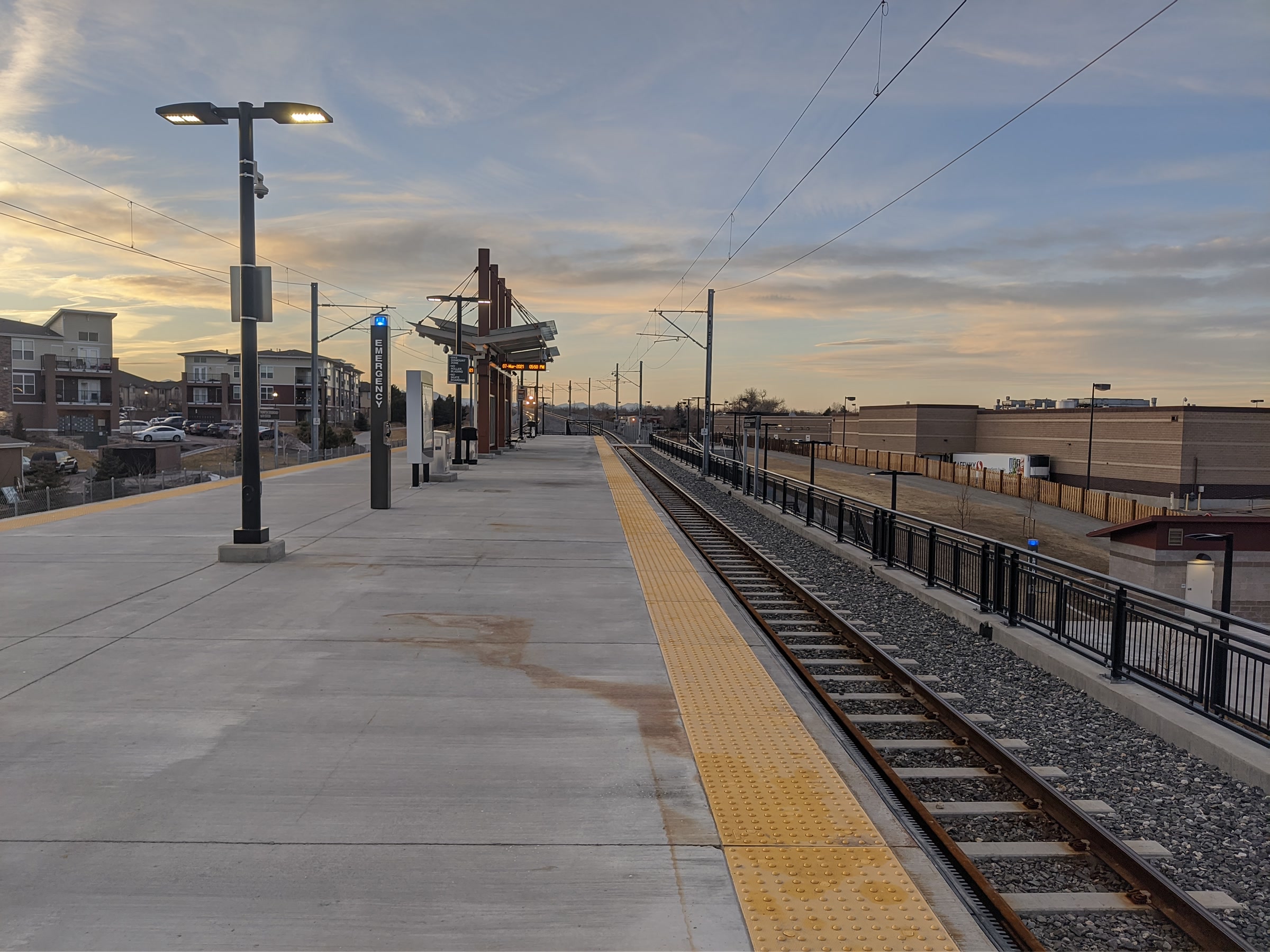
- Commuter rail: RTD's N Line opened in September 2020 and runs 13 miles from Eastlake/124th to Union Station in about 29 minutes, every 20 minutes at peak and every 30 off-peak as of 2026. Three stations are in Thornton: Original Thornton/88th (550 parking spaces), Thornton Crossroads/104th on Colorado Boulevard, and Eastlake/124th (410 spaces). Northglenn/112th is across the line in Northglenn, with Thornton neighborhoods across the street. The remaining 5.5 miles to York/144th and North Thornton/Highway 7 will be built "as funds become available," which RTD's planning puts around 2042. If you're buying north of 128th for the train, you're driving to Eastlake.
- The airport: RTD's 104L bus runs along 104th from the Wagon Road park-and-ride through Thornton Crossroads to Denver Airport Station in about 50 to 60 minutes, weekdays only (fall 2026 schedule). By car, E-470 to Peña Boulevard from the north end, or I-25 to I-70 from the south.
- Into Boulder: From the north end, Highway 7 (160th Avenue in Thornton) west, or the tolled Northwest Parkway to US 36. From the south, I-25 to US 36. Boulder is a real drive from anywhere in Thornton.
- The mountains: I-25 to I-70 west. Thornton is on the wrong side of the metro for a quick ski day.
What are Thornton's neighborhoods like?
The pattern is age by latitude: oldest in the south, newest near E-470. The ones buyers ask about most:
Original Thornton (88th and Washington)
Where Sam Hoffman started in 1953: brick ranches on modest lots, mature trees, no HOA, and the Original Thornton/88th station. The 15-acre Thornton Shopping Center that anchored it opened in 1955 and died slowly; the city took it by eminent domain in 2024, demolished it, and finished active cleanup of dry-cleaning solvent in the soil in September 2026 (groundwater treatment continues), with a goal of starting a mixed-use gathering place in early 2028. The new Thornton Community Center and Anythink library opened nearby on Eppinger Boulevard in October 2024. The most attainable way into the city, and the part that changes most if the 88th Avenue project happens. Mapleton or Adams 12 schools by address.
Thornton Parkway and the 100s
The 1960s through 1980s middle, roughly 92nd to 112th between Huron and Colorado Boulevard: split-levels, bi-levels and ranches, many without an HOA, close to Thornton Crossroads/104th, HCA HealthONE Mountain Ridge (formerly North Suburban) and the Carpenter Recreation Center. Traffic on 104th and Colorado is the daily tax.
Eastlake
A real town before Thornton existed. Andrew Patten platted Eastlake in 1901 and traded right-of-way to the Union Pacific to get a railroad through it; the 1920 Eastlake Farmers Co-Operative Elevator at 126th and Claude Court is on the National Register, and Thornton has annexed most of the land around it. The historic blocks sit by the Eastlake/124th station, the north end of the N Line, which is why the station has been such a big deal: around it they're starting to build some community, with a bit of walkability and some shops. One of the few spots in Thornton with a sense of place.
Hunters Glen and the 128th-to-136th corridor
The 1990s and 2000s subdivisions between Washington and Colorado Boulevard: Hunters Glen around its lake, Woodglen, Cherrywood, Skylake Ranch and their neighbors, with Adams 12's headquarters on 128th and Thorncreek Golf Club on Washington. Two-story family homes, HOAs in most of them, Trail Winds Recreation Center nearby. The suburban middle most relocating families tour first.
The E-470 corridor (136th to 160th)
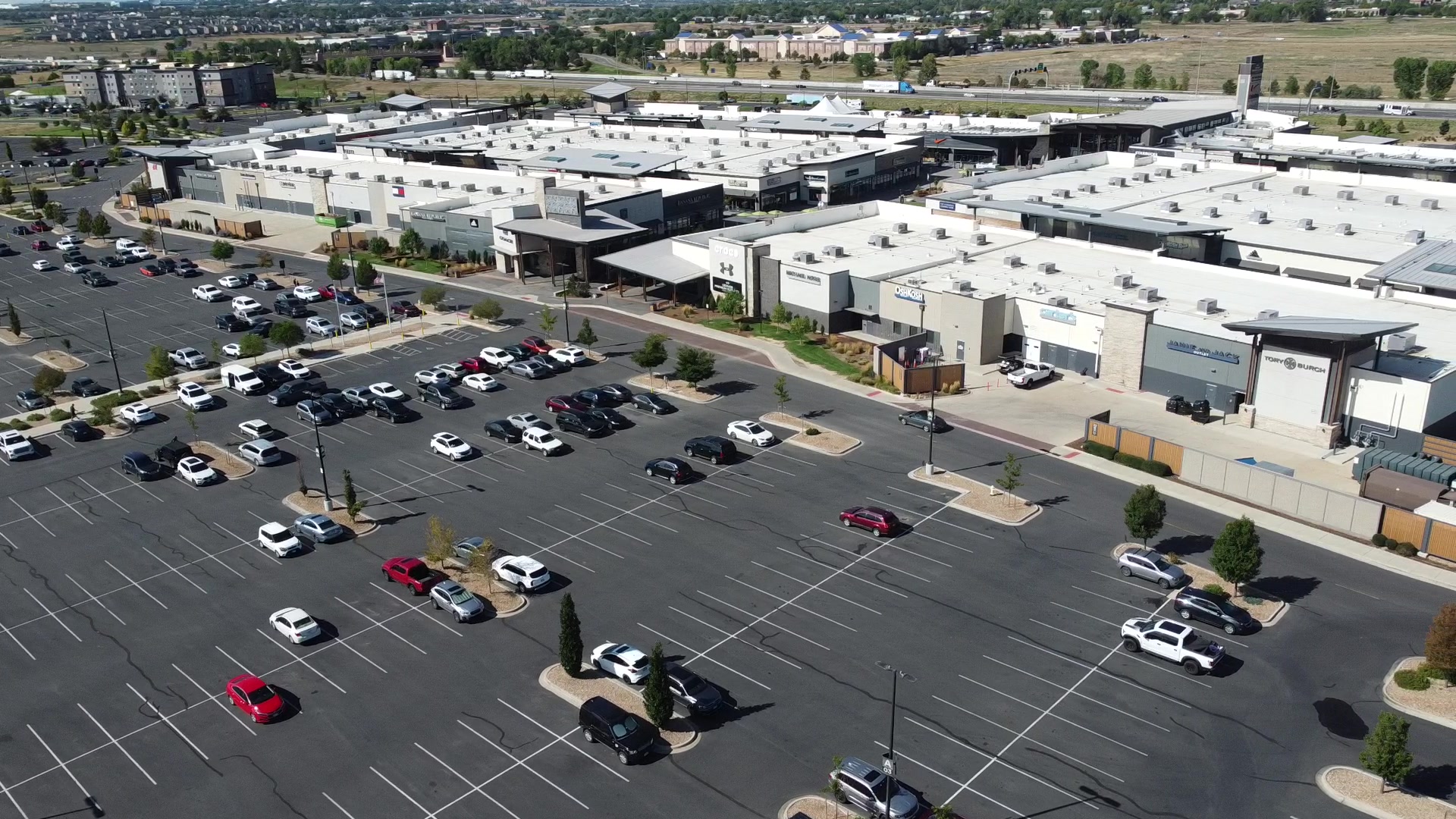
The retail and new-construction belt: Denver Premium Outlets at 136th, Cabela's at 144th, Costco, Larkridge and Topgolf at 160th, and 2000s-and-later subdivisions filling in between. Riverdale Ridge High School, in 27J, opened on Yosemite Street in 2018 to serve this side. Expect HOAs and metro districts, convenience, and noise from construction and I-25.
Heritage Todd Creek
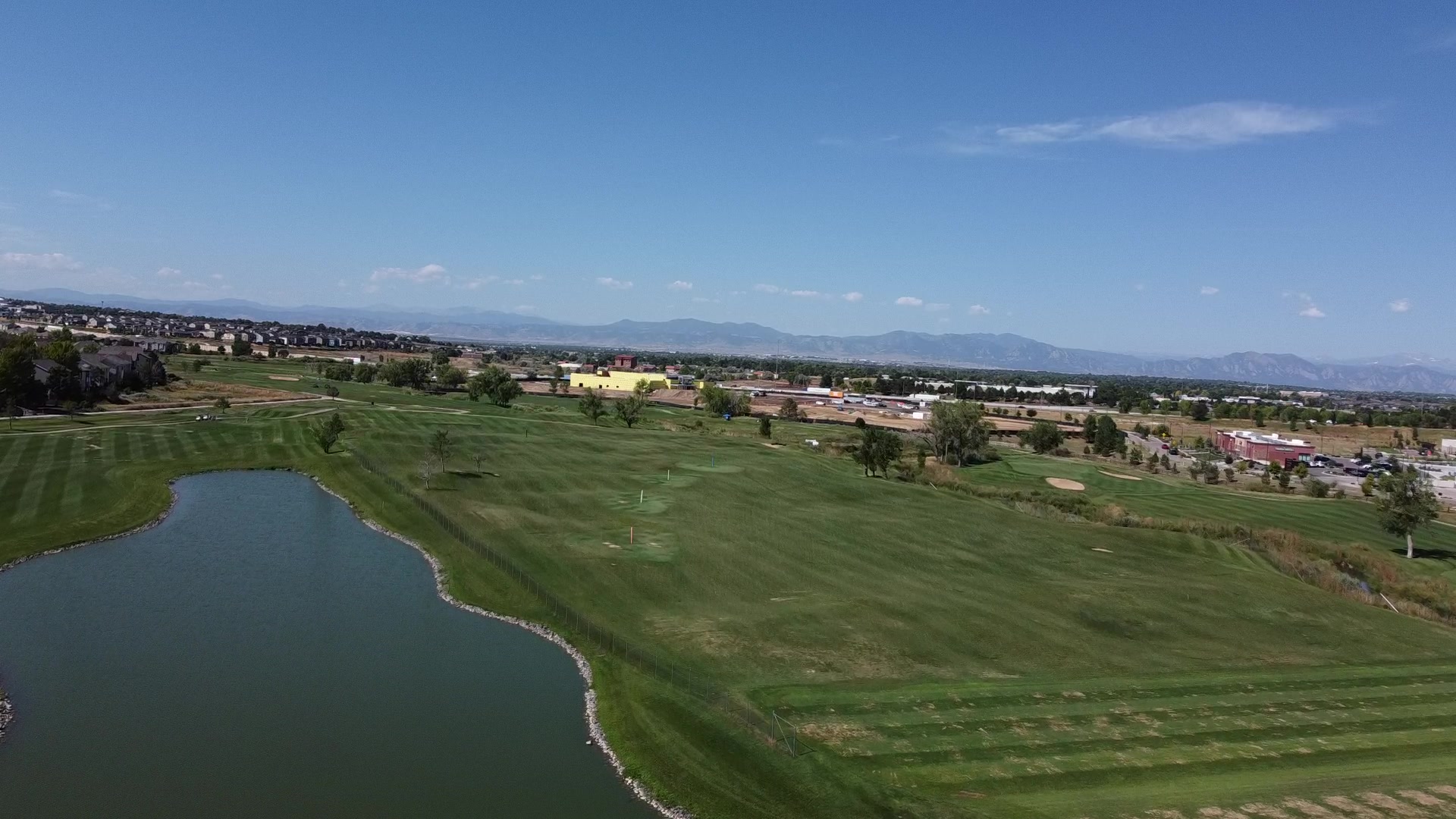
A neighborhood built around Todd Creek Golf Course, a semi-private Arthur Hills Signature course that opened in 2007.
North Thornton and Parterre
The newest master plans at the north end, including Parterre, a Hines master plan of almost 800 acres and nearly 3,000 homes between Holly and Quebec streets along the Todd Creek Greenway, with Lennar and Taylor Morrison building. Big sky, 27J schools, the long commute. The shiny new end of the city, and the part that depends most on the Thornton Water Project delivering.
What does it cost to own a home in Thornton?
Know the whole monthly payment, not just the price. Thornton-specific points:
- Property tax — Adams County assesses and collects for essentially the whole city. Pull the exact address on the Adams County Property Portal and look at every taxing authority on it.
- Metro districts — Thornton's newer neighborhoods are full of them: Washington 25, Bramming Farm, York Station, Sunrise, Thornton Crossing, Eastlake Reservoir Villas and dozens more. A metro district is a second property tax levy that paid for the roads and pipes in your subdivision, and it shows up on the county bill, not the HOA statement. It varies a lot; get it before you offer.
- HOA — Many newer neighborhoods sit in a metro district and have an HOA; check the address. Expect one on townhomes and condos. South Thornton and much of the 1970s middle often have none.
- Water — Thornton runs its own water utility and is building a 70-mile pipeline to bring Poudre River water it bought in the 1980s down from Larimer County. Larimer County rejected the permit in 2019, approved a shortened route in May 2024, a judge upheld it in July 2025, and that August the opposing group, Save the Poudre, said it would not appeal. Construction was underway as of 2025, with water delivery targeted for 2028 (city estimate, September 2025). The city says conservation alone won't cover growth, so expect a water bill that funds the project and watering rules in dry years.
- Insurance — Hail, as everywhere in the metro. Anything along Big Dry Creek or Grange Hall Creek deserves a flood-zone check.
- Sales tax — Thornton sets its own city sales tax; the city's finance pages have the current rate.
- Older-home costs — South Thornton homes can be 70 years old, and much of the middle is 1970s. Sewer lines, electrical panels, windows and expansive soils belong on the inspection list.
What kinds of homes are in Thornton?
Mostly single-family homes, from 1950s brick ranches in the south through 1970s split-levels, 1990s two-stories and new builds in the north. Townhomes and condos cluster around the N Line stations and in the newer master plans. Thornton has a bigger spread of ages, sizes and new construction than Northglenn or Westminster, which is why relocating buyers who don't know the metro yet often land here first.
How do schools work in Thornton?
Three districts, and the lines don't follow the city limits. Adams 12 Five Star Schools, headquartered on 128th in Thornton, covers most of the city and runs Thornton, Horizon, Mountain Range, Legacy and Northglenn high schools across its five cities, with about 36,000 students (2021–22). Brighton 27J covers the northeast, including Riverdale Ridge High School and the new neighborhoods along E-470 and north; 27J has run a four-day school week since 2018, still in place as of the 2026–27 school year, which matters for child care. Mapleton Public Schools, officially Adams County School District 1, covers the southwest around North Washington and Welby with about 7,100 students (2024–25) in small-by-design schools with no attendance boundaries, so families choose their school.
Two things follow. First, confirm the district with its own boundary lookup for the exact address, because a 27J address and an Adams 12 address can face each other across a street. Second, once you know the district, look at the specific school: its reviews, ratings and programs. All three districts have charter and choice options.
What is there to do in Thornton?
Parks, trails and rec centers
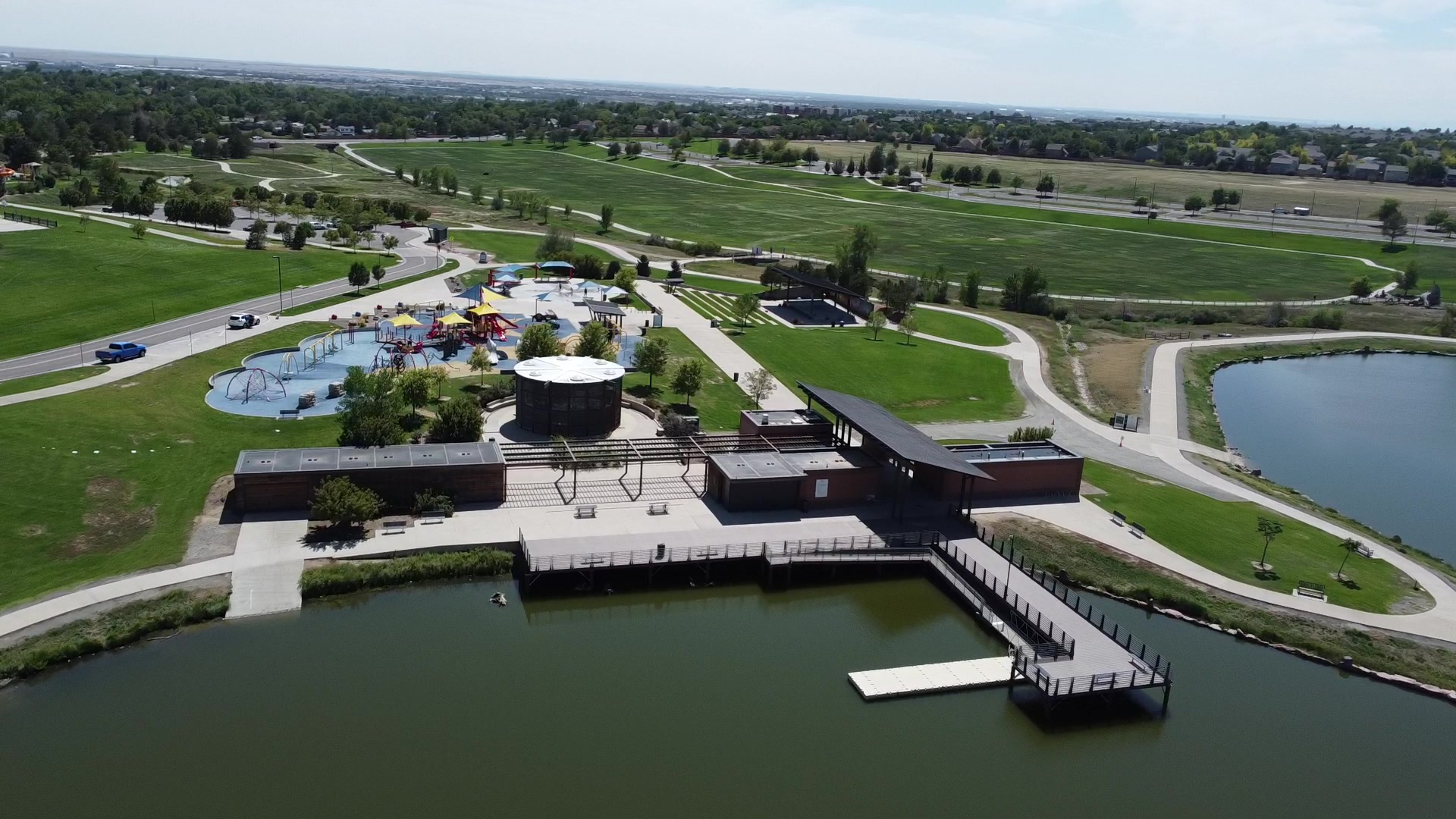
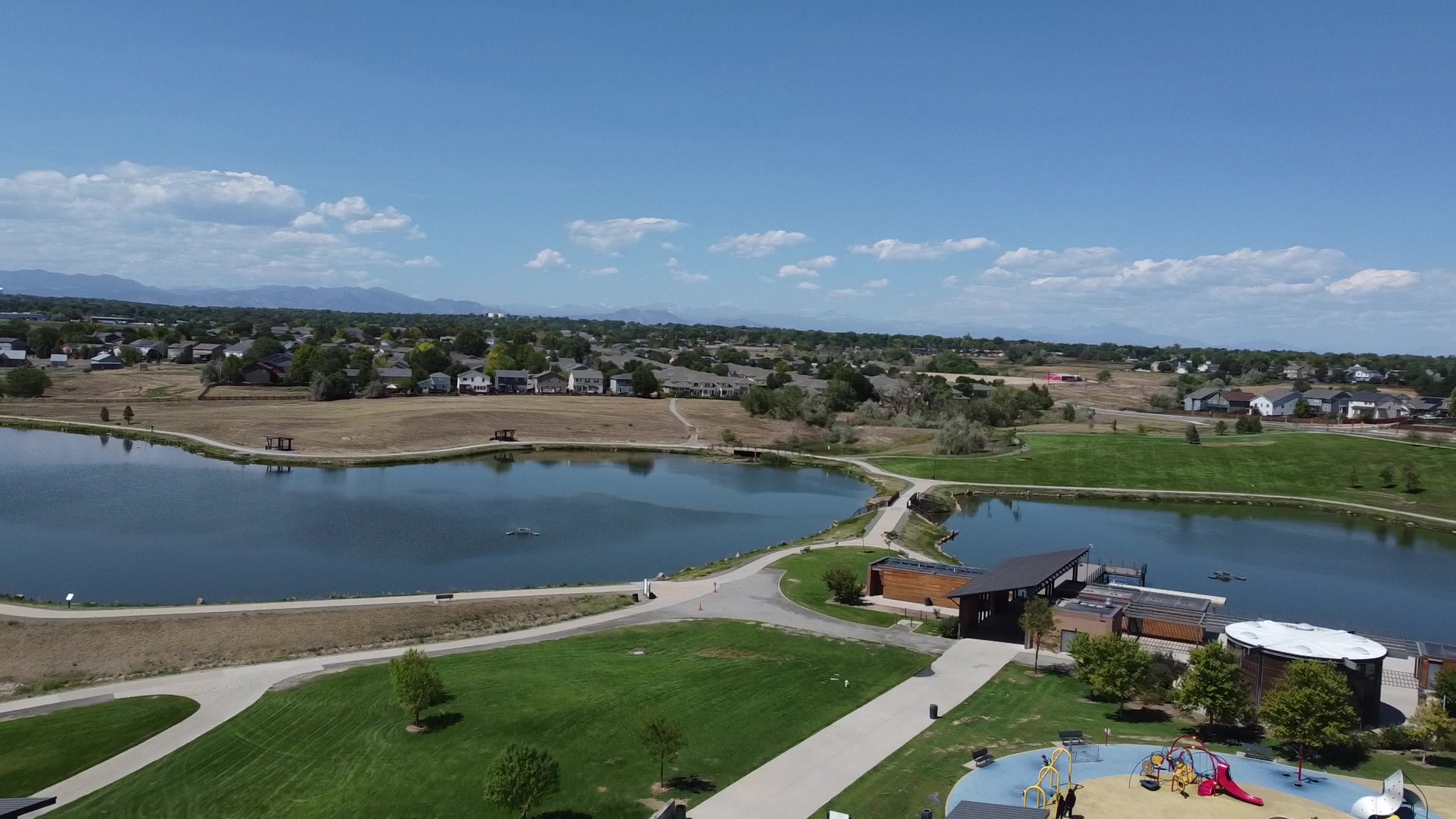
The city counts more than 2,500 acres of parkland and more than 140 miles of trails, with Big Dry Creek, Grange Hall Creek and the Farmers' High Line Canal among the trail corridors; Adams County's open-space sales tax has funded trail links, underpasses and park rebuilds here since 2000. The Carpenter Recreation Center at 112th and Colorado is the flagship, next to Carpenter Park's trails and the Harley Brown Amphitheater. It was renovated starting in 2020; amenities include a lazy river, wave pool, slides, a climbing wall, racquetball and an indoor track. Trail Winds Recreation Center, inside Trail Winds Park and Open Space on the north side, adds a second pool complex with a lazy river, a climbing wall and an elevated running track. The 2024 Thornton Community Center on Eppinger Boulevard gives the south end a gym, boxing gym, makerspace and a 10,000-square-foot Anythink library. Thorncreek Golf Club on Washington Street, an 18-hole public course from 1992, and the Heritage Todd Creek course are the two golf options.
Arts and events
The Thornton Arts and Culture Center on Dorothy Boulevard, open since 2011, has a free gallery and theater space and an annex with studios and classes. Fall brings Maize in the City and the Haunted Field of Screams, a 40-acre cornfield that calls itself the largest haunted attraction in the state.
Shopping and food
The thing Thornton does that its neighbors don't. Along I-25 between 136th and 160th you get Denver Premium Outlets, Costco, Cabela's, Topgolf and Larkridge, plus every chain restaurant known to man, whether that's your thing or not. People in Westminster and Broomfield pop over to Thornton for those conveniences. What you won't find yet is a dining district or a brewery row.
Three places to start
- Eastlake/124th station — Park, look at the grain elevator and the old town blocks, then at what's being built around the platform. The N Line changed the commute here, and this is where you see it.
- Carpenter Park and the Carpenter Recreation Center — The park, the amphitheater and the rec center in one stop; the best single picture of what Thornton's park money buys.
- I-25 from 144th to 160th — Cabela's at 144th, then Costco, Topgolf and the construction behind them. North Thornton's energy is completely different from 88th and Washington; drive both the same afternoon.
Who are the big employers in and near Thornton?
Thornton is more of a bedroom community than Broomfield or Westminster, but it has anchors. HCA HealthONE Mountain Ridge (North Suburban Medical Center until 2024), on Grant Street, was the only Level II trauma center in Adams County as of 2024. Amazon's 855,000-square-foot robotics fulfillment center, announced in 2017 with more than 1,500 full-time jobs, is the big private one. Adams 12 Five Star Schools runs its district from 128th Avenue, and the City of Thornton itself is a top employer. Google has operated a 105,000-square-foot data center on Grant Street since 2008, and in September 2026 the city council passed a temporary moratorium on new or expanded data centers while it writes rules on water and power use. Retail along I-25 fills out the local job base; for the rest, it's I-25 south to downtown, north to Broomfield's Interlocken, or the Northwest Parkway toward Boulder.
How does Thornton compare with nearby areas?
- Thornton vs. Northglenn — Northglenn is the last bastion of old Denver affordability: mid-century brick, big backyards, few HOAs and very little new construction. Thornton wraps around it with the same older stock in the south plus everything north of 120th that Northglenn can't offer.
- Thornton vs. Westminster — Westminster is the dual-commute champion between Denver and Boulder, with the rebuilt downtown, Standley Lake and the dog park. Thornton has three rail stations to Westminster's one, more new construction, and no downtown. Westminster can be surprisingly expensive for its age.
- Thornton vs. Broomfield — Broomfield is the polished corporate powerhouse, a city and county that feels designed on a spreadsheet, with top-ranked schools and strict HOAs, and an entry point significantly higher than Thornton's. Thornton trades polish for options.
- Thornton vs. Brighton and Erie — Brighton has larger lots, agricultural zoning and a true small-town downtown, with a longer commute. Erie up I-25 is the undisputed king of new growth, split between Boulder and Weld counties, with a construction-zone caveat. Thornton is closer to Denver than either.
A lender's take on Thornton
Thornton is a workhorse suburb that delivers convenience and options. There's a price point and a style for everyone, and you're never more than a 10-minute drive from the big conveniences. People who want to be within 10, 20, 30 minutes of Denver and keep their options open end up here for good reasons.
The honest trade is identity. South Thornton near Denver and north Thornton near E-470 are completely different places that share a city hall, and nothing in the middle ties them together yet. You'll need a car. You'll do homework on three school districts and whichever metro district your subdivision sits in. And the city's next twenty years of growth ride on a pipeline from the Poudre River. None of that is a knock on the houses. It's a reason to know which Thornton you're buying.
Thornton and Lakewood, if you're listening to me: build a downtown. We really want one.
Buying in Thornton: what to do first
- Get pre-approved before you tour. Established neighborhoods move fast, and builders in the north have their own timelines.
- Pull the exact address on the Adams County Property Portal and list every taxing authority. If there's a metro district, get the levy before you offer.
- Price the whole payment: property tax, metro district, HOA, insurance and Thornton water.
- Do the school test. Confirm Adams 12, 27J or Mapleton for the address, check whether a four-day week fits your household, then look at the specific school.
- Do the lifestyle check. Ride the N Line from the station you'd actually use, drive I-25 at 104th or 120th at 5 p.m., and if you're buying north of 136th, drive it on a weekday morning.
- Veterans: a VA loan works on a 1955 Original Thornton ranch, a townhome by the Eastlake station, or a new build in Parterre, including builder contracts. Tell me early if it's a condo or in a metro district so the payment is right the first time.
In pictures

Watch the videos
Help shape what Jimmy films next
Which town should Jimmy cover next, and what do you still want to know? Tell us, and we'll email you when the guide and video are out.
Thank you — this genuinely helps. We'll let you know when it's ready.
Frequently asked questions
Is Thornton part of Denver?
No. Thornton is its own city, incorporated in 1956, with about 142,000 residents at the 2020 census across roughly 36 square miles directly north of Denver. It is the sixth-largest city in Colorado.
What county is Thornton in?
Adams County, for essentially every home. The city's land reaches slightly into Weld County at the north end. Adams County assesses property, collects property tax and runs the Property Portal where you can see every taxing district for an address.
What school district is Thornton in?
Three, depending on the address: Adams 12 Five Star Schools for most of the city, Brighton 27J for the northeast and the newer neighborhoods along E-470, and Mapleton Public Schools for the southwest. Boundaries don't follow city lines; confirm with the district before you buy.
Does Thornton have light rail?
Thornton has commuter rail: RTD's N Line, opened in 2020, with stations at Original Thornton/88th, Thornton Crossroads/104th and Eastlake/124th. The ride from Eastlake to Union Station takes about 29 minutes, with trains every 20 minutes at peak as of 2026. The planned extension to 144th and Highway 7 is unbuilt and unfunded as of fall 2026.
Does Thornton have a downtown?
No. The city bought the original 1955 Thornton Shopping Center at 88th and Washington in 2024, demolished it, and finished active cleanup of the site in September 2026, with a goal of starting construction on a mixed-use gathering place in early 2028. Until then, the Eastlake station area is the closest thing to a walkable center.
What is the Thornton Water Project?
A 70-mile pipeline that will bring Poudre River water Thornton bought in the 1980s from Larimer County through Weld County to the city's treatment plants in Adams County. Larimer County denied the permit in 2019, approved a shortened route in May 2024, and a court upheld that approval in 2025; construction was underway as of 2025, with water delivery targeted for 2028 (city estimate, September 2025).
Do most Thornton homes have an HOA or metro district?
Many newer neighborhoods sit in a metro district, with a separate property tax levy, and have an HOA; check the address. Original Thornton and much of the 1970s middle of the city often have neither.
Take this guide with you
Get the printable PDF version to read offline, share with your family or mark up on your scouting trip. Enter your name and email and it's yours.
Thanks! Your guide is ready.
Download the PDFNo spam. Jimmy may follow up personally to see if you have questions about the move.
Sources
Guide reviewed October 24, 2026, and reviewed again twice a year.
- Thornton, Colorado (2020 population, rank, counties, area, elevation, Sam Hoffman and 1956 incorporation, growth by decade, school districts, parks and golf, shopping centers, E-470, 2024 population estimate of 146,689)
- 9News Colorado Guide: This community north of Denver is home to a massive Halloween attraction (Adams and Weld counties, 36.88 square miles, incorporation at about one square mile, Margaret Carpenter, Haunted Field of Screams, Maize in the City)
- Forgotten Past of Adams County: Thornton (Hoffman, Eppinger and McElwain land, naming after Gov. Dan Thornton, 1956 incorporation, 1971 annexations)
- City of Thornton: Parks and Planning (2,500-plus acres of parkland, 140-plus miles of trails, Carpenter pavilions, Harley Brown Amphitheater, Thorncreek Golf Course, park list)
- City of Thornton: Carpenter Recreation Center (11151 Colorado Blvd., amenities, holiday hours for Trail Winds and the Community Center)
- City of Thornton: Arts and Culture (Thornton Arts and Culture Center, 9209 Dorothy Blvd., opened 2011, gallery and theater, annex)
- City of Thornton: Public Transit (N Line service, bus routes including 104L)
- City of Thornton: Approved Ordinances (2026 zoning amendments, annexation, data center moratorium readings)
- City of Thornton: Data Center Moratorium ordinance (first reading Sept. 8, 2026; second reading Sept. 22, 2026)
- Westminster Window: Google data center is the lone facility of its kind in Thornton (July 2026; 12396 Grant St., since 2008, 105,000 sq ft, council moratorium discussion)
- Northglenn-Thornton Sentinel: Thornton council mulling a six-month data center ban (July 2026)
- Mile High CRE: Thornton Recreation Center to undergo $13M renovation (Margaret W. Carpenter Recreation Center, 2020 scope)
- Saunders Construction: Thornton Trail Winds Recreation Center (inside Trail Winds Park and Open Space; pools, lazy river, slides, climbing wall, elevated track)
- Anythink Libraries: Anythink and City of Thornton announce Thornton Community Center project partnership (2211 Eppinger Blvd., 40,000 sq ft, 10,000 sq ft library, gym, boxing gym, makerspace)
- Macaroni KID Thornton: Grand opening of Thornton's new Community Center and Anythink library (Oct. 26, 2024)
- Adams County: Open Space Sales Tax grants to Thornton (trail, underpass, park and community center projects, 2000 to 2026; Big Dry Creek, Grange Hall Creek and Farmers' Highline Canal trail corridors)
- Adams County Assessor (Property Portal, Brighton office, taxing authorities)
- City of Thornton 311: Property taxes (Adams County is the taxing and collecting authority)
- Washington 25 Metropolitan District Nos. 1 to 4 (Thornton)
- Bramming Farm Metropolitan District No. 1 (Thornton)
- York Station Metropolitan District (Thornton)
- Eastlake Reservoir Villas Metropolitan District (Thornton)
- City of Thornton: Sunrise Metropolitan District notice
- City of Thornton: Thornton Crossing Metro District public hearing notice
- City of Thornton: Thornton Shopping Center Redevelopment (active remediation certified substantially complete Sept. 29, 2026; groundwater treatment and monitoring continue)
- BusinessDen: Hopes of revitalization for a derelict Thornton shopping center (2026; 15 acres at 88th and Washington, opened 1955, 2024 eminent domain, remediation, 2028 construction target)
- N Line (RTD) (18.5 miles, 13 open, opened Sept. 21, 2020, stations, proposed York/144th and North Thornton/Hwy 7 for 2042)
- RTD: N Line facts and figures (13 miles, 20-minute peak and 30-minute off-peak frequency, parking, remainder as funds become available)
- Denver7: The N Line, RTD's newest commuter rail corridor, set to open Monday (about 29 minutes for 13 miles)
- Original Thornton/88th station (8989 Welby Rd., 550 spaces)
- Thornton Crossroads/104th station (10375 Colorado Blvd.)
- Northglenn/112th station (the only RTD rail station within Northglenn; at Northglenn's far eastern edge, with Thornton across the street)
- Eastlake/124th station (12500 Claude Ct., 410 spaces, northern terminus)
- RTD: Route 104L Wagon Road / Denver Airport Limited schedule (fall 2026; weekday trips of about 50 to 62 minutes, effective Sept. 27, 2026)
- E-470 (47-mile toll road, all-electronic tolling, northern end at I-25 in Thornton, Peña Boulevard interchange)
- Northwest Parkway (9-mile toll road from I-25/E-470 to US 36, opened 2003)
- Colorado State Highway 7 (Boulder to I-25 as Baseline Road, 160th Avenue east of I-25)
- Colorado Sun: Thornton's water pipeline through Larimer County can proceed, judge rules (July 2025; $485 million, 70 miles, 21 miles complete, 2019 denial, May 2024 approval)
- Colorado Sun: Environmental group drops challenge to Thornton pipeline (Aug. 2025; Save the Poudre will not appeal, five-decade effort, 1980s water purchases, construction underway in Weld)
- Denver7: Larimer County commissioners approve final piece of 70-mile Thornton pipeline project (May 2024; unanimous vote, water possibly by end of 2027)
- CBS Colorado: Thornton pipeline construction in Northern Colorado (Sept. 20, 2025; city hopes to deliver water by 2028)
- Thornton Water Project (official site; 70-mile pipeline, Larimer, Weld and Adams counties, construction in Adams and Weld, supply beyond 2050)
- Adams 12 Five Star Schools (communities served, 36,078 students in 2021–22, high schools, 1500 E. 128th Ave. headquarters)
- School District 27J (communities served including Thornton, Riverdale Ridge High School, four-day week since 2018)
- 27J Schools: Four-Day School Week (classes Tuesday through Friday; page current as of August 2026)
- Mile High CRE: New high school in Thornton opens for first day of school (Riverdale Ridge, 13380 Yosemite St., 27J, 2018)
- Mapleton Public Schools (Adams County School District 1, Thornton and Welby, 7,095 students in 2024–25, small-by-design schools without attendance boundaries)
- Eastlake, Colorado (post office 1912, annexed by Thornton, N Line terminus)
- Forgotten Past of Adams County: Eastlake (Andrew Patten, 1901 township, Union Pacific, grain elevator, Thornton annexation)
- Eastlake Farmers Co-Operative Elevator Company (126th and Claude Ct., built 1920, National Register 2010)
- Colorado AvidGolfer: Todd Creek Golf Course (8455 Heritage Dr., Thornton; semi-private Arthur Hills Signature course, 2007)
- Multi-Housing News: Hines, Trez Capital break ground on Denver community (Parterre, almost 800 acres, almost 3,000 homes, Todd Creek Greenway, Lennar and Taylor Morrison)
- Connect CRE: Hines, Trez acquire 765 acres near Denver for residential, mixed use (Parterre site between Holly and Quebec streets in Thornton)
- Colorado AvidGolfer: Thorncreek Golf Club (13555 Washington St., public, 18 holes, opened 1992)
- MR Magazine: Simon opens Denver Premium Outlets (Oct. 2018; 330,000 sq ft at I-25 and 136th)
- BizWest: Costco to open big box at I-25 and E-470 (2006; Larkridge South)
- VMSD: Cabela's adding two stores (90,000 sq ft Thornton store along I-25, 2013)
- Cabela's Thornton store page (14050 Lincoln St., at I-25 and 144th Ave.)
- Denver7: Topgolf is hiring hundreds for new location in Thornton (I-25 and East 160th, 2019)
- HealthONE: North Suburban Medical Center welcomes new president (April 2024; only Level II trauma center in Adams County, HCA HealthONE)
- HCA HealthONE: New name uniting care sites (Oct. 1, 2024; North Suburban Medical Center renamed HCA HealthONE Mountain Ridge)
- HCA HealthONE Mountain Ridge location page (9191 Grant St., Thornton)
- Amazon: New fulfillment center planned in Thornton (June 2017; 855,000-plus sq ft, 1,500-plus full-time jobs, first Amazon Robotics facility in Colorado)
- Westminster, Colorado (bordered to the northeast by Thornton; Westminster Station, B Line terminus, is its rail station)
- Destination Denver Colorado: The Best Suburbs North of Denver | Moving to Colorado (July 2025)
Photo credits
- Platform at the Thornton Crossroads–104th N Line station. Photo: Terrien / CC BY-SA 4.0, via Wikimedia Commons.
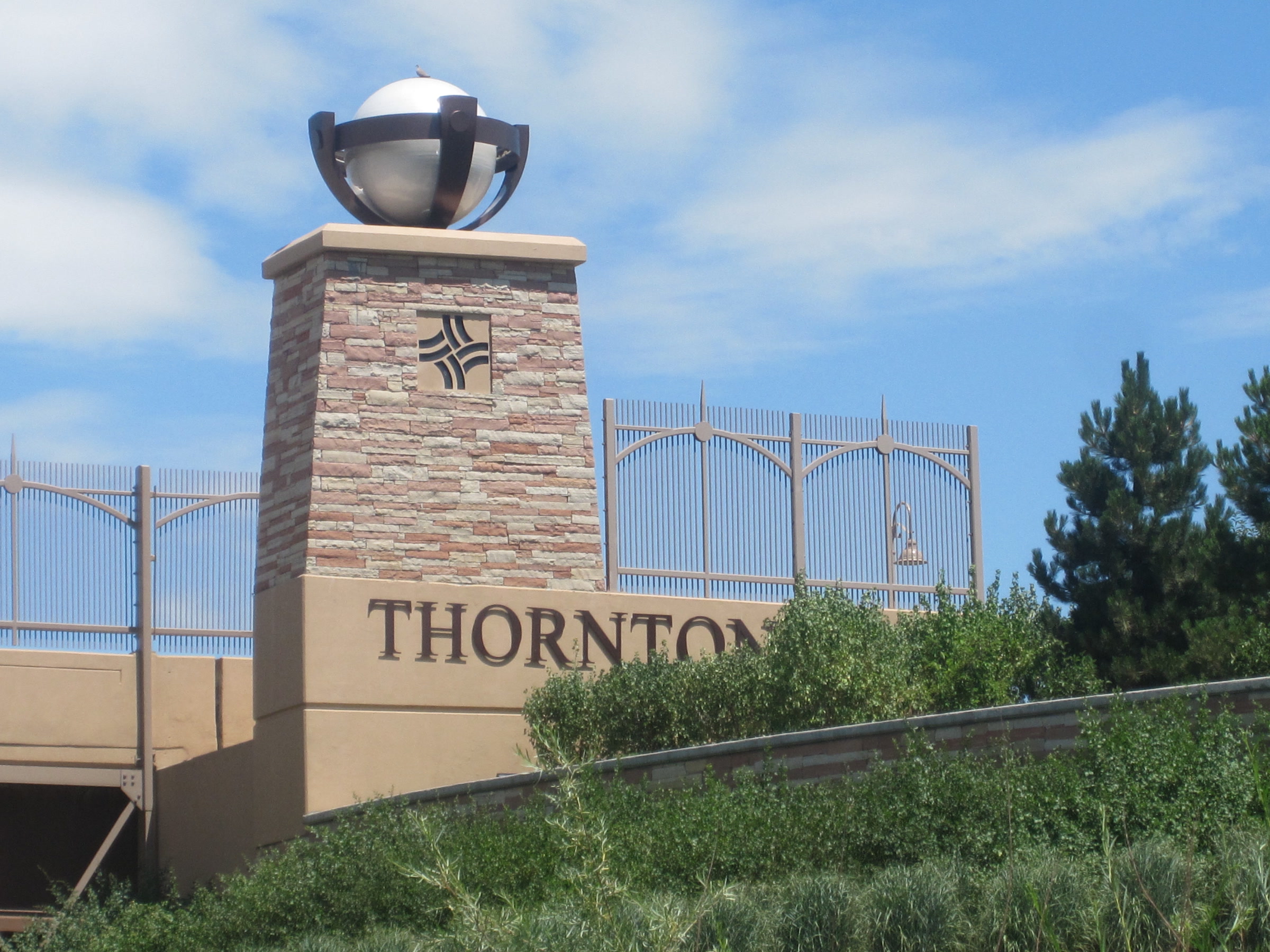
- Thornton welcome sign. Photo: Billy Hathorn / CC BY-SA 3.0, via Wikimedia Commons.
- All other photos: Jimmy Everetts / Destination Denver Colorado.
Thinking about moving here?
Ask Jimmy anything about the area, the neighborhoods or the move itself. No pressure, just straight answers from a local.


