


University and University Park
The short answer
University and University Park are two official Denver neighborhoods around the University of Denver, in south Denver just off I-25. University Boulevard is the line between them. Homes run from single-family houses, bungalows and Craftsman-style homes to townhomes, apartments and campus housing. RTD light rail stops at University of Denver Station on Buchtel Boulevard, and I-25 connects the area to the rest of the metro at University Boulevard.
Watch: Jimmy's video on this area
What is living in University and University Park like?
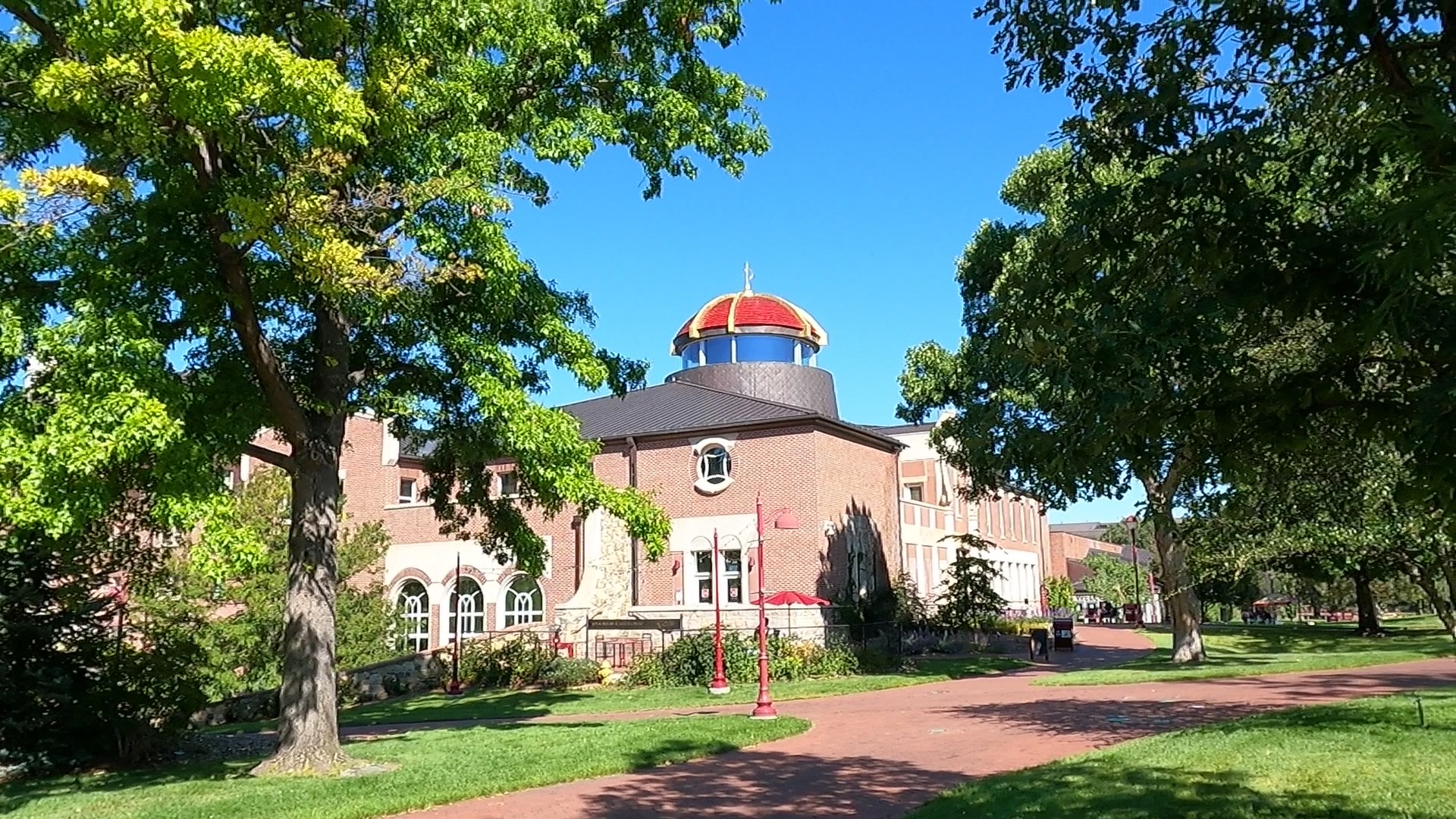
University and University Park wrap around the University of Denver, and it's a beautiful campus. Walkability is moderate. Close to the university you'll see campus housing and university buildings. Beyond that, the area is mostly tree-lined residential streets with small commercial districts.
Start with the names, because they're easy to mix up. University and University Park are two of Denver's statistical neighborhoods, the official map the city uses for planning. University Park is the neighborhood's name, not a city park. The park to know here is Observatory Park, which is also a name you'll hear for the blocks around it. University Hills is a different official neighborhood, farther southeast. This guide covers University and University Park. If you're still choosing a part of the metro, start with the Denver relocation guide.
What draws people here
- The campus. The university's Chester M. Alter Arboretum has about 2,100 trees as of 2026, including 10 state champions.
- Observatory Park. A park of about 10 acres with Chamberlin Observatory at its center.
- Rail at the campus. University of Denver Station sits at the north end of campus.
- A direct highway exit. University Boulevard is Exit 205 on I-25.
- Campus events. The university invites neighbors to public lectures, athletic events and artistic performances.
- Tree-lined streets. Many blocks have one-story houses set on spacious lawns.
What gives people pause
- Event days. Magness Arena at the Ritchie Center hosts hockey and gymnastics and has seating for concerts. The university points event visitors to its paid lots, but see the block on an event night before you make an offer.
- Parking near campus. On-campus parking runs on hourly rates or permits. Off campus, read the posted signs on any block you're considering.
- Scrapes and pop-tops. Older homes here are often enlarged, and some are torn down and replaced with larger ones. The house next door can change after you buy.
- Historic review. Some properties are in the University Park Historic District, which adds exterior rules. The list is scattered, so check the address.
- Older systems. An older house can mean an old sewer line, water line and foundation.
- I-25. The highway forms the northern edge of the University neighborhood. Visit a block near it at rush hour.
- Rail isn't everywhere. The station is at the north end of campus, so blocks farther south and east are a longer trip to it.
Where are University and University Park, and how do you get around?
The area sits in south Denver, just off I-25 at University Boulevard. The University neighborhood runs from the highway south to the Englewood line, and University Park lies to the east. As of fall 2026, RTD's Downtown Rail Reconstruction Project has changed some light rail service, so confirm your trip with RTD before you count on it.
- Into downtown: Take I-25 north, or take light rail from University of Denver Station to Union Station.
- Into the Tech Center: I-25 runs south and cuts through the Denver Tech Center between Belleview Avenue and Dry Creek Road. Light rail also runs south from University of Denver Station.
- Transit: University of Denver Station is at 1901 E. Buchtel Blvd., on Buchtel at High Street. As of fall 2026 it has a park-n-ride, bike racks, bike lockers and a connection to RTD's Route 24 bus. Check RTD for current parking rules.
- The airport: The airport train leaves from Union Station, so plan on connecting there.
- The mountains: Take I-25 north to the Mousetrap interchange, then I-70 west, the direction of Grand Junction.
Where do University and University Park start and stop?
The official lines come from Denver's statistical neighborhoods, the 78 neighborhoods the city uses for planning and administration. The system dates to 1970, when planners grouped census tracts into statistical neighborhoods, and most haven't changed since. Observatory Park isn't one of those official names.
University
The city's boundaries for this neighborhood are I-25 on the north, Downing Street on the west, University Boulevard on the east and the Denver-Englewood line on the south. Part of the University of Denver campus lies inside it, and so does University of Denver Station.
University Park
University Park sits next to the campus, east of University Boulevard. It shares borders with University, Cory-Merrill, University Hills and Wellshire. Observatory Park and Chamberlin Observatory are here, a few blocks east of campus. Use Denver's map for the rest of its street lines.
Observatory Park
This is a park, and it's also a name for the blocks around the park. Observatory Park is a small area with few homes. The park sits inside University Park, so check the city's map for any home marketed under this name.
Nearby areas often confused with it
University Hills is the classic mix-up. It's a separate official neighborhood that borders University Park, and it's farther southeast. Part of it is within walking distance of the Yale light rail station. University also touches Platt Park, Rosedale and Washington Park. Wellshire touches both neighborhoods, and Cory-Merrill borders University Park. Run the address through Denver's map before you rely on a name in a listing.
What does it cost to own a home in University and University Park?
Prices and tax amounts change, so this guide tells you where to look them up. These are the costs that apply here.
- Property tax: Denver's property search shows assessment and tax data by address, parcel ID or schedule number. The city warns that other charges, such as maintenance district and service lien fees, may not show there during December and early January, so confirm the amount due with the city.
- Historic district rules: City Council approved the University Park Historic District in April 2024. It's a discontiguous district, not a solid block of homes: about 19 properties separated by many blocks. They include Observatory Park, Chamberlin Observatory, Fitzroy Place, the Holland House, University Park United Methodist Church and the Buchtel Bungalow. Parking lots and newer buildings were left out, and more homes can be added later. If a property is inside the district, its exterior has to be maintained, and a roof replacement needs design review, while painting and storm windows don't.
- Sidewalk fee: All Denver property owners pay it, whether or not their block has a sidewalk. As of its 2025 rollout, it's on the municipal stormwater bill in two installments, and properties with a lot of street frontage pay more. Owners still have to clear snow, ice and debris.
- Trash and recycling: Denver's trash fee started in 2023 for buildings with seven or fewer units, and it's set by cart size. Owners are responsible for the charge. Confirm the current setup with the city.
- Older-home systems: Denver Water's address map shows a property's risk of lead in drinking water, and its Lead Reduction Program replaces lead service lines with copper. Customers own the service line that runs from the street main to the house. Radon can enter a home from the soil beneath it, so test for it. Get a sewer scope on any older house.
- HOA or condo dues: If a townhome or condo has an association, find out what the dues cover and who pays the stormwater bill. When an HOA handles that bill, it also handles the sidewalk fee.
- Parking: If you're counting on street parking near campus, find out whether the block has permit rules and what a permit costs.
- Flood insurance: The East Harvard Gulch Trail passes parks in this area. If a home is close to the gulch, ask your insurance agent whether it's in a mapped flood zone.
What kinds of homes are in University and University Park?
The mix runs from apartments and townhomes to bungalows and Craftsman-style homes. University Park is almost entirely single-family, and many houses near the campus are one-story on spacious lawns. Many older homes have been enlarged or replaced with larger, more modern ones, so a small house can sit next to a much bigger one. Two older homes show the range: Fitzroy Place is a three-story mansion from the 1890s, and the Buchtel Bungalow is a Craftsman-style home built between 1906 and 1907.
The layout goes back to the university's move. Colorado Seminary, founded in 1864 by John Evans and other Denver citizens, added the name University of Denver in 1880. In 1886 its trustees chose land offered by Rufus Clark's group, 150 acres three miles southeast of the city limits. The founders wanted a "university park," a planned setting away from downtown, and Clark's conditions included planting trees, laying out a street grid and barring alcohol from being made or sold in the area. An electric rail line reached the area in 1889, and the school moved in the fall of 1892.
How do schools work in University and University Park?
Both neighborhoods are in Denver Public Schools. In some parts of Denver, DPS uses enrollment zones instead of a single assigned school. Living in a zone guarantees a seat at one of several schools, not one particular school. Whether that applies depends on the address, so enter each home you're considering into DPS's School Finder. DPS also has a SchoolChoice hotline and zone guides.
What is there to do in University and University Park?
Parks, trails and open space
Observatory Park is the one to know. It has a softball field, tennis courts, a playground and picnic areas, and the observatory stands in the middle of it. Robert H. McWilliams Park is known locally as Dinosaur Park for the large purple dinosaur on its playground. It also has a basketball court and easy access to the East Harvard Gulch Trail. DeBoer Park, with its own playground, is on the same trail.
The campus works as open space too. Its trees form the Chester M. Alter Arboretum, and the university publishes a tree walk guide.
Events
Campus sets the calendar. The Ritchie Center at 2240 E. Buchtel Blvd. is home to Denver Pioneers athletics, with hockey and gymnastics at Magness Arena, and volleyball and basketball at Hamilton Gymnasium. The Newman Center for the Performing Arts is the university's venue for music and theater.
Chamberlin Observatory has held public nights since 1894. The Denver Astronomical Society hosts them, seating is limited and you have to register in advance. The society also runs free monthly open houses with small telescopes on the lawn, with no registration.
Food and shops
Dining here concentrates along South University Boulevard and East Evans Avenue. As of 2026, that includes Kaladi Coffee Roasters and Pete's University Park Cafe. The first Chipotle Mexican Grill is in the University neighborhood.
Outside these lines, South Pearl Street, South Gaylord Street and Cherry Creek Shopping Center are the shopping areas the university points visitors to.
Three places to start
- Chamberlin Observatory — An 1891 Richardsonian Romanesque building at 2930 E. Warren Ave., designed by Robert S. Roeschlaub and listed on the National Register. It houses a 20-inch refracting telescope.
- Chester M. Alter Arboretum — The trees across the University of Denver campus. Start with the tree walk guide.
- Newman Center for the Performing Arts — Music and theater on campus. Its garage is off East Wesley Avenue.
Who are the big employers in and near University and University Park?
The University of Denver is the institution to know here, with the Ritchie Center and the Newman Center on campus. Other job centers sit outside the boundaries. Downtown is north by I-25 or light rail, and the Denver Tech Center is south on I-25. Employer rosters change, so treat these as places to look rather than a ranked list.
How do University and University Park compare with nearby areas?
- University vs. Platt Park — Downing Street is University's western line, and Platt Park shares a border with it. Platt Park is known for Old South Pearl Street. University is anchored by the campus.
- University vs. Rosedale and Wellshire — Both share a border with University, and Wellshire also touches University Park. The campus and University of Denver Station are on the University side.
- University Park vs. Cory-Merrill — They share a border. University Park has Observatory Park and properties in the scattered historic district.
- University Park vs. University Hills — The names are close, but these are separate official neighborhoods that share a border. University Hills is farther southeast, with the Yale light rail station within walking distance of part of it.
Buying in University and University Park: what to do first
- Get pre-approved before you tour. An older house, a large rebuild and a townhome are different purchases, so know your numbers first.
- Confirm the neighborhood. Check the address against Denver's map, since University, University Park and University Hills are easy to blur together.
- Pull the records. Use Denver's property search, then ask about charges that may not show there. Read your title paperwork too. Some older south Denver deeds and mortgages have carried covenants against making or selling alcohol on the premises, a holdover from the land deal that brought the university here.
- Inspect for the home's age. Get a general inspection, a sewer scope and a radon test, and run the address through Denver Water's lead map.
- Check the address. Find out whether the property is in the University Park Historic District. Then check the block's parking signs and DPS's School Finder, and ask your insurance agent about flood zones.
- Veterans: A VA loan comes with minimum property requirements, because VA has to make sure a financed home is suitable for dwelling purposes. Those requirements can bring defects or maintenance issues into the open, so go through an older home carefully before the appraisal. If you'd like a read on current pricing for the blocks you're considering, reach out and I'll walk you through it.
In pictures


Watch the videos
Help shape what Jimmy films next
Which town should Jimmy cover next, and what do you still want to know? Tell us, and we'll email you when the guide and video are out.
Thank you — this genuinely helps. We'll let you know when it's ready.
Frequently asked questions
Is University Park an actual park?
University Park is a Denver neighborhood. The park to know there is Observatory Park, home to Chamberlin Observatory, and Observatory Park is also a name for the blocks around that park.
Is the University of Denver in University or University Park?
Part of the campus lies in the University neighborhood, which ends at University Boulevard on the east. University Park sits next to the campus on the east side of the boulevard.
Is University Hills the same as University Park?
No. They're separate official Denver neighborhoods that share a border. University Hills is farther southeast.
Is there light rail in University and University Park?
University of Denver Station is on Buchtel Boulevard at High Street, at the north end of campus. Service is changing during RTD's rail project as of fall 2026, so confirm your trip with RTD.
What school district are University and University Park in?
Both are in Denver Public Schools. DPS uses enrollment zones in some areas, so enter the specific address in its School Finder.
Is University Park a historic district?
Not as a whole. City Council approved the University Park Historic District in April 2024, and it covers about 19 scattered properties, not every block. Check the specific address.
What should I check before buying an older home here?
Get a general inspection, a sewer scope and a radon test, and run the address through Denver Water's lead map. Then check Denver's property search and whether the property is in the historic district.
Take this guide with you
Get the printable PDF version to read offline, share with your family or mark up on your scouting trip. Enter your name and email and it's yours.
Thanks! Your guide is ready.
Download the PDFNo spam. Jimmy may follow up personally to see if you have questions about the move.
Sources
Guide reviewed November 3, 2026, and reviewed again twice a year.
- Wikipedia: University, Denver (neighborhood boundaries, campus in the neighborhood, first Chipotle; the boundary source for University)
- Wikipedia: List of neighborhoods in Denver (78 official neighborhoods, 1970 statistical neighborhoods)
- Denver Public Library: University Park Neighborhood History (founding, Rufus Clark, rail line, housing, pop-tops, alcohol covenants)
- University Park: Utopian Colony and Suburb on the South Denver Plains, Square Moon Consultants for the University Park Community Council, June 2020, hosted by Historic Denver (University Boulevard as the western line, alcohol deed restrictions)
- History Colorado: Chamberlin Observatory, National and State Register entry (address, 1891 date, style, architect)
- University of Denver: Chamberlin Observatory (ownership, telescope, public nights, open houses, location near campus)
- University of Denver: Information for Neighbors (campus location, parking, event lots, public events)
- University of Denver: Visitor Guide (I-25 exit, Wesley Avenue, airport train, nearby shopping areas)
- University of Denver: Chester M. Alter Arboretum (tree counts, tree walk guide)
- Ritchie Center: Parking and Directions (metered lots, campus permits)
- Wikipedia: Ritchie Center (address, ownership, arenas, teams)
- City and County of Denver: Council Bill 24-0331, University Park Historic District (passed April 15, 2024)
- Denverite: University Park Historic District, April 2024 (discontiguous district, named properties, what was excluded)
- Denver Gazette: Denver City Council approves University Park Historic District, April 16, 2024 (council vote, 19 structures, exterior rules, design review, Buchtel Bungalow)
- City Cast Denver: University Park Neighborhood Guide, updated Sept. 30, 2025 (campus adjacency, McWilliams Park, Fitzroy Place, Buchtel Bungalow style, Newman Center)
- 5280: University neighborhood page, 2026 (housing mix, dining streets, restaurants, DeBoer Park, campus in the neighborhood)
- 5280: University Park neighborhood page, 2026 (single-family housing, location east of campus, McWilliams Park)
- Axios Denver: Observatory Park, June 14, 2024 (park location and amenities, campus a few blocks west)
- Park Designation Status, July 24, 2019, hosted by Inter-Neighborhood Cooperation (Observatory Park acreage, park names)
- Denverite: Projects coming to University, University Hills and University Park, 2017 (University Hills as a separate area, Yale light rail station)
- RTD: University of Denver Station (address, bus route, bike parking, park-n-ride)
- Wikipedia: University of Denver station (Buchtel at High Street, north end of campus, across from the Ritchie Center)
- RTD: Rail Project FAQs (service changes effective June 7, 2026, lines reaching Union Station)
- Wikipedia: Interstate 25 in Colorado (Exit 205, Mousetrap, Denver Tech Center, I-70 destinations)
- Denver Public Schools: Enrollment Zones (zones, School Finder, hotline)
- City and County of Denver: Property Search (assessment and tax data, charges that may not appear)
- Denverite: Denver sidewalk fee FAQ, December 2024 (who pays, billing, HOAs, snow removal)
- Denverite: Denver's pay-as-you-throw trash program, January 2023 (who it covers, cart-size pricing, who is billed)
- Denver Water: Lead Reduction Program (address map, line replacement, service line ownership)
- Colorado Department of Public Health and Environment: Radon
- Federal Register: VA Minimum Property Requirements notice, Dec. 11, 2023 (purpose of the requirements)
- Destination Denver Colorado: Touring the Best Denver Neighborhoods (Jan. 2025), Jimmy's own observations
Photo credits
- Photos: Jimmy Everetts / Destination Denver Colorado.
- Daniel L. Ritchie Center at the University of Denver: DenverLawGuy, CC BY-SA 4.0, via Wikimedia Commons.
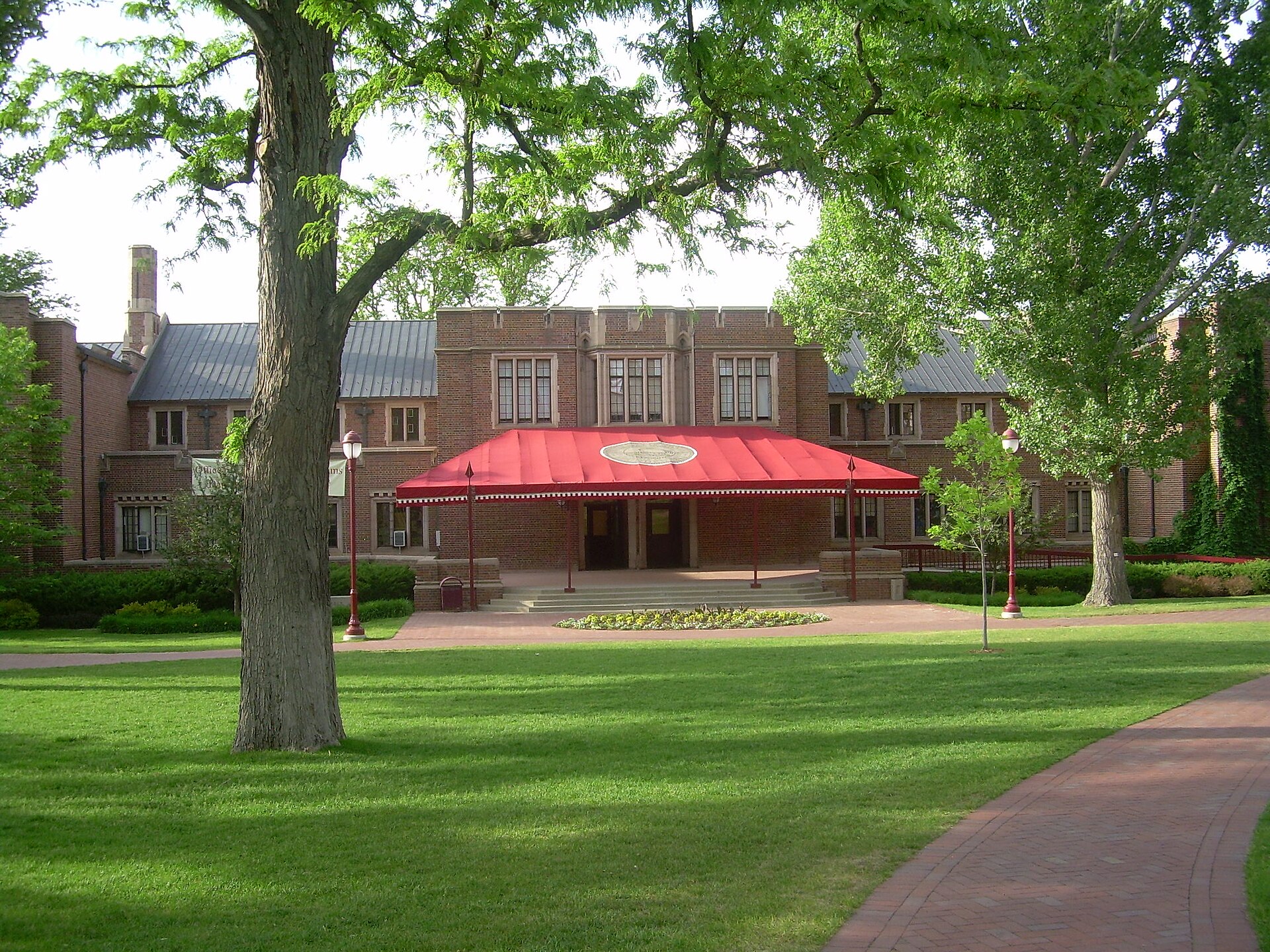
- Margery Reed Hall at the University of Denver: CW221, CC BY-SA 3.0, via Wikimedia Commons.
Thinking about moving here?
Ask Jimmy anything about the area, the neighborhoods or the move itself. No pressure, just straight answers from a local.


