


The Highlands
The short answer
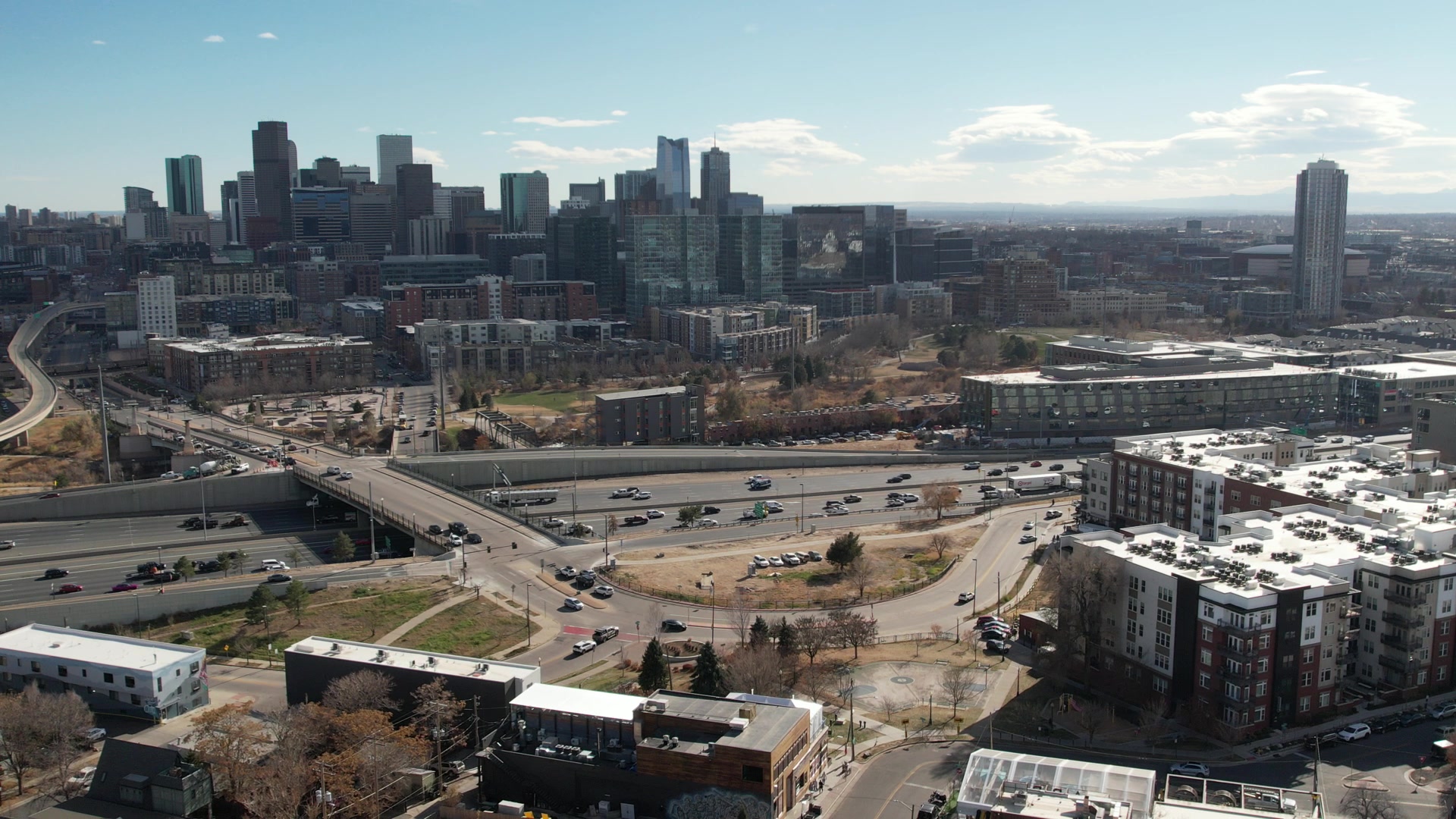
The Highlands is the everyday name for two official Denver neighborhoods, Highland and West Highland, and it includes LoHi, the part of Highland closest to downtown. The area sits northwest of downtown, across I-25, and runs west to Sheridan Boulevard. Homes range from restored Victorians and older bungalows to new townhomes, condos and apartments. The Highland Bridge takes you over I-25 on foot, RTD's Route 32 bus runs along West 32nd Avenue into downtown, and Federal Boulevard connects to I-70.
Watch: Jimmy's video on this area
What is living in the Highlands like?
The Highlands is quite possibly my favorite neighborhood in all of Denver. It's a place I'd love to explore living at some point in my life. To me, it's the perfect blend of urban and suburban. Boutique coffee shops, restaurants, cocktail bars and rooftop patios are mixed in with parks, and you can walk out your door and within a couple blocks be surrounded by restaurants and coffee shops.
It's not one central location. There are several different areas. Lower Highlands sits across I-25 from downtown, and a pedestrian bridge takes you right over. West of Federal is the rest of the Highlands, with 32nd and Lowell and Tennyson Street. Nightlife leans toward LoHi and the blocks closest to downtown, and West Highland leans more residential.
Longtime locals still call it North Denver. The city's map says Highland and West Highland, and this guide covers both. If you're still choosing a part of the metro, start with the Denver relocation guide.
What draws people here
- Downtown on foot. You can walk or bike into downtown, and the Highland Bridge crosses I-25 between Central Street and Platte Street.
- Rooftop views. LoHi has rooftop patios with mountain and city views.
- More than one shopping area. Shops, bars and restaurants spread out from Highland Square at West 32nd Avenue and Lowell Boulevard, and LoHi has its own restaurants and coffee shops.
- Historic street plans. Potter Highlands was laid out with square blocks, and about thirteen of its thirty-six blocks still have a distinct central lot. Highland Park has curved streets planned to evoke a Scottish village.
- Water close by. The South Platte River marks Highland's southeast edge, and Sloan's Lake is just south of West Highland.
What gives people pause
- Home age. Some houses here date to the 1800s, so sewer lines, water lines and foundations deserve a close look.
- Historic rules. Some blocks sit inside Denver historic districts, where the city's design guidelines apply.
- Old and new together. New townhomes and modern builds sit beside older houses. Denver's Near Northwest Area Plan, adopted in January 2024, covers Highland and aims to balance preservation with compatible new construction. It doesn't cover West Highland.
- Nightlife blocks. If you're looking near LoHi, see the block on a weekend evening too, since that's where the nightlife leans.
- Rail takes a connection. Union Station is downtown, past the pedestrian bridges. From West Highland, plan on the bus to reach it.
- Flood maps. The South Platte River forms Highland's southeast edge, so check FEMA's map for any address near it.
Where are the Highlands, and how do you get around?
The Highlands sit northwest of downtown. I-25 runs along Highland's east side, Federal Boulevard divides Highland from West Highland, and Sheridan Boulevard marks the west end. As of fall 2026, RTD's Downtown Rail Reconstruction Project has changed some rail service, so confirm your trip with RTD before you count on it.
- Into downtown: The Highland Bridge is one of three pedestrian bridges that connect downtown with Highland. RTD's Route 32 bus runs along West 32nd Avenue through West Highland, Highland and LoHi into downtown, ending at Civic Center Station.
- Into the Tech Center: Take I-25 south. By rail, start at Union Station and check RTD's current service to Belleview Station.
- Transit: Union Station is the rail hub to plan around. Route 32 riders can connect there or at Civic Center Station.
- The airport: RTD's airport train runs from Union Station to Denver Airport Station. By car, take Federal Boulevard north to I-70, then I-70 east to Peña Boulevard.
- The mountains: Take Federal Boulevard north to I-70 and head west. I-70 is the highway through the Rocky Mountains toward Grand Junction.
Where do the Highlands start and stop?
The official lines come from Denver's statistical neighborhoods, the boundary source for this guide. Denver has 78 official neighborhoods for planning and administration, and most of their lines date to 1970, when city planners grouped census tracts. Denver has no official process for designating a neighborhood, so everyday names don't move the lines. "The Highlands" is the casual name for Highland and West Highland together.
Highland and LoHi
Highland runs from West 38th Avenue on the north to Speer Boulevard on the south, with Federal Boulevard on the west. Its east side follows a Union Pacific rail line and the South Platte River, though the neighborhood association's own definition stops at I-25. LoHi, short for Lower Highland, is the eastern part of Highland. You may also see East Highland. Neither name has its own line on the city's map.
West Highland and the 32nd Avenue area
West Highland starts at Federal Boulevard and runs west to Sheridan Boulevard, between West 29th and West 38th avenues. West 32nd Avenue ties it to Highland and LoHi. Highland Square, at West 32nd and Lowell Boulevard, grew up around a streetcar stop and is West Highland's main shopping district. You'll also see it written Highlands Square.
Tennyson Street
Tennyson Street runs through West Highland, but its commercial corridor starts at West 38th Avenue and runs north to Berkeley Lake Park at West 46th Avenue. That stretch, the Tennyson Street Cultural District, is in Berkeley, not West Highland.
Nearby areas often confused with it
The name often stretches to other northwest Denver neighborhoods, including Sunnyside, Berkeley and Jefferson Park. All three are separate on the city's map. Sunnyside borders Highland, and parts of it are sometimes called the Upper Highlands. Berkeley sits directly north of West Highland. Jefferson Park borders Highland to the south. A home's marketing name can run past these lines, so go by Denver's map.
What does it cost to own a home in the Highlands?
Amounts change, so here's what applies in the Highlands and where to look each one up.
- Property tax: Denver's property search shows assessment and tax data by address, Parcel ID or schedule number. In December and early January, maintenance district, service lien and business improvement fees may not appear there, so ask about them.
- Sidewalk fee: Denver property owners have paid this fee since 2025, whether or not the block has proper sidewalks. As of its 2025 rollout, it's on the municipal stormwater bill in two payments a year, and properties with a lot of street frontage can pay more. Clearing snow is still the owner's job.
- Trash and recycling: Denver switched to volume-based pricing in January 2023, so the charge depends on the size of your trash bin. Ask whether a home is on city service and what size cart it has.
- Landmark rules: Denver's design guidelines apply to individually designated landmarks and to historic districts. Potter Highlands in Highland and Packard's Hill, Wolff Place and the Allen M. Ghost district in West Highland are Denver historic districts, and individual landmarks are listed here too. Check the specific address before you plan exterior work. The Highland Park Historic District is on the National Register of Historic Places, a listing that doesn't give special preservation protection.
- Older-home systems: Denver Water's address search shows a property's risk of lead in drinking water, and its Lead Reduction Program replaces lead service lines with copper at no direct cost to customers. Radon can enter a home from the soil beneath it, so test for it. Get a sewer scope on any older house.
- HOA or condo dues: If a townhome or condo has an association, find out what the dues cover. When an HOA handles the stormwater bill, it handles the sidewalk fee too.
- Parking: If a home has no off-street parking, read the posted signs and ask about permit rules.
- Floodplain: FEMA's Flood Map Service Center is the official place to look up flood maps by address. Ask your insurance agent what the result means for that home.
What kinds of homes are in the Highlands?
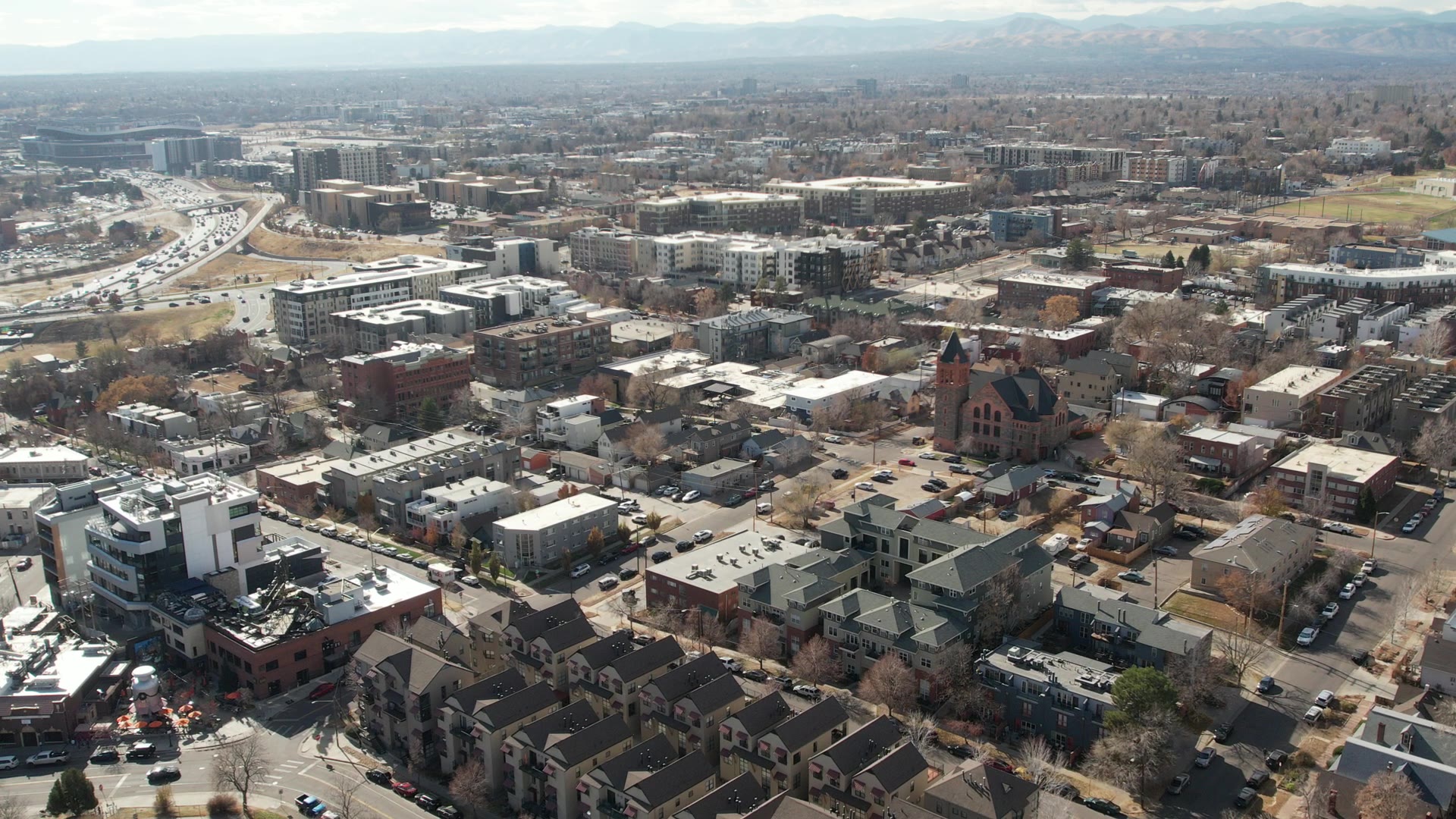
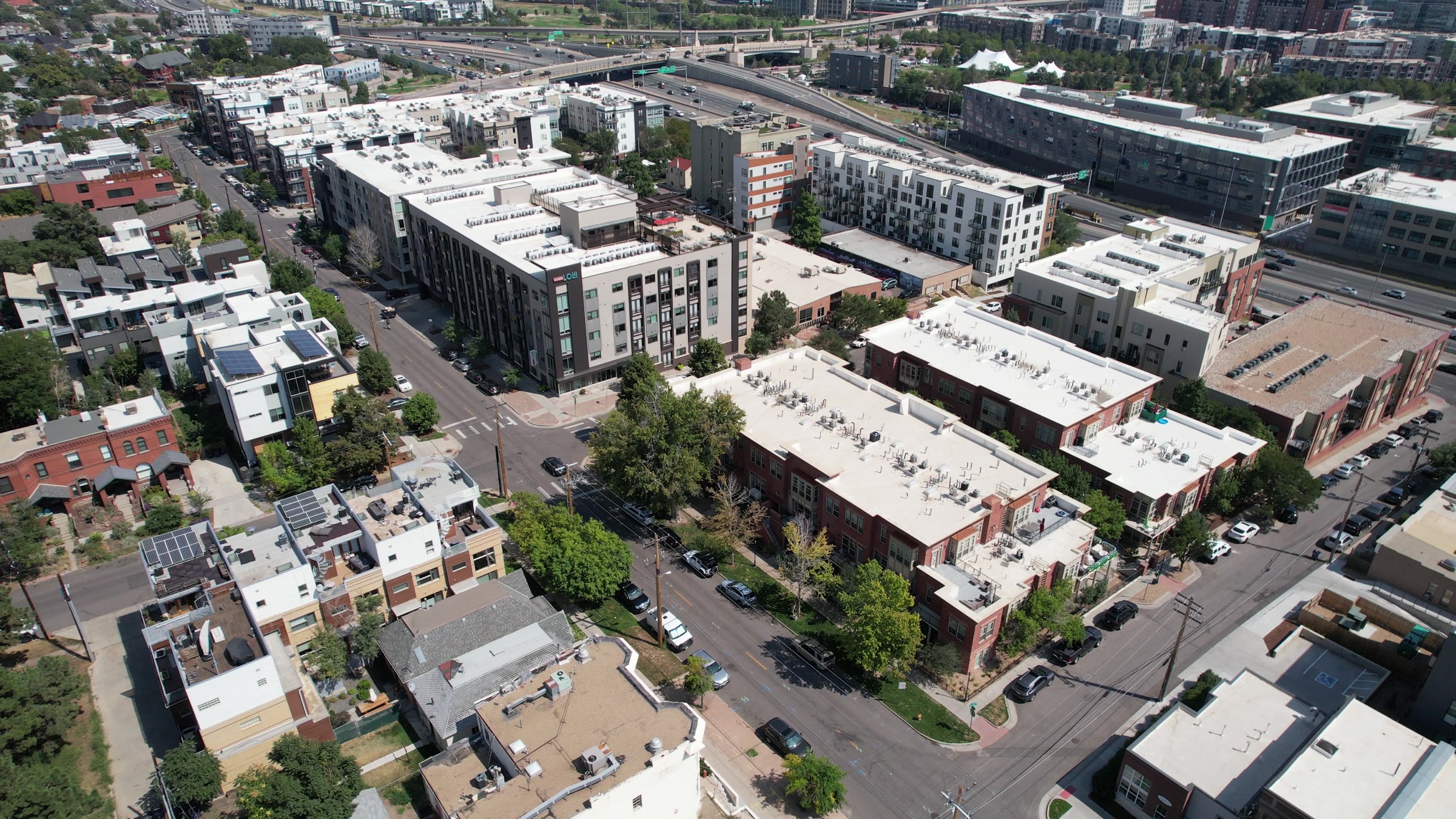
Expect old and new on the same blocks: restored Victorians, older bungalows, new townhomes and modern builds, plus condos and apartments. LoHi in particular mixes old and ultra-modern architecture.
The history explains the mix. The area was founded in 1858 and merged into Denver in 1859 as North Denver. The Town of Highlands incorporated on April 8, 1875, and after the Silver Crash of 1893 strained its finances, voters chose annexation to Denver in 1896.
Potter Highlands was platted in 1872 as a thirty-six-block residential district between Federal Boulevard and Zuni Street and West 32nd and West 38th avenues. Houses there include the 1890 mansion at 2555 W. 37th Ave. Highland Park, planned in 1874, was meant for grand estates that were never built. Its diagonal streets running off Zuni Street survive, including Argyle Place, Fife Court, Dunkeld Place and Caithness Place, and its building types include simple houses and cottages, duplexes, triplexes and multifamily housing. In West Highland, the Packard's Hill district, created in 2017, covers about 30 acres and more than 100 homes from West 32nd to West 35th avenues, between Perry Street and Lowell Boulevard.
How do schools work in the Highlands?
Highland and West Highland are both in Denver Public Schools. DPS uses single-school boundaries in some parts of the city and enrollment zones in others. Inside an enrollment zone, your address guarantees a seat at one of several schools rather than one particular school. Which system applies depends on the address, so enter each home you're considering into DPS's School Finder. DPS also posts zone guides, and the SchoolChoice hotline can answer questions about the schools in a zone.
What is there to do in the Highlands?
Parks, trails and open space
Hirshorn Park sits in LoHi at 16th and Erie streets. Confluence Park, where Cherry Creek and the South Platte River meet, is nearby. Just south of West Highland, Sloan's Lake is Denver's second-largest park.
Events
The Highlands Street Fair is held every June, with live music, food, and arts and crafts. A seasonal farmers market runs along 32nd Avenue, so check its current schedule. Just north in Berkeley, businesses in the Tennyson Street Cultural District mark the first Friday of each month.
Food and shops
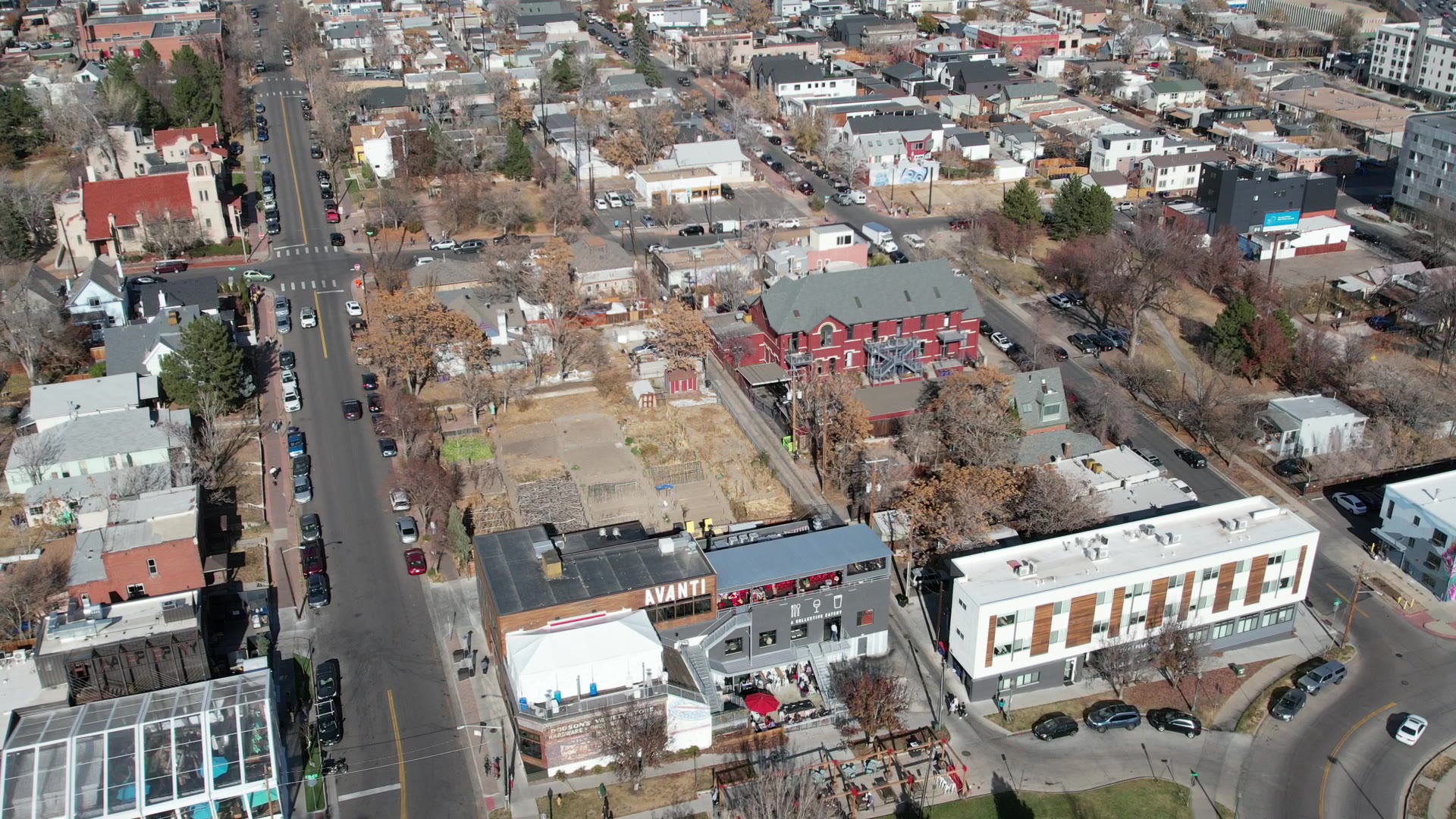
West 32nd Avenue runs through both neighborhoods. Highland Square's shops, bars and restaurants spread out from Lowell Boulevard, and you'll find a range of food along 32nd and 33rd. LoHi has boutique coffee shops, restaurants, cocktail bars and rooftop patios.
Three places to start
- Highland Bridge — The pedestrian bridge over I-25 between Central Street and Platte Street, opened in December 2006.
- Highland Square — West 32nd Avenue at Lowell Boulevard, the former streetcar stop that's now West Highland's main shopping district.
- Elitch Theatre — 4550 W. 37th Place, a Denver landmark since 1995. John and Mary Elitch opened their gardens here in 1890. The gardens later moved downtown, and the theater stayed.
Who are the big employers in and near the Highlands?
The job centers closest to the Highlands sit outside its lines. Downtown Denver is just over I-25, reached by the pedestrian bridges or Route 32. The Auraria Campus, near downtown on the east side of the South Platte River, houses the University of Colorado Denver, Community College of Denver and Metropolitan State University of Denver. Inside the Highlands, commercial areas include LoHi, West 32nd Avenue and Highland Square. Employer rosters change, so treat these as places to look rather than a ranked list.
How do the Highlands compare with nearby areas?
- The Highlands vs. Sunnyside — West 38th Avenue is Highland's northern edge, and Sunnyside borders it there. Highland and Sunnyside are both covered by the Near Northwest Area Plan.
- The Highlands vs. Berkeley — Berkeley sits directly north of West Highland. It has the Tennyson Street Cultural District and Berkeley Lake Park, and it joined Denver in 1902–03, after the Town of Highlands did.
- The Highlands vs. Jefferson Park — Speer Boulevard is Highland's southern edge, and Jefferson Park is the neighbor on that side. It's a separate official neighborhood, often folded into the Highlands name.
- The Highlands vs. Sloan Lake — West 29th Avenue is West Highland's southern edge, and Sloan Lake is the official neighborhood below it. Sloan Lake has the park and the lake. West Highland has West 32nd Avenue and Highland Square.
Buying in the Highlands: what to do first
- Get pre-approved before you tour. A new townhome with HOA dues and an older house with an aging sewer line carry different costs, so know your budget for both.
- Confirm the neighborhood. Check the address against Denver's map, since LoHi, Highland, West Highland, Sunnyside and Berkeley often get blurred together.
- Pull the records. Use Denver's property search, ask for the latest tax bill, and read any HOA documents before you commit.
- Inspect for the home's age. Get a general inspection, a sewer scope and a radon test, and run the address through Denver Water's lead search.
- Check the address. Look up historic district and landmark status, FEMA's flood map, the block's parking signs and DPS's School Finder.
- Veterans: Plan ahead for the VA appraisal, especially on an older house. VA has to ensure that a home it finances is suitable for dwelling purposes, and its minimum property requirements can expose defects or maintenance issues. If you'd like a read on current pricing for the blocks you're considering, reach out and I'll walk you through it.
In pictures
Watch the videos
Help shape what Jimmy films next
Which town should Jimmy cover next, and what do you still want to know? Tell us, and we'll email you when the guide and video are out.
Thank you — this genuinely helps. We'll let you know when it's ready.
Frequently asked questions
What's the difference between the Highlands, Highland and LoHi?
Highland and West Highland are official Denver statistical neighborhoods. The Highlands is the casual name for the two together. LoHi, or Lower Highland, is the eastern part of Highland and doesn't have its own line on the city's map.
Where do the Highlands start and stop?
Highland runs from West 38th Avenue to Speer Boulevard, and from Federal Boulevard east to a Union Pacific rail line and the South Platte River. West Highland runs from Federal Boulevard to Sheridan Boulevard, between West 29th and West 38th avenues.
Why do people call the Highlands North Denver?
It's an old name. The area merged into Denver in 1859 as North Denver, before the Town of Highlands incorporated in 1875. Longtime locals still use it.
Is Tennyson Street in the Highlands?
Tennyson Street runs through West Highland, but its commercial corridor, the Tennyson Street Cultural District, is between West 38th and West 46th avenues in Berkeley. Berkeley is a separate official neighborhood directly north of West Highland.
What is the pedestrian bridge from LoHi to downtown called?
It's the Highland Bridge, which crosses I-25 between Central Street and Platte Street. It's one of three pedestrian bridges connecting Highland with downtown.
What school district are the Highlands in?
Both neighborhoods are in Denver Public Schools. Some addresses fall in enrollment zones, where you're guaranteed a seat at one of several schools, so look up the specific address in School Finder.
Are the Highlands a historic district?
Not as a whole. Potter Highlands, Packard's Hill, Wolff Place and the Allen M. Ghost district are Denver historic districts, and the Highland Park Historic District is on the National Register of Historic Places. Other properties can carry landmark status too, so check the specific address.
Take this guide with you
Get the printable PDF version to read offline, share with your family or mark up on your scouting trip. Enter your name and email and it's yours.
Thanks! Your guide is ready.
Download the PDFNo spam. Jimmy may follow up personally to see if you have questions about the move.
Sources
Guide reviewed November 3, 2026, and reviewed again twice a year.
- Wikipedia: Highland, Denver (Highland and West Highland boundaries, LoHi and East Highland names, casual use of "the Highlands," neighborhoods often folded in, Upper Highlands, Elitch farm and 1890 opening)
- Wikipedia: List of neighborhoods in Denver (78 official neighborhoods, 1970 statistical neighborhoods, LoHi as eastern Highland; the boundary source for this guide)
- FOX31 via Yahoo: Why RiNo and LoDo aren't listed in Denver's neighborhoods (no official designation process)
- 5280: Neighborhood Guide, West Highland, Dec. 9, 2014 (West Highland's four edges)
- City and County of Denver: Near Northwest Area Plan (adopted Jan. 22, 2024; neighborhoods covered; preservation and new construction)
- Denver Public Library: Potter-Highlands Neighborhood History (1858 and 1859 history, Town of Highlands, 1896 vote, 1872 plat, original edges, central lots, 1890 mansion, district designation)
- Denver Public Library: Highland Park / Scottish Village Historic District (1874 plan, location, building types)
- CPR News: Denver's Highlands neighborhood history, 2026 (Highland Park estates, curved streets and names, National Register listing)
- Denver7: Denver City Council votes to create historic district in West Highland, September 2017 (Packard's Hill location and size)
- Wikipedia: List of Denver landmarks (Potter Highlands, Packard's Hill, Wolff Place and Allen M. Ghost districts, individual landmarks, Elitch Gardens Theatre)
- City and County of Denver: Character-Defining Features, Wolff Place Historic District (West Highland location)
- City and County of Denver: Character-Defining Features, A.M. Ghost Historic District (West Highland location)
- 9NEWS: West Highland in North Denver (North Denver name, streetcar stop at 32nd and Lowell, Highlands Square, Elitch history)
- VISIT Denver: Highlands (Highland Square, 32nd and 33rd, Tennyson Street Cultural District, LoHi architecture, Highland Bridge, Confluence Park, Sloan's Lake, Highlands Street Fair, First Fridays)
- Denverite: Tennyson Street's history, November 2023 (corridor location, Berkeley, Berkeley Lake Park, annexation)
- Westword: Hirshorn Park listing (16th and Erie streets, LoHi)
- Wikipedia: Jefferson Park, Denver (Speer Boulevard as its north edge)
- Wikipedia: Highland Bridge (official name, location, opening date, three pedestrian bridges)
- RTD: Hidden Gems, Bus Route 32, Sept. 16, 2025 (route, Civic Center and Union Station connections, seasonal farmers market)
- RTD: Final September 2026 Service Changes (Route 32 and rail changes, effective Sept. 27, 2026)
- RTD: Rail Project FAQs (lines during construction, effective June 7, 2026)
- Wikipedia: A Line (RTD) (Union Station to Denver Airport Station)
- Wikipedia: Interstate 70 in Colorado (Federal Boulevard and Peña Boulevard exits, route through the Rockies)
- Wikipedia: Auraria Campus (location, the three institutions)
- Denver Public Schools: Enrollment Zones (zones, School Finder, hotline)
- City and County of Denver: Property Search (assessment and tax data, fees that may not appear)
- Denverite: Denver sidewalk fee FAQ, December 2024 (who pays, billing, frontage, HOAs, snow)
- Denverite: Denver's trash, recycling and compost program, October 2024 (volume-based pricing since January 2023)
- City and County of Denver: Landmark Preservation Design Guidelines (when they apply)
- Denver Water: Lead Reduction Program (address search, line replacement, cost to customers)
- Colorado Department of Public Health and Environment: Radon (how it enters a home)
- FEMA Flood Map Service Center (flood map search by address)
- Federal Register: VA Minimum Property Requirements notice, Dec. 11, 2023 (suitable for dwelling purposes, defects and maintenance issues)
- Destination Denver Colorado: Touring the Best Denver Neighborhoods (Jan. 2025), Jimmy's own observations
- Destination Denver Colorado: Denver Neighborhoods That Deliver vs. The Hype (Oct. 2025), Jimmy's own observations
- Destination Denver Colorado: Moving to Denver or to Fort Collins (2025), Jimmy's own observations
Photo credits
- Photos: Jimmy Everetts / Destination Denver Colorado.
Thinking about moving here?
Ask Jimmy anything about the area, the neighborhoods or the move itself. No pressure, just straight answers from a local.


