


Louisville, Superior and Lafayette
The short answer
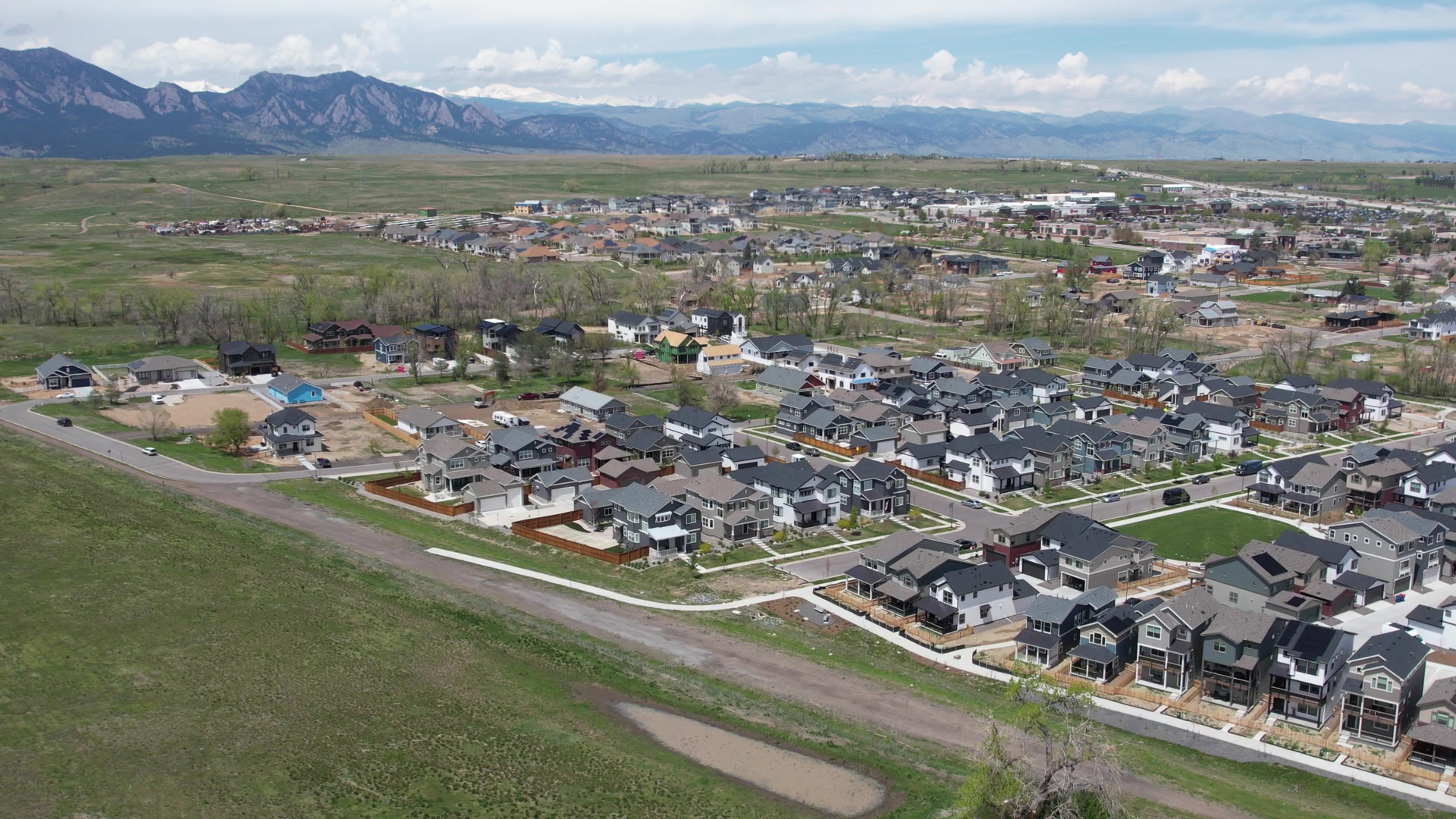
Louisville, Superior and Lafayette are three small Boulder County towns strung along US 36 and US 287 between Denver and Boulder, with about 65,000 people between them and mostly Boulder Valley schools. They suit buyers who want Boulder's trails, jobs and schools without living in Boulder: Louisville for a walkable historic downtown, Superior for a planned, amenity-heavy suburb with the best highway access, Lafayette for an artsier, more affordable old town. They suit people less well if they need light rail, want to avoid HOAs in newer construction, or are not prepared to think seriously about wildfire insurance after the 2021 Marshall Fire.
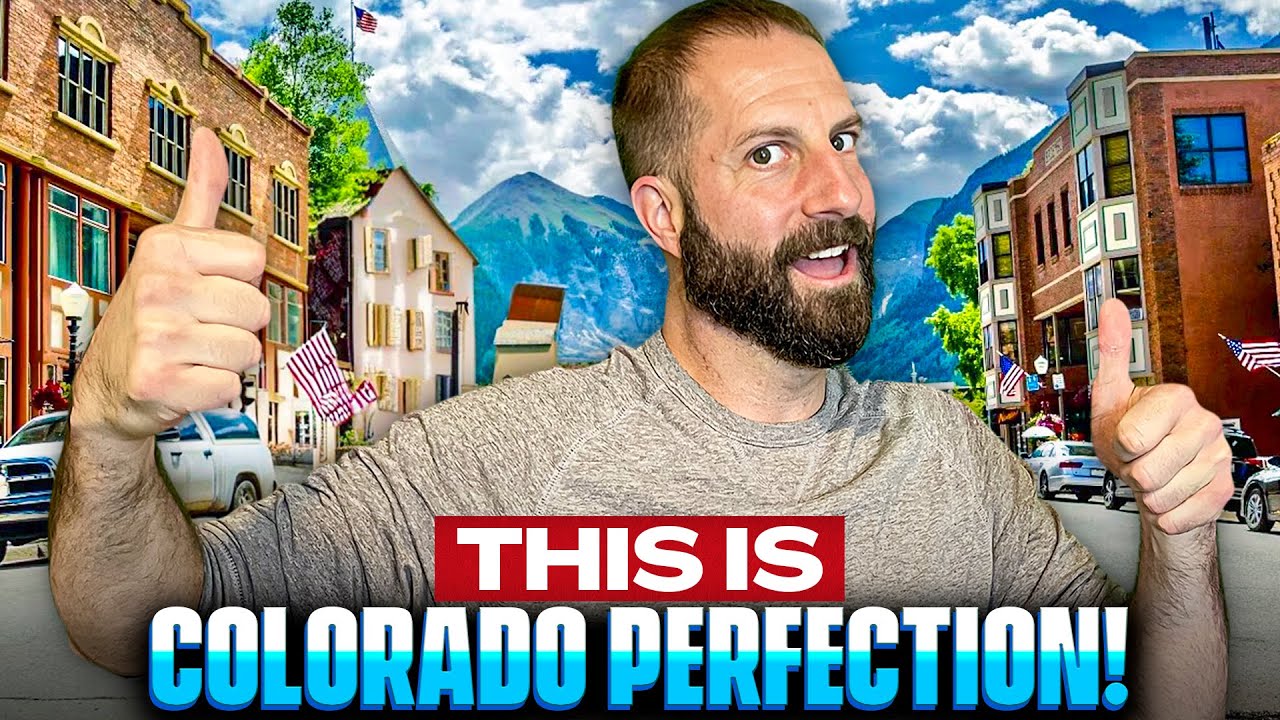
Watch: Jimmy's video on this area
Are Louisville, Superior and Lafayette the right fit for you?
Never before have I had so many people reach out to me about one specific region: the towns between Denver and Boulder. So this guide covers three of them at once, because that's how buyers actually shop them. You start with one, drive through the other two on the way, and end up comparing.
They share DNA. All three grew up as coal towns in the late 1800s and turned into bedroom communities after the mines closed. All three sit on or near the US 36 corridor, the stretch people call the Innovation Corridor: Boulder's tech and research employers on one end, Broomfield's Interlocken in the middle, downtown Denver on the other. Commutes to either city are doable. The trail systems connect the towns to each other. The people who live here are outdoor-obsessed; that's not marketing fluff, it's what you see on a Saturday. Cost of living is high in all three, but tiered: Louisville at the top, then Superior and Lafayette, with Erie, the fourth town in my video, more affordable still.
One housekeeping note. It's "Lewis-ville." Apologies to Kentucky.
Here's the quick version of each. Louisville is the first place people look when they like Boulder but not the price tag or the full Boulder vibe; I call it Boulder Light. Superior is newer and meticulously planned, defined by the Rock Creek subdivision, and it is by far the best located for getting to both Boulder and Denver. Lafayette is funkier, more artsy and less polished, with a real creative energy, and it's one of my absolute favorites. I just like the energy of it.
Why people choose these towns
- Boulder Valley School District across all three, one of the strongest districts in Colorado
- Trail networks that connect the towns, plus Boulder County and Boulder open space next door
- Walkable historic downtowns in Louisville and Lafayette, and a new one being finished in Superior
- Flatiron Flyer bus rapid transit on US 36 to both Boulder and Union Station
- Jobs on both ends of the corridor without living in either city
- A lot of people move to these communities because they feel comfortable and confident here
What gives people pause
- Louisville's prices run close to Boulder's; Superior and Lafayette generally less so
- The Marshall Fire on December 30, 2021 destroyed more than 1,000 homes in Louisville, Superior and unincorporated Boulder County. Rebuilding is well along as of fall 2026, but insurance is harder.
- Louisville's downtown is miners' cottages and older homes that trade at a premium, and the 1960s ranches and 1970s split-levels further out often need expensive updating
- Superior's newer neighborhoods come with HOAs and a certain cookie-cutter sameness
- Lafayette is still working through growing pains: more traffic, more crowds, some homes that need love
- No light rail anywhere in the three towns
Where are Louisville, Superior and Lafayette, and how do you get around?
Picture US 36 running diagonally from Denver northwest to Boulder. Superior sits on its south side at the McCaslin Boulevard exit, Louisville on its north side, and Lafayette a few miles farther east along US 287 and South Boulder Road. Elevations run from about 5,270 feet in Lafayette to about 5,520 in Superior, about the same as Denver to a little higher. Louisville's city hall puts the drive at about 15 minutes to Boulder, 25 to downtown Denver and 35 to the airport via the Northwest Parkway; Superior reports about 8 miles to Boulder and 20 to downtown Denver.
- Into Boulder: From Superior and Louisville, US 36 west is a few exits. From Lafayette, South Boulder Road or Arapahoe Road take you in without touching the highway. Boulder is the closer city for all three.
- Into Denver: US 36 to I-25 is the main route from Superior and Louisville. From Lafayette, US 287 south to US 36 at Broomfield. Rush hour on US 36 is a real commute; off-peak it's quick.
- Bus rapid transit: The Flatiron Flyer runs on US 36 between Union Station and downtown Boulder; the US 36 & McCaslin station on the Superior–Louisville line serves both towns. Lafayette has no highway station. RTD's Route 228 ties Lafayette, Louisville, Downtown Superior and the McCaslin and Flatiron stations together; DASH runs Boulder to the Lafayette Park-n-Ride through Louisville; JUMP runs Boulder to Lafayette and Erie; and the LD regional buses link Lafayette's Park-n-Ride and Public Road with Broomfield, Longmont and Denver. Check current schedules; service changed in May 2025, and schedules changed again in September 2026.
- The airport: By car, the Northwest Parkway and E-470 from Broomfield, for a toll. By transit, the Flyer to Union Station, then the A Line.
- The mountains: Boulder Canyon is the scenic way; I-70 means driving south to Golden first.
What are the neighborhoods like?
Three towns, three different personalities. I'll take them one at a time.
Louisville
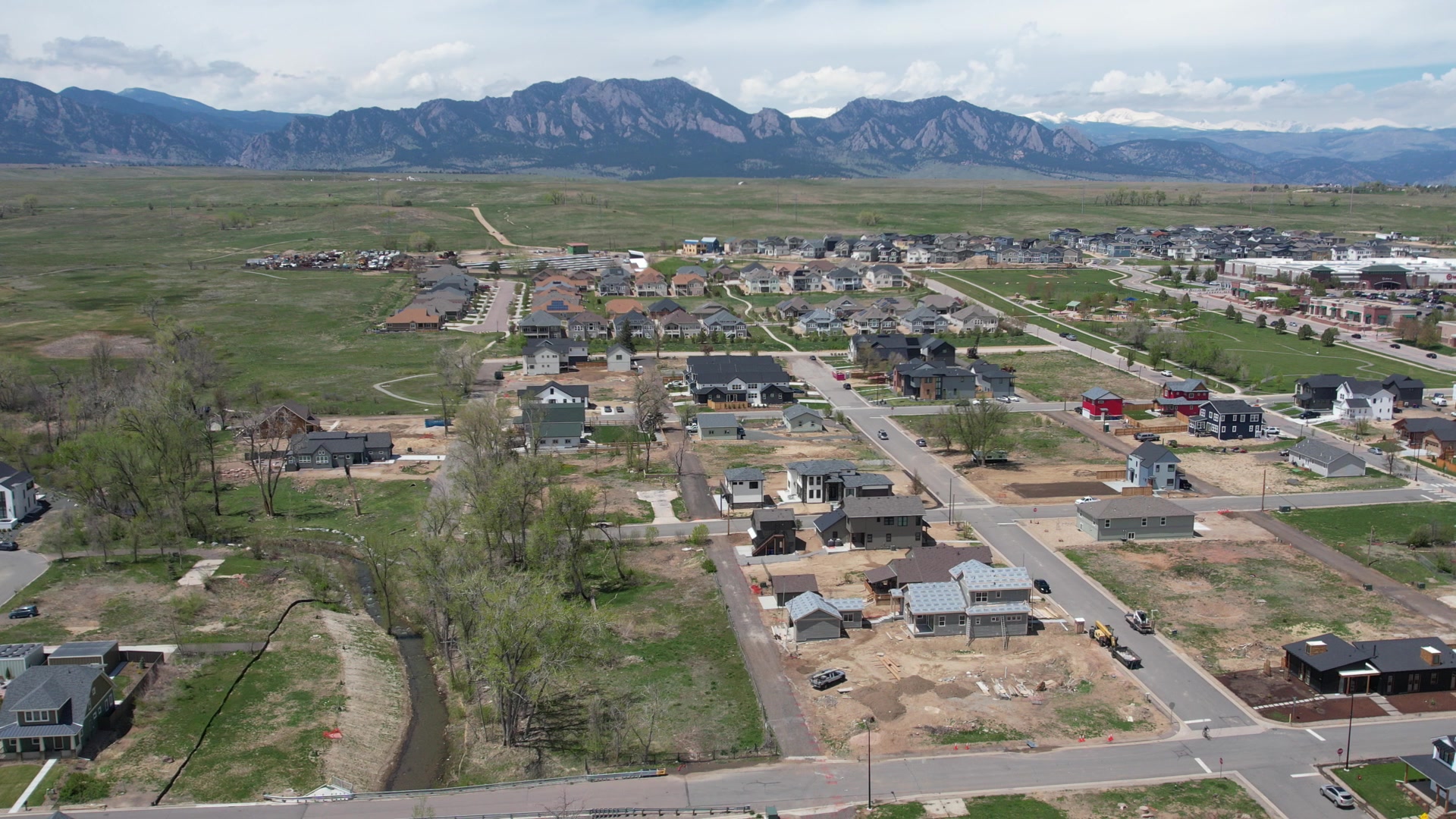
Old Town Louisville is the crown jewel: a legit historic downtown on Main and Front streets, not some fake planned town center. Sweet Cow for ice cream (anywhere there's a Sweet Cow is a good sign), The Huckleberry, breweries, boutiques, the Saturday farmers market on Front Street from May through October, summer concerts at Steinbaugh Pavilion during the Friday-night Street Faire and an ice rink there in winter. The homes around downtown are the original miners' cottages and later infill, and they trade at a premium. Ring out from there and you hit the 1960s and 1970s subdivisions that make up much of the city: ranches and split-levels on decent lots, usually without an HOA, often needing kitchens, baths, windows and electrical. Coal Creek Ranch, built around the Coal Creek Golf Course on the south side, lost 161 homes in the Marshall Fire; the streets west toward Harper Lake and the Enclave also burned. As of fall 2026, nearly all of the lost homes are rebuilt or under construction, so some of the newest construction in Louisville sits inside its most established neighborhoods.
Superior
Superior went from 255 people in 1990 to more than 9,000 in 2000, and the reason is Rock Creek Ranch: a 1990s master plan of cul-de-sacs, community pools, greenbelts and neighborhood parks south of US 36. HOAs run the show here, and in exchange you get pools, tennis courts and parks built into the neighborhood. Homes are mostly 1990s and 2000s two-stories, with new construction mixed in. The Sagamore subdivision near the highway was heavily damaged in the Marshall Fire and has seen extensive rebuilding. Original Town Superior, the little grid of coal-era homes down by Coal Creek, was heavily damaged in the Marshall Fire and has seen extensive rebuilding. Downtown Superior, at US 36 and McCaslin, is the mixed-use district the town never had: 405 flats and townhomes, about 51,000 square feet of restaurants and shops, a central plaza that hosts markets and concerts, the Blue Sport Stable, and a town Civic Space that opened in June 2025. A 251-unit apartment building and a 114-room Hyatt Studios hotel are under construction for spring 2027, and a food hall and a life-sciences campus are proposed (both as of March 2026). Across US 36, Costco, Target and Whole Foods cover the big-box list, with Flatiron Crossing a short drive east. The old knock on Superior was no downtown. They are correcting that.
Lafayette
Old Town Lafayette is Public Road, and Public Road is the point: indie businesses, breweries like Odd13, funky spots that have been around forever, Festival Plaza, and Art Night Out on the second Friday of the month from May through September. The homes around it are a mix of 1890s miners' houses, mid-century ranches and new infill, and some need love. North and west toward Waneka Lake are the established subdivisions, with parks and trail connections built in; this is where most families land. Lafayette grew from about 24,000 people in 2010 to more than 30,000 in 2020, so the newest neighborhoods push east and north toward Erie. Those edges are where you check the school district and even the city limits before you fall in love with a floor plan.
What does it cost to own a home here?
Same rule as the rest of the metro: know the whole monthly payment, not the price. Specific to these three towns:
- Property tax — All three are in Boulder County. The Boulder County Assessor's property search shows the current value and taxing districts for any address; the Treasurer collects. Louisville, Superior and Lafayette each add their own levies, and a few newer subdivisions carry metro district levies on top.
- HOA — Expect one in Rock Creek and most of Superior, in Lafayette's newer subdivisions and in Louisville's post-1990 neighborhoods. Louisville's 1960s and 1970s core and most of Old Town Lafayette are the exceptions.
- Insurance — This is the big one. Hail, as everywhere on the Front Range. And wildfire: the Marshall Fire burned a grassland suburb, not a mountain town, with winds gusting to 115 mph in a December with almost no snow, and insurers noticed. Colorado's Division of Insurance found at least two-thirds of Marshall Fire households were underinsured, and only 76 of 951 total-loss claims had guaranteed replacement coverage. Colorado's FAIR Plan, an insurer of last resort, began accepting applications on April 10, 2025; as of 2026, it pays actual value rather than replacement cost and requires three private declines to qualify. Get a real quote on the specific house before you waive anything, and read the replacement-cost figure, not just the premium.
- Sales tax — Each city sets its own rate on top of state and county. Check the city's finance page for the current combined rate.
- Housing-age costs — Louisville's and Lafayette's older homes come with older roofs, sewer lines, galvanized plumbing and 100-amp panels. Budget for an inspection and a sewer scope. In the burn area, the opposite problem: brand-new homes, sometimes with high-performance construction, and the young landscaping and settling that come with them.
What kinds of homes are in these towns?
Louisville is mostly single-family: coal-era cottages in Old Town, 1960s to 1980s ranches and split-levels through the middle, 1990s and 2000s two-stories on the edges, and newly rebuilt homes in Coal Creek Ranch and the other burned neighborhoods. Superior is overwhelmingly 1990s and 2000s two-stories in Rock Creek, plus rebuilding in Sagamore and Original Town, and a growing stock of townhomes and apartments in Downtown Superior. Lafayette has the widest spread: historic homes on small lots in Old Town, 1980s-to-2000s subdivisions in the middle, new construction on the east and north edges, and more townhomes and condos than the other two. If you want new without an HOA, Old Town infill in Louisville or Lafayette is about your only route.
How do schools work here?
Boulder Valley School District serves all three towns, along with Boulder and portions of Broomfield and Erie. In Louisville that means Louisville, Fireside and Coal Creek elementaries, Louisville Middle, Monarch PK-8 and Monarch High School. Superior's Superior Elementary and Eldorado PK-8 feed Monarch High in Louisville. Lafayette has Lafayette, Sanchez, Ryan and Escuela Bilingüe Pioneer elementaries, Angevine Middle and Centaurus High, plus Peak to Peak Charter, a K-12 charter in Lafayette that families across the district apply to.
Now the caution. St. Vrain Valley is the district next door and serves Erie and parts of Broomfield. Parts of the 80026 ZIP code cross into Erie, so confirm the school district for the exact address with the BVSD School Finder and St. Vrain's boundary maps. Colorado has open enrollment; BVSD's choice lottery runs from November 1 to mid-December for the following fall, late applications go to the bottom of the waitlist, and accepting a choice seat means giving up the neighborhood seat.
What is there to do here?
Parks, trails and open space
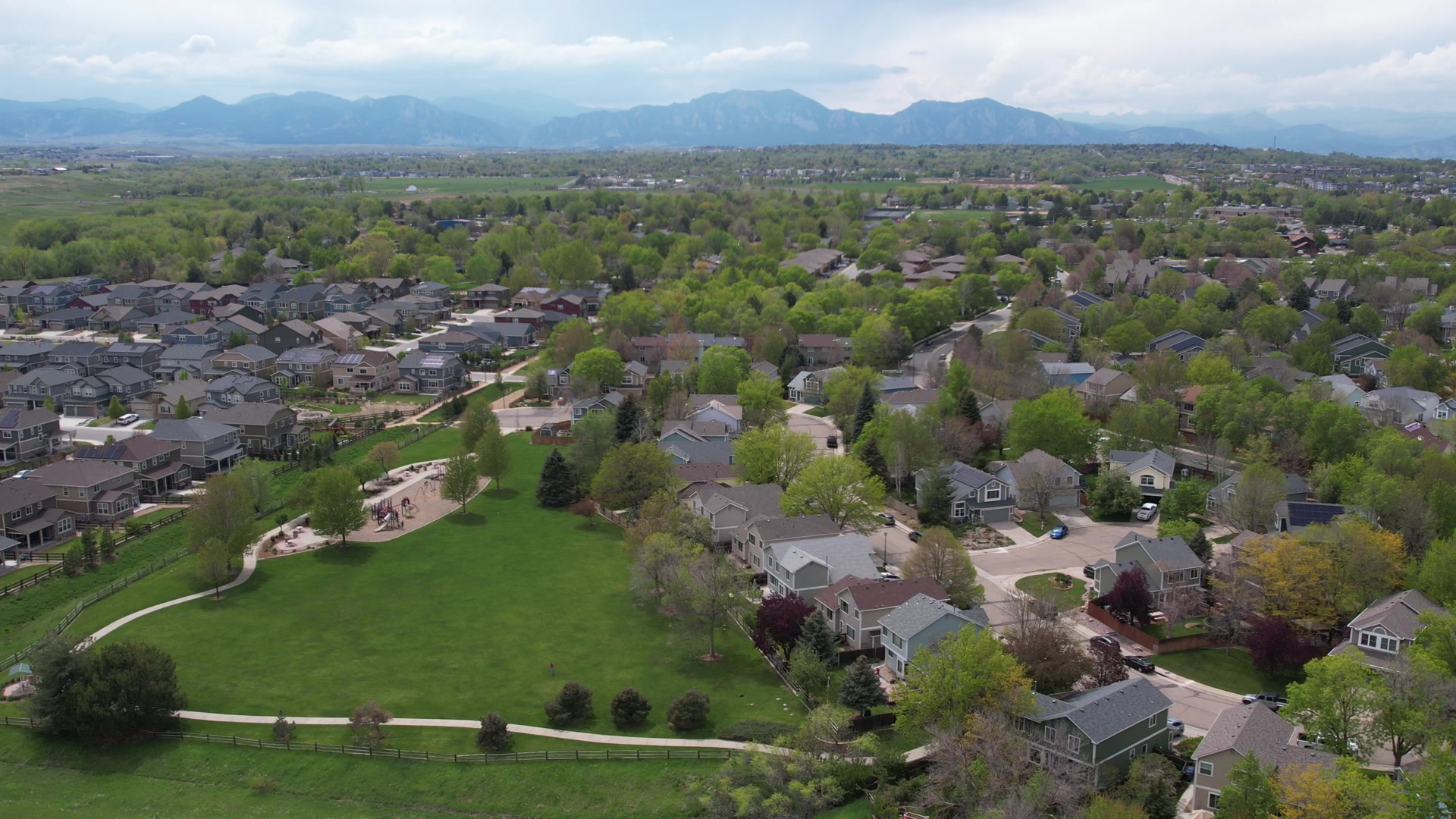
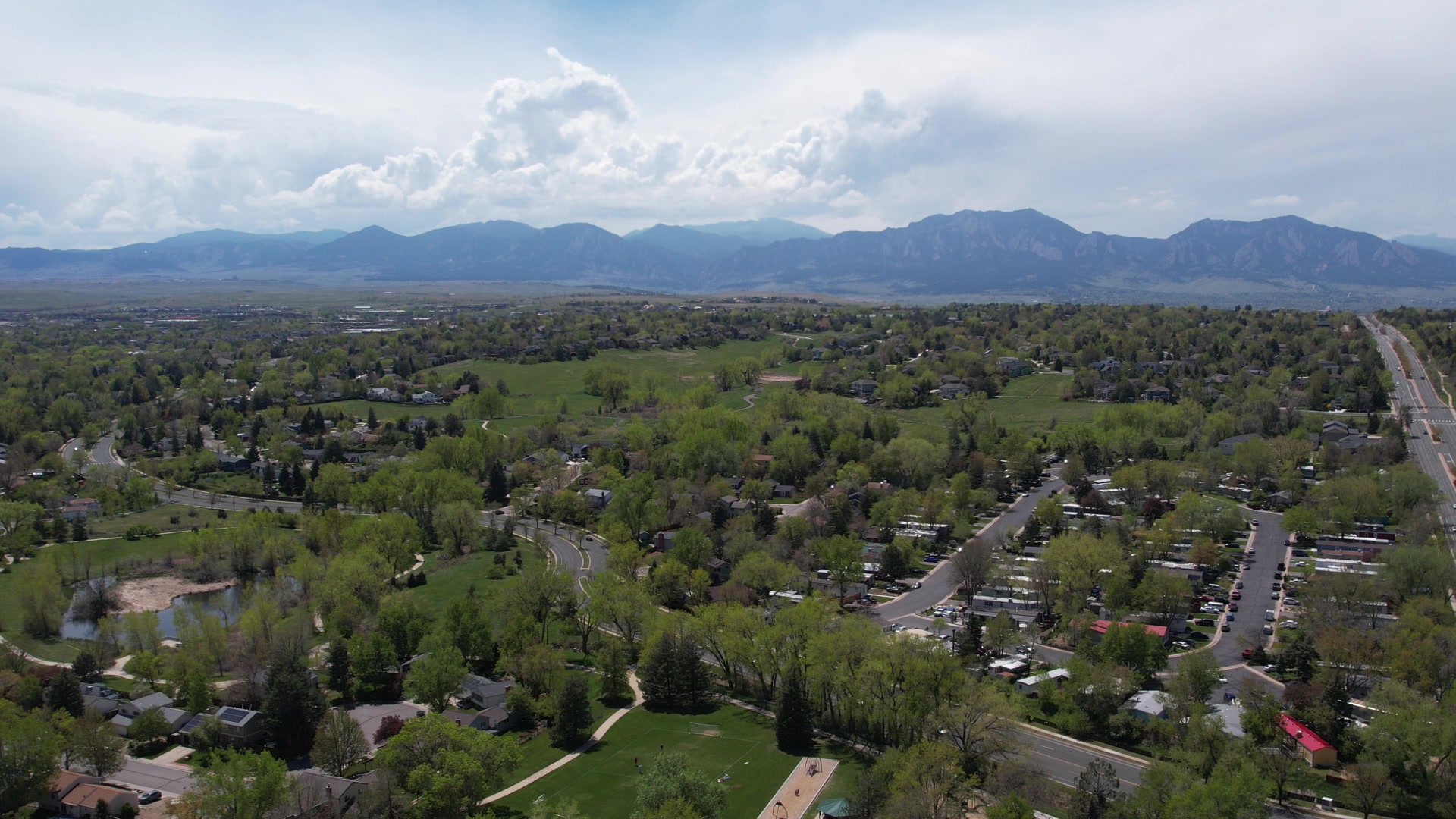
This is where the three towns are at their best. In Louisville, the trails are as close to perfectly planned as it gets: kids can bike to school or downtown without crossing a major road. Louisville manages roughly 2,000 acres of open space, more than 30 parks and about 32 miles of trails. Superior counts almost 30 miles of trails and about 788 acres of parks and open space, nearly a third of the town. Lafayette's anchor is Waneka Lake Park, 147 acres around a reservoir with a 1.2-mile loop. The Coal Creek Trail ties them together: 14 soft-surface miles from Superior through Louisville and Lafayette to Erie, connecting to the Rock Creek Trail along the way. Davidson Mesa, on the Louisville side of US 36 at McCaslin, is a 3.2-mile loop with a dog park at the trailhead and the Flatirons filling the view west. Louisville's 110,000-square-foot Recreation & Senior Center and Lafayette's Bob L. Burger Recreation Center cover the indoor side.
Events
Louisville's summer runs on the Friday-night Street Faire with concerts at Steinbaugh Pavilion and the Saturday farmers market downtown; the pavilion becomes a skating rink in winter. Lafayette's second-Friday Art Night Out fills Public Road from May through September, and the Lafayette Peach Festival in August, run by the Chamber, brings tens of thousands of people and more than 30,000 pounds of Palisade peaches to Old Town. Downtown Superior's plaza hosts farmers markets, outdoor concerts and movies. And people actually show up to these things, which is not true everywhere.
Food and beer
Louisville's Main Street is the dining district of the three: Sweet Cow, The Huckleberry, breweries and wine bars within a few blocks. Lafayette's Public Road is the independent, scruffier version, Odd13 Brewing being the name people know. Superior's restaurants cluster in Downtown Superior and along McCaslin, and the list grows as the district fills in.
Three places to start
- Main Street, Louisville, on a summer Friday — the Street Faire, concerts at Steinbaugh Pavilion and Sweet Cow. It's the quickest read on Louisville's small-town downtown.
- Public Road, Lafayette, on an Art Night Out — second Fridays from May through September, and the clearest way to feel the difference between Lafayette and its neighbors. Funkier, looser, more creative.
- Davidson Mesa at sunset — a 3.2-mile loop with the Flatirons to the west and US 36 to the east, which shows why Superior and Louisville are located where they are.
Who are the big employers in and near these towns?
Louisville punches above its weight: the city's own list of top employers includes AdventHealth Avista (the hospital formerly known as Avista Adventist), Medtronic Navigation, Sierra Space, Lockheed Martin, CableLabs, JumpCloud, Global Healthcare Exchange, Vaisala, Balfour Senior Living, Fresca Foods and Centennial Peaks Hospital. Lafayette's anchor is Intermountain Health Good Samaritan Hospital, a 183-bed hospital on Exempla Circle. Superior is mostly retail and small business today, with a proposed 287,000-square-foot life-sciences campus (Coal Creek Innovation Park), as of March 2026.
The bigger draw is either end of the corridor. Boulder's largest employers are the University of Colorado, Ball, the two school districts, Boulder Community Health and federal research, including NOAA's labs and NCAR, a federally funded research center. Broomfield, ten minutes down US 36, holds Oracle, Intermountain Health, BAE Systems, Hunter Douglas, Vail Resorts, Crocs and Broadcom. Downtown Denver is a Flyer ride away.
How do Louisville, Superior and Lafayette compare with each other and with nearby areas?
- Louisville vs. Superior — Louisville is charm and cost: the best walkability, the historic downtown, the highest prices and the oldest housing. Superior is commute and convenience: the best highway access, newer homes, HOAs and amenities, and a downtown that's still being finished.
- Lafayette vs. the other two — Lafayette is vibe and value: more bang for your buck than Louisville or Superior, in my humble opinion, an artsier old town, a wider range of housing, and the only one of the three where you must double-check the school district on the edges. No highway transit station.
- The three vs. Boulder — Same school district, same trails, same employers within a 15-minute drive, at a lower price point and with less of the full Boulder vibe. Boulder has the university and the foothills in its backyard; these towns have more house for the money.
- The three vs. Broomfield and Erie — Broomfield, next door across US 36, has more new construction and master-planned amenities but six school districts. Erie, north off I-25, is the space-and-newness option: bigger lots and the most square footage per dollar, traded for an I-25 commute and infrastructure still catching up.
A lender's take on Louisville, Superior and Lafayette
Here's my verdict, the same one I gave on camera. Louisville is charm and cost, best walkability. Superior is commute and convenience, best for suburban ease. Lafayette is vibe and value, best for arts and authenticity. Erie, if you widen the circle, is space and newness. There isn't one best. The question is what are you willing to trade?
Louisville is for people who want the storybook small town and will pay for it, knowing the house may be a 1970s split-level that needs work. Some say it's so polished that it lacks some grit and some diversity. Superior is for people who want turnkey: pools, parks and tennis courts built in, a Costco next door, both cities within reach. Lafayette is for people who want something authentic and historic at a slightly slower pace, a calm energy, with a little quirk and a little grit.
And the fire. A pretty horrible fire came through here a few years ago, in a December with no snow, and it impacted this whole community up toward Boulder. What I've seen since is a lot of growth and a lot of coming together. Learn the fire history, insure the house properly, and judge these towns as they are today. Come visit.
Buying in Louisville, Superior or Lafayette: what to do first
- Get pre-approved before you tour. The good houses in Louisville and Old Town Lafayette don't sit.
- Price the whole payment: Boulder County property tax for the exact address, any metro district levy, HOA dues and a real insurance quote on the specific house.
- Confirm the school district and the attendance area for the exact address, especially on Lafayette's east and north edges.
- Ask about the Marshall Fire. For any home in Superior or south Louisville, find out whether it burned and was rebuilt, was damaged and repaired, or was untouched, and get the permits and the insurance history.
- Drive the commute at rush hour from the actual neighborhood, not from the McCaslin exit, and ride the Flyer once if transit is part of your plan.
- Veterans: a VA loan works on a rebuilt home, a 1970s ranch or new construction in Downtown Superior alike. The appraisal will look hard at condition on the older stock, so ask before you write.
In pictures

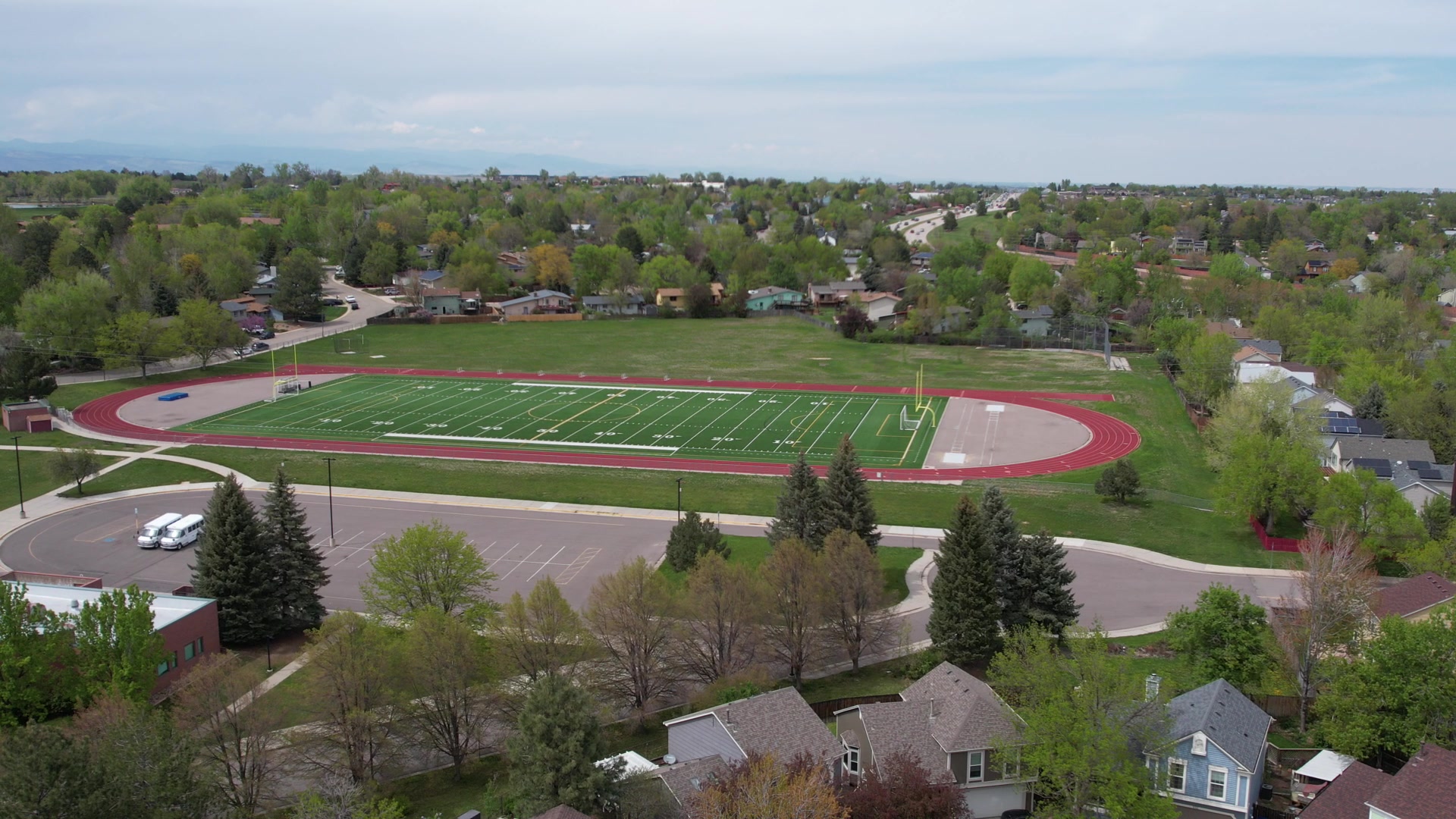

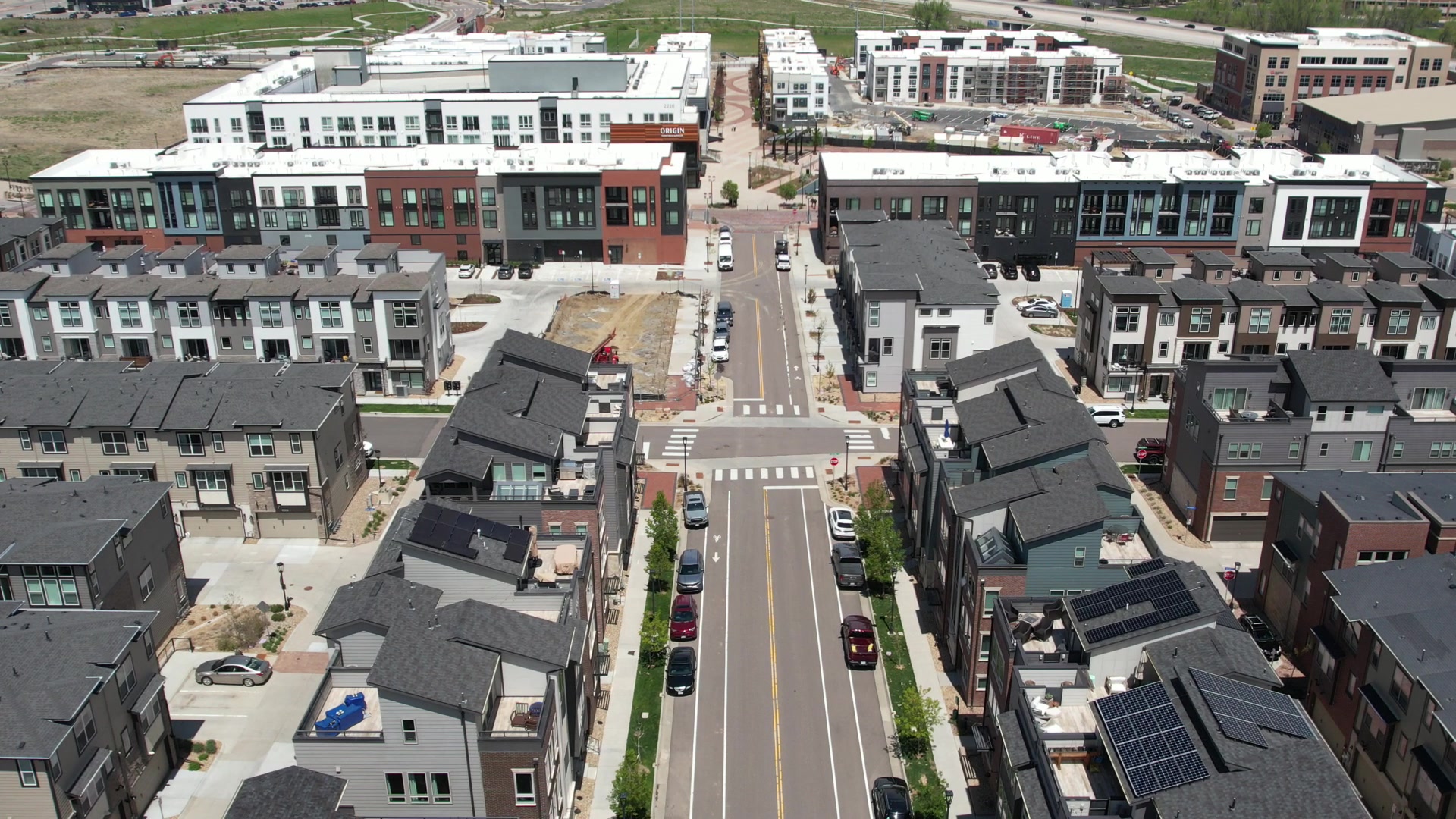

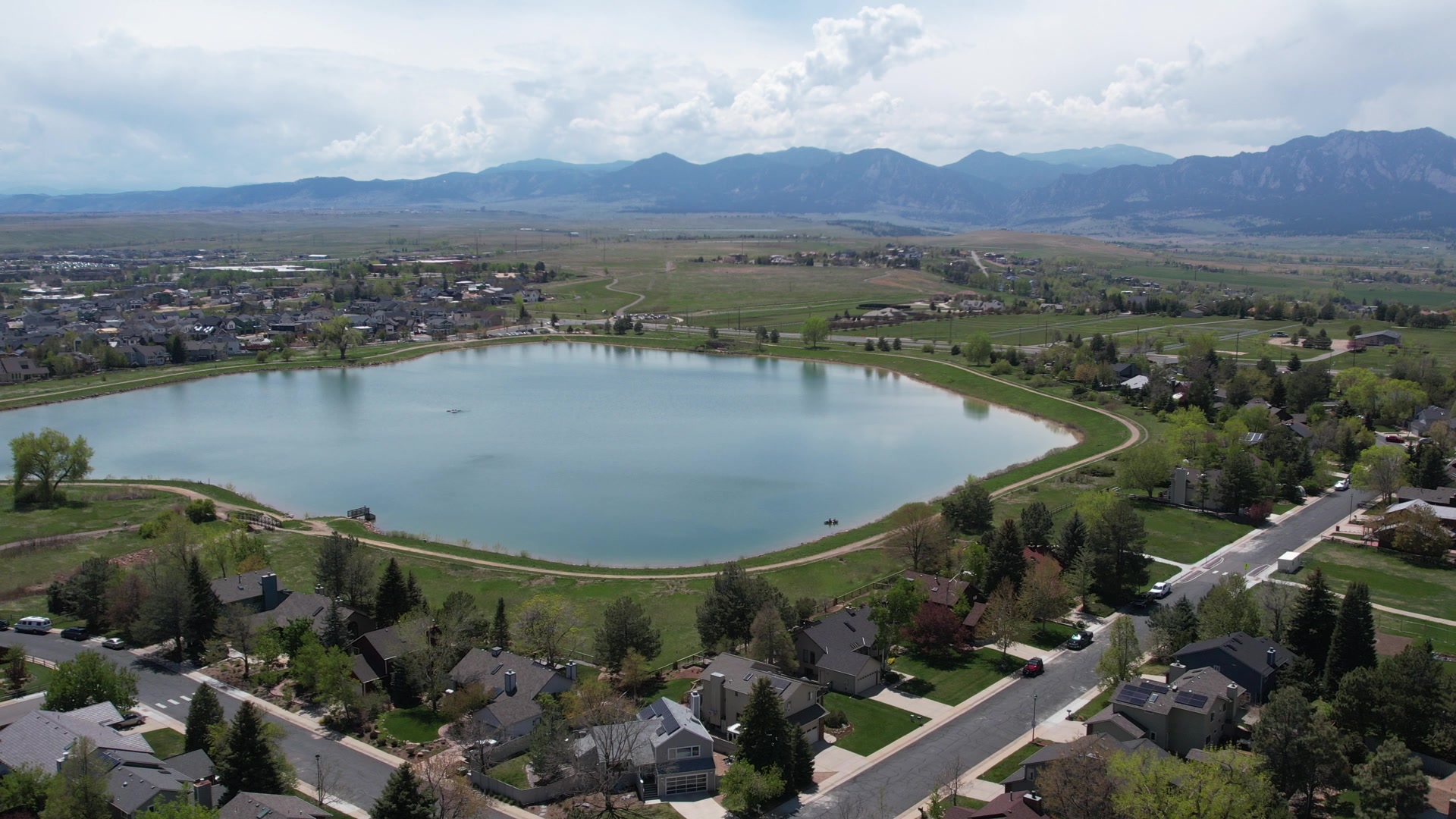
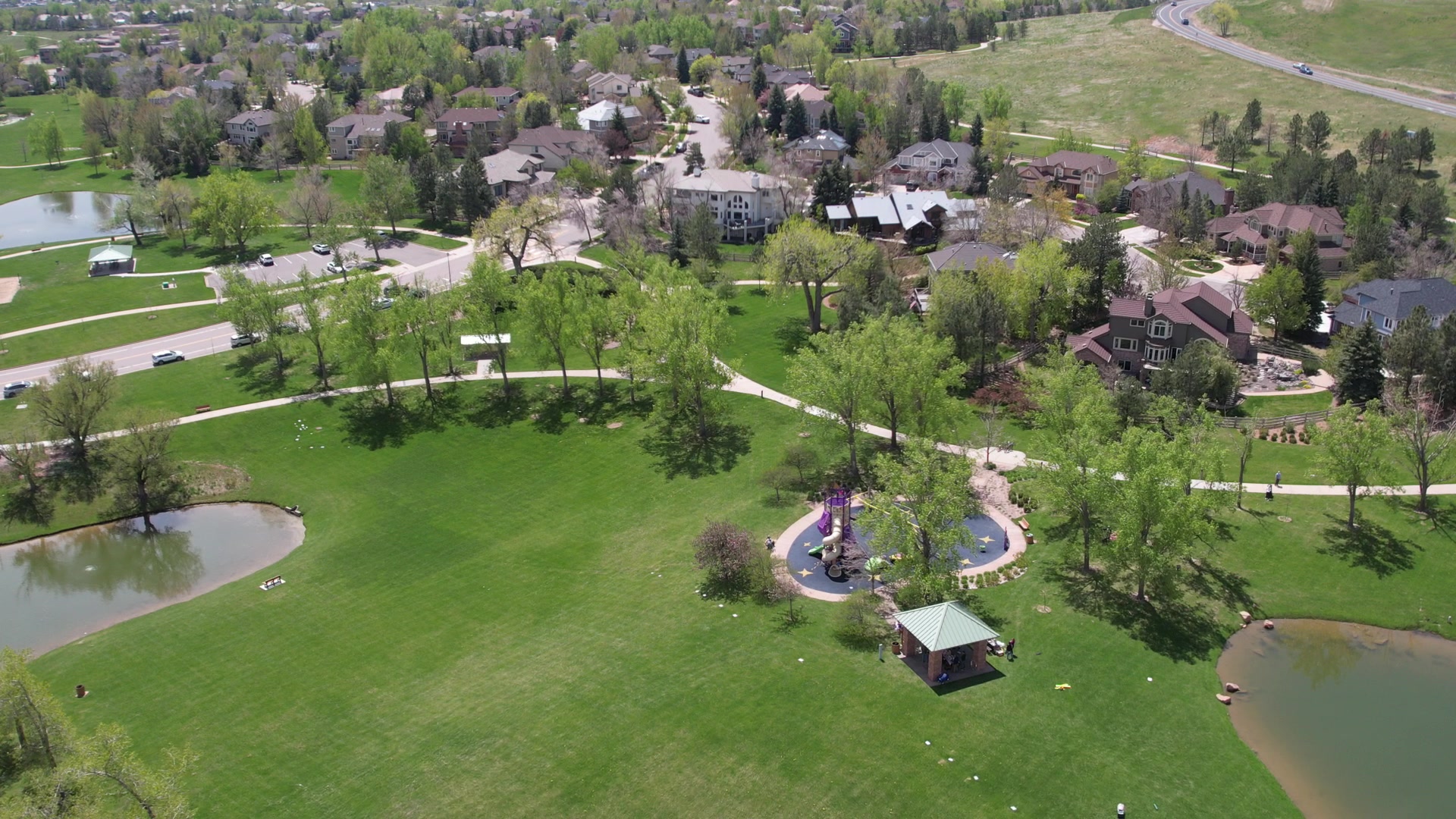
Watch the videos
Help shape what Jimmy films next
Which town should Jimmy cover next, and what do you still want to know? Tell us, and we'll email you when the guide and video are out.
Thank you — this genuinely helps. We'll let you know when it's ready.
Frequently asked questions
Are Louisville, Superior and Lafayette part of Boulder?
No. They are three separate municipalities in Boulder County, southeast of Boulder along US 36 and US 287, each with its own government. They share Boulder County property tax administration and the Boulder Valley School District.
What school district are Louisville, Superior and Lafayette in?
Boulder Valley School District serves all three towns. St. Vrain Valley serves neighboring Erie and parts of Broomfield. Parts of the 80026 ZIP code cross into Erie, so confirm the school district for the exact address with the BVSD School Finder and St. Vrain's boundary maps.
Is there light rail in Louisville, Superior or Lafayette?
No. The Flatiron Flyer bus rapid transit stops at US 36 & McCaslin, between Superior and Louisville, on its way between Union Station and Boulder. Lafayette is served by RTD local and regional buses, including the 228, DASH, JUMP and LD routes, with a Park-n-Ride on South Public Road.
What happened in the Marshall Fire, and are the homes rebuilt?
The Marshall Fire started December 30, 2021 near Marshall Road and Highway 93 and, driven by winds gusting over 100 mph, destroyed more than 1,000 homes in Louisville, Superior and unincorporated Boulder County and killed two people. Investigators found two ignition sources, a smoldering debris fire on a Twelve Tribes property and, most probably, an Xcel Energy power line; Xcel and two telecom companies agreed to a $640 million settlement in September 2025 without admitting fault. About 70% of destroyed homes in Louisville and Superior were rebuilt by the end of 2024, and as of August 2026 Louisville reported 532 of 550 rebuilt or in process.
Which is most affordable: Louisville, Superior or Lafayette?
Generally Lafayette, then Superior, then Louisville, though the spread depends on the specific neighborhood and the age of the home. Louisville is priced closest to Boulder; Superior and Lafayette generally sit between Denver and Boulder. Check current sales on the Boulder County Assessor's site rather than relying on any figure in a guide.
Does Superior have a downtown?
It does now. Downtown Superior, at US 36 and McCaslin Boulevard, is a master-planned district with flats and townhomes, restaurants and shops, a central plaza and a town Civic Space that opened in 2025. A 251-unit apartment building and a Hyatt Studios hotel are scheduled to finish in spring 2027 (as of March 2026).
How far are these towns from Denver and Boulder?
Louisville is about 9 miles from Boulder and 22 from downtown Denver; Superior is about 8 miles from Boulder and 20 from Denver; Lafayette is a few miles farther east. Off-peak, Boulder is roughly 15 minutes and Denver 25 to 30. At rush hour, plan for real traffic on US 36.
Take this guide with you
Get the printable PDF version to read offline, share with your family or mark up on your scouting trip. Enter your name and email and it's yours.
Thanks! Your guide is ready.
Download the PDFNo spam. Jimmy may follow up personally to see if you have questions about the move.
Sources
Guide reviewed October 24, 2026, and reviewed again twice a year.
- Louisville, Colorado (population, history, Marshall Fire losses, downtown events)
- Superior, Colorado (population, Rock Creek, Original Town, Marshall Fire losses, parks, Downtown Superior)
- Lafayette, Colorado (population, founding, Waneka Lake Park, Centaurus, events)
- Marshall Fire (date, acreage, structures, winds, cause findings)
- CPR: Xcel Energy reaches $640 million Marshall Fire settlement (Sept. 2025)
- Boulder Reporting Lab: Marshall Fire recovery three years on (Dec. 2024)
- City of Louisville: Marshall Fire Rebuilding (status as of Aug. 2026)
- Boulder County: Marshall Fire destroyed structures list, updated May 2025
- Colorado AvidGolfer: Coal Creek Golf Course neighborhood among victims of Marshall Fire (Jan. 2022)
- KUNC: Colorado's property insurer of last resort is now covering more than two dozen families (July 2025)
- CBS Colorado: Superior HOA non-renewed after Marshall Fire, no quotes from 40+ insurers (March 2023)
- Boulder County Assessor's Office
- City of Louisville: Parks, Recreation and Open Space (parks, open space acres, trail miles, rec center)
- City of Louisville: Open Space Division
- City of Louisville: Dog Off-Leash Areas (Davidson Mesa dog park)
- City of Louisville: About Louisville (distances, open space, parks)
- City of Louisville: Community Profile (largest employers, drive times)
- Town of Superior: Parks, Trails and Open Space
- Town of Superior: Downtown Superior News, March 2026 (construction status, proposed Coal Creek Innovation Park)
- Superior Business: Downtown Superior (units, retail, campus, Route 228)
- Superior Business: Superior statistics (population, distances)
- Town of Superior homepage (Marshall Fire five-year event, Dec. 2026)
- City of Lafayette: Recreation (Bob L. Burger Recreation Center)
- City of Lafayette homepage (Coal Creek Trail, address on Public Road)
- Yellow Scene: Lafayette Art Night Out 2026 dates
- Westword: Lafayette Peach Festival
- Boulder County: Coal Creek Trail
- Hiking Project: Davidson Mesa Loop
- Boulder Valley School District (communities served, high schools)
- BVSD: Our Schools
- BVSD: Enrollment and K-12 School Finder
- BVSD: Choice Enrollment FAQ (lottery dates and rules)
- St. Vrain Valley Schools: District Overview (communities served)
- St. Vrain Valley Schools: Maps and Boundaries
- Century Communities: Parkdale Commons, Lafayette 80026 address in Erie, BVSD schools
- RTD: Flatiron Flyer (stations including US 36 & McCaslin)
- RTD: A Line (Union Station to Denver International Airport)
- RTD: Route 228 schedule, effective Sept. 27, 2026
- RTD: Route DASH schedule, effective Sept. 27, 2026
- RTD: Route JUMP schedule, effective Sept. 27, 2026
- RTD: Route LD3 schedule (Lafayette Park-n-Ride and Public Road stops)
- Boulder County: Ride the L / LD and LX regional routes
- RTD May 2025 northern service changes (routes 225, 228, DASH)
- RTD: Final September 2026 service changes
- AdventHealth Avista (formerly Avista Adventist Hospital), Louisville
- Colorado Hospital Association: Intermountain Health Good Samaritan Hospital, Lafayette
- Boulder, Colorado (largest employers)
- Broomfield, Colorado (largest employers)
- Destination Denver Colorado: Moving to Superior, Lafayette, Louisville and Erie | 4 of Colorado's Best Towns! (Aug. 2025)
- Destination Denver Colorado: Let's Explore Louisville, Lafayette, and Superior Colorado (June 2024)
Photo credits
- Photos: Jimmy Everetts / Destination Denver Colorado.
Thinking about moving here?
Ask Jimmy anything about the area, the neighborhoods or the move itself. No pressure, just straight answers from a local.


